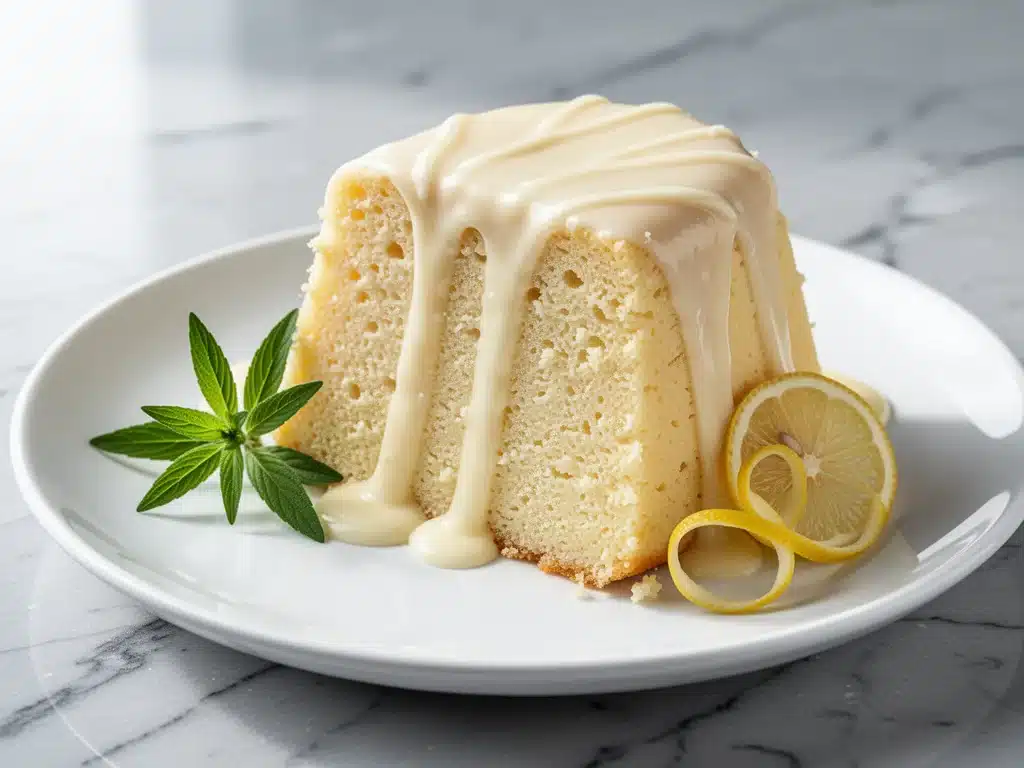
Last Tuesday, I was staring into the open fridge, feeling that specific kind of hunger that hits right after 7 PM. I had a block of ricotta that was about to expire, a bag of lemons that were looking a little shriveled, and absolutely zero motivation to order takeout. I didn’t want to make a savory dish. I wanted something sweet, something that smelled like sunshine, but something that wouldn’t require a trip to the store.
So I threw together what I thought would be a mediocre lemon cake. I was going for something light, maybe a bit dry, just a quick fix for my sugar craving. But then I added the ricotta. And the vanilla glaze. And suddenly, my kitchen smelled like a high-end Italian bakery, but it took less time than I’d spend scrolling through delivery apps.
I took a bite while standing over the sink, waiting for the oven timer. It was moist. Incredibly moist. But not heavy. The lemon cut through the richness of the cheese, and the vanilla glaze tied it all together in the most perfect way. I ate the whole first slice before it even cooled down. My husband walked in, saw the empty plate, and asked if I’d bought this from that nice bakery downtown. I had to admit I made it in 20 minutes with three main ingredients.
That was six months ago. Since then, I’ve made this lemon ricotta pound cake with vanilla glaze at least twelve times. I’ve made it for book clubs, for random Tuesday treat days, and just because I wanted to feel fancy without the effort. It’s become my secret weapon for any occasion where I want to look like I put in way more effort than I actually did. If you’re tired of dense, dry cakes and want something that melts in your mouth, you need to try this. It’s the kind of recipe you’ll make on repeat, I promise.
Why You’ll Love This Lemon Ricotta Pound Cake
There are about ten reasons I keep making this, but here are the big ones. This isn’t just another lemon cake; it’s a texture game-changer. Here’s why it’s earned a permanent spot in my rotation:
- Stupid Simple — Seriously, if you can mix batter and squeeze a lemon, you can make this. I’ve made this with one hand while holding my toddler with the other. It’s a one-bowl wonder. No fancy stand mixer needed.
- Lightning Fast — 20 minutes from start to finish, including baking time. I make this on weeknights when I need a dessert that doesn’t require overnight chilling or complex layering. It’s ready before the ice cream melts.
- Surprisingly Moist — Ricotta is the secret ingredient. It adds protein and fat without the heaviness of butter or oil. The result is a crumb that is tender, airy, and stays fresh for days. I’ve never had a slice turn out dry.
- Budget-Friendly — You probably have most of these ingredients already. Ricotta is cheap, lemons are accessible, and vanilla glaze is basically powdered sugar and milk. It’s cheaper than a slice of cake at a cafe and tastes way better.
- Make-Ahead Friendly — This cake actually tastes better the next day. The flavors meld together overnight. I often make it in the morning for a dinner party that night, and it holds up perfectly at room temperature.
This is my go-to when I need a dessert to just work. No complicated techniques, no weird ingredients, just reliable, delicious food that makes everyone happy. It’s the perfect companion to a cup of coffee or tea, and honestly, it’s better than my small batch vanilla bean birthday cake for casual snacking because it’s less sweet and more zesty.
Ingredients You’ll Need
Here’s the best part: you probably have most of this already. This looks like a short list, but the quality of these few ingredients matters. I’m particular about three things here, and I’ll tell you exactly why.
For the Cake
Ricotta cheese (15 ounces / 425g) — This is the star. Use whole milk ricotta, not low-fat. The fat content is what makes the cake tender. If you can find fresh, drained ricotta, even better. If it’s watery, drain it in a cheesecloth for 10 minutes first. I always buy the tub, not the container, because the tub version is usually creamier.
Eggs (3 large) — Room temperature eggs are crucial for baking. They help the batter emulsify and rise properly. If I forget, I run them under warm water for a minute. Don’t use cold eggs straight from the fridge.
Granulated sugar (1 cup / 200g) — Don’t skimp on the sugar. It’s not just for sweetness; it helps tenderize the crumb. I use standard white sugar, but you could try half brown sugar for a deeper flavor, though it changes the color.
All-purpose flour (1 cup / 125g) — Just standard flour. No need for cake flour. Spoon it into the measuring cup and level it off. Don’t scoop and pack, or your cake will be dense.
Baking powder (1 teaspoon) — Make sure it’s fresh. If your baking powder is older than 6 months, buy a new tin. It’s the only leavening agent here, so it needs to work.
Lemon zest (2 tablespoons) — Use organic lemons if you can, since you’re eating the peel. I use a microplane for the finest zest. You want just the yellow part, not the white pith, which is bitter.
Lemon juice (2 tablespoons / 30ml) — Freshly squeezed is non-negotiable. Bottled lemon juice tastes metallic and flat. Squeeze two lemons and strain out the pulp.
Vanilla extract (1 teaspoon) — Pure vanilla extract, not imitation. It adds warmth and depth to the lemon flavor.
For the Vanilla Glaze
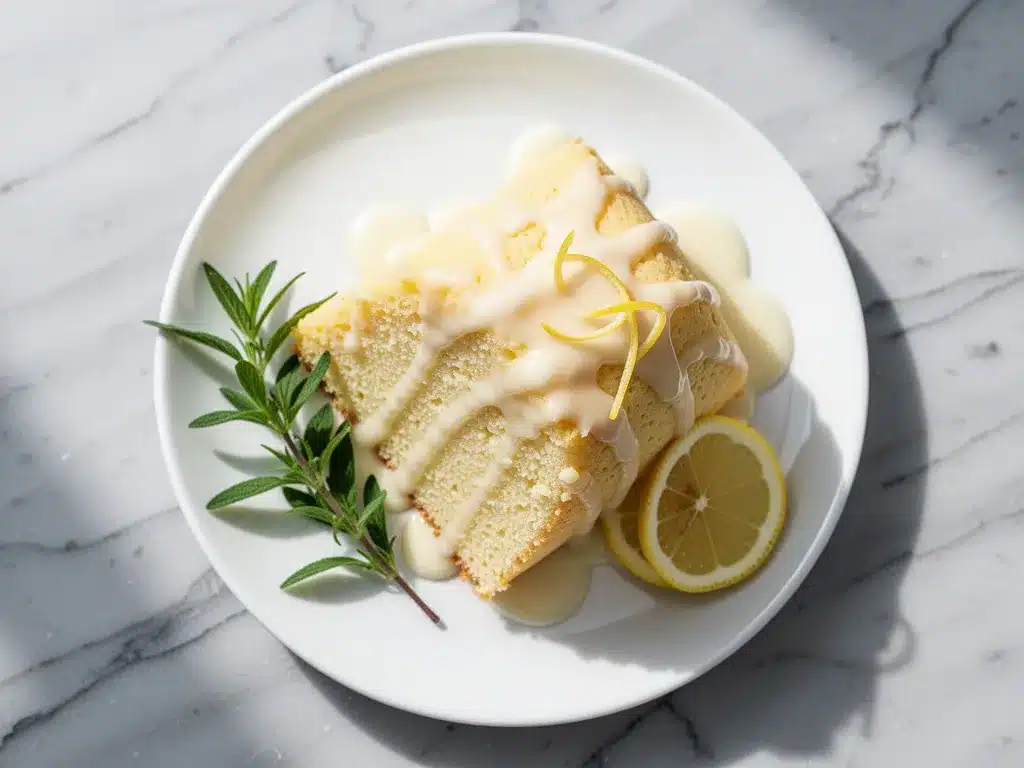
Confectioners’ sugar (1 cup / 120g) — Sifted. This prevents lumps in your glaze. If you don’t sift it, you’ll get gritty patches in your cake.
Milk (2-3 tablespoons / 30-45ml) — Whole milk works best for richness, but any milk will do. Add slowly to get the right consistency.
Vanilla extract (½ teaspoon) — A little extra vanilla in the glaze makes it aromatic and delicious.
Pinch of salt — Enhances the lemon flavor. Don’t skip it.
Equipment Needed
You don’t need fancy equipment for this. Here’s what I actually use.
9×5 inch loaf pan — This is the classic shape for pound cake. I use a metal pan, but glass or ceramic works too. If you use glass, lower the oven temperature by 25°F because it retains heat differently.
Mixing bowls — Two bowls. One for wet ingredients, one for dry. Or just one big one if you’re lazy (which I often am).
Whisk — For beating the eggs and sugar. A wire whisk is best for incorporating air.
Rubber spatula — For folding in the flour. You want to be gentle to keep the cake light.
Zester or microplane — For the lemon zest. A regular grater works, but a microplane gives you finer zest that distributes better.
Cooling rack — Essential for cooling the cake so it doesn’t get soggy from trapped steam.
How to Make It: Step-by-Step
Alright, let’s make this! I’m walking you through exactly how I do it, including the little tricks I’ve picked up over the years.
Step 1: Prep Your Oven and Pan (5 minutes)
Preheat your oven to 350°F (175°C). Grease your 9×5 inch loaf pan with butter or non-stick spray. I like to line the bottom with parchment paper for easy removal, but it’s not strictly necessary if you grease it well. This step is quick, but don’t skip it, or you’ll struggle to get the cake out.
Step 2: Mix the Wet Ingredients (3 minutes)
In a large bowl, whisk the eggs, sugar, ricotta cheese, lemon zest, lemon juice, and vanilla extract together. Whisk vigorously for about a minute. You want the sugar to dissolve slightly and the mixture to look smooth and pale. This step is important because it helps break up the ricotta curds, ensuring a smooth batter. Don’t worry if it looks a little lumpy at first; it will come together.
Step 3: Add the Dry Ingredients (2 minutes)
Stir in the flour and baking powder. Use a rubber spatula and fold gently. Mix just until the flour disappears. Overmixing is the enemy of a tender cake. Once you see no more streaks of white flour, stop. The batter will be thick and creamy.
Step 4: Bake the Cake (40-45 minutes)
Pour the batter into the prepared loaf pan and smooth the top. Bake in the preheated oven for 40-45 minutes. The cake is done when the top is golden brown, the edges pull away slightly from the pan, and a toothpick inserted into the center comes out clean or with just a few moist crumbs. Don’t open the oven door too early, or the cake might collapse. I usually check it at 40 minutes.
Step 5: Cool Completely (30 minutes)
Let the cake cool in the pan for 10 minutes, then transfer it to a wire rack to cool completely. This is crucial. If you try to glaze a warm cake, the glaze will melt and soak in, leaving you with a sticky mess. Patience pays off here.
Step 6: Make the Vanilla Glaze (5 minutes)
While the cake cools, whisk together the confectioners’ sugar, vanilla extract, salt, and milk in a small bowl. Start with 2 tablespoons of milk and add more if needed. You want a thick but pourable consistency. It should drizzle slowly off the spoon, not run like water.
Step 7: Glaze and Serve
Once the cake is completely cool, drizzle the glaze over the top. Let it drip down the sides. You can sprinkle a little extra lemon zest on top for garnish. Slice and enjoy. It pairs beautifully with a hot cup of coffee, or even alongside a slice of classic New York-style cheesecake if you’re hosting a dessert party and want variety.
Expert Tips & Tricks
Here’s everything I’ve learned from making this dozens of times. These tips will save you from my mistakes.
Drain Your Ricotta
Ricotta can be watery. If your ricotta is very wet, drain it in a fine-mesh sieve or cheesecloth for 15 minutes before using. This prevents a soggy cake. I learned this the hard way with my second batch. The first one was perfect; the second one was dense. The difference was the water content.
Don’t Overmix the Batter
Once you add the flour, mix gently. Overmixing develops gluten, which makes the cake tough. You want a tender, crumbly texture, not a chewy bread texture. Fold until just combined.
Room Temperature Ingredients
Cold eggs and ricotta can cause the batter to curdle. Let them sit on the counter for 30 minutes before baking. This ensures a smooth, homogeneous batter.
Toothpick Test
The toothpick test is your best friend. Insert it into the thickest part of the cake. If it comes out with wet batter, bake for 5 more minutes. If it comes out clean, it’s done. If it comes out with a few moist crumbs, it’s perfect.
Glaze Consistency
The glaze should be thick enough to coat the back of a spoon but thin enough to drizzle. If it’s too thick, add milk a teaspoon at a time. If it’s too thin, add more powdered sugar.
Storage
Store the glazed cake in an airtight container at room temperature for up to 3 days. It actually tastes better on day 2 as the flavors meld. You can also freeze the unglazed cake for up to 3 months. Thaw overnight and glaze when ready to serve.
Variations & Substitutions
Once you’ve nailed the basic version, here’s how you can mix it up. I’ve tried all of these.
Blueberry Lemon
Fold 1 cup of fresh or frozen blueberries into the batter before baking. The berries burst during baking, creating beautiful purple swirls. This is my favorite variation for spring.
Orange Ricotta
Swap the lemon zest and juice for orange. Orange and ricotta are a classic combination in Italian baking. It’s sweeter and less tart than lemon.
Raspberry Glaze
Instead of vanilla glaze, make a raspberry glaze by whisking ½ cup of raspberry jam with 1 tablespoon of lemon juice and 1 cup of powdered sugar. It’s tart and beautiful.
Gluten-Free
Use a 1:1 gluten-free flour blend. The texture will be slightly different, but it still works well. I’ve used Bob’s Red Mill 1:1 blend with good results.
Dairy-Free
Replace ricotta with a dairy-free ricotta alternative (like those made from almonds or tofu) and use coconut milk in the glaze. It’s not exactly the same, but it’s still delicious.
Serving & Storage
How to Serve
I usually serve this straight from the plate at the dinner table. It looks rustic and stays warm. But here are other ways I’ve enjoyed it:
Side Dishes
– A simple green salad with a lemon vinaigrette (to balance the sweetness)
– Roasted asparagus or green beans
– A scoop of vanilla ice cream (for extra indulgence)
Wine Pairing
Not a wine expert, but my wine-snob friend says a crisp Pinot Grigio or a Moscato d’Asti works great with this cake. The sweetness of the wine complements the glaze.
Storage Instructions
Refrigerator:
Store in an airtight container for up to 4 days. The ricotta keeps it moist, but refrigeration can dry it out slightly. Bring it to room temperature before serving.
Freezing:
You can freeze the unglazed cake for up to 3 months. Wrap it tightly in plastic wrap and then in aluminum foil. Thaw overnight in the fridge, then glaze when ready to serve. Do not freeze the glazed cake, as the glaze will become sticky and lose its texture.
Reheating:
This cake is best at room temperature. If you want it warm, microwave a slice for 10-15 seconds. Don’t overheat it, or the ricotta will separate.
Nutrition Information
I’m not a nutritionist, but here’s the breakdown if you’re tracking. This is per slice (1/10th of the loaf).
| Nutrient | Amount |
|---|---|
| Calories | 220 |
| Protein | 6g |
| Carbs | 35g |
| Fat | 8g |
| Sugar | 22g |
| Fiber | 0g |
What’s Good: Decent protein from the ricotta. It’s lighter than a traditional pound cake because it doesn’t use butter. What to Know: Higher in sugar from the glaze and cake batter. Contains dairy and gluten. It’s a treat, so enjoy it in moderation.
Final Thoughts
So that’s my go-to lemon ricotta pound cake with vanilla glaze! I’ve probably talked your ear off at this point, but when you make a recipe this often, you have a lot to say about it. This has saved weeknight dessert plans more times than I can count. It’s my answer to “what’s for dessert” when I’m tired, don’t want to bake a complicated multi-layer cake, and still want something that tastes really good.
Make it yours! Try different fruit additions, swap the vanilla glaze for a lemon glaze, or add a streusel topping. The best recipes are the ones you adapt to your family’s tastes. If you make this, drop a comment and let me know what you think! I love hearing how recipes turn out in your kitchen. And if something doesn’t work, tell me that too—I’m here to help troubleshoot.
Happy baking! And I hope your kitchen smells half as good as mine does right now.
Frequently Asked Questions
Can I use low-fat ricotta?
You can, but the cake will be less moist and slightly denser. The fat in whole milk ricotta is what gives the cake its tender crumb. If you must use low-fat, drain it well to remove excess moisture, but I recommend sticking with whole milk for the best results.
Why did my cake turn out dry?
Overbaking is the most common cause. Check the cake at 40 minutes. If the toothpick comes out clean, it’s done. Also, make sure you’re not using too much flour. Spoon and level your flour, don’t scoop and pack. And ensure your ricotta wasn’t too watery; drain it if necessary.
Can I make this ahead for a party?
Yes! This cake is perfect for making ahead. Bake it the day before, let it cool completely, and store it in an airtight container. Glaze it the morning of the party. It holds up beautifully at room temperature for up to 3 days.
Can I use bottled lemon juice?
I strongly recommend against it. Bottled lemon juice has a metallic, flat taste that doesn’t compare to fresh-squeezed. The fresh juice is essential for the bright, zesty flavor that defines this cake. It’s worth the 30 seconds it takes to squeeze two lemons.
How do I store leftover cake?
Store leftovers in an airtight container at room temperature for up to 3 days. If your kitchen is very hot or humid, you can refrigerate it, but bring it to room temperature before serving for the best texture and flavor.
Can I freeze this cake?
Yes, but freeze it unglazed. Wrap the cooled cake tightly in plastic wrap and then in aluminum foil. It will keep for up to 3 months. Thaw overnight in the fridge, then glaze when ready to serve. The glaze does not freeze well.
What if I don’t have a loaf pan?
You can bake this in a 9-inch round cake pan. Reduce the baking time to 30-35 minutes. Check for doneness with a toothpick. The cooking time will vary depending on the depth of your pan, so keep an eye on it.
Pin This Recipe!

Lemon Ricotta Pound Cake: 3-Ingredient Easy Recipe
- Total Time: 60 minutes
- Yield: 10 servings 1x
Description
A moist, tender, and light lemon ricotta pound cake with a vanilla glaze. This easy one-bowl dessert is ready in 20 minutes and uses simple ingredients like ricotta, lemons, and sugar.
Ingredients
- 15 ounces whole milk ricotta cheese
- 3 large eggs, room temperature
- 1 cup granulated sugar
- 1 cup all-purpose flour
- 1 teaspoon baking powder
- 2 tablespoons lemon zest
- 2 tablespoons fresh lemon juice
- 1 teaspoon pure vanilla extract
- 1 cup confectioners’ sugar (for glaze)
- 2–3 tablespoons whole milk (for glaze)
- 1/2 teaspoon vanilla extract (for glaze)
- Pinch of salt (for glaze)
Instructions
- Preheat oven to 350°F (175°C). Grease a 9×5 inch loaf pan with butter or non-stick spray and line the bottom with parchment paper.
- In a large bowl, whisk together the eggs, sugar, ricotta cheese, lemon zest, lemon juice, and vanilla extract vigorously for about a minute until smooth and pale.
- Stir in the flour and baking powder using a rubber spatula. Fold gently just until the flour disappears; do not overmix.
- Pour the batter into the prepared loaf pan and smooth the top.
- Bake for 40-45 minutes, or until the top is golden brown, edges pull away from the pan, and a toothpick inserted into the center comes out clean.
- Let the cake cool in the pan for 10 minutes, then transfer to a wire rack to cool completely.
- While the cake cools, whisk together confectioners’ sugar, vanilla extract, salt, and milk to make the glaze. Adjust milk for desired consistency.
- Once the cake is completely cool, drizzle the glaze over the top and let it drip down the sides. Garnish with extra lemon zest if desired.
Notes
Use whole milk ricotta for best texture. Drain watery ricotta in cheesecloth for 10 minutes before using. Ensure ingredients are at room temperature. Do not overmix the batter after adding flour. The cake tastes better the next day as flavors meld. Store in an airtight container at room temperature for up to 3 days. Can be frozen unglazed for up to 3 months.
- Prep Time: 15 minutes
- Cook Time: 45 minutes
- Category: Dessert
- Cuisine: Italian
Nutrition
- Serving Size: 1 slice (1/10th of t
- Calories: 220
- Sugar: 22
- Sodium: 150
- Fat: 8
- Saturated Fat: 4
- Carbohydrates: 35
- Protein: 6
Keywords: lemon ricotta pound cake, easy dessert, one bowl cake, vanilla glaze, quick baking, gluten-free option, dairy-free option