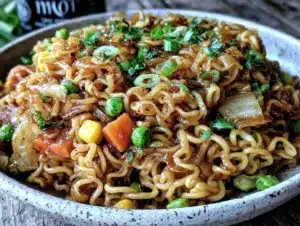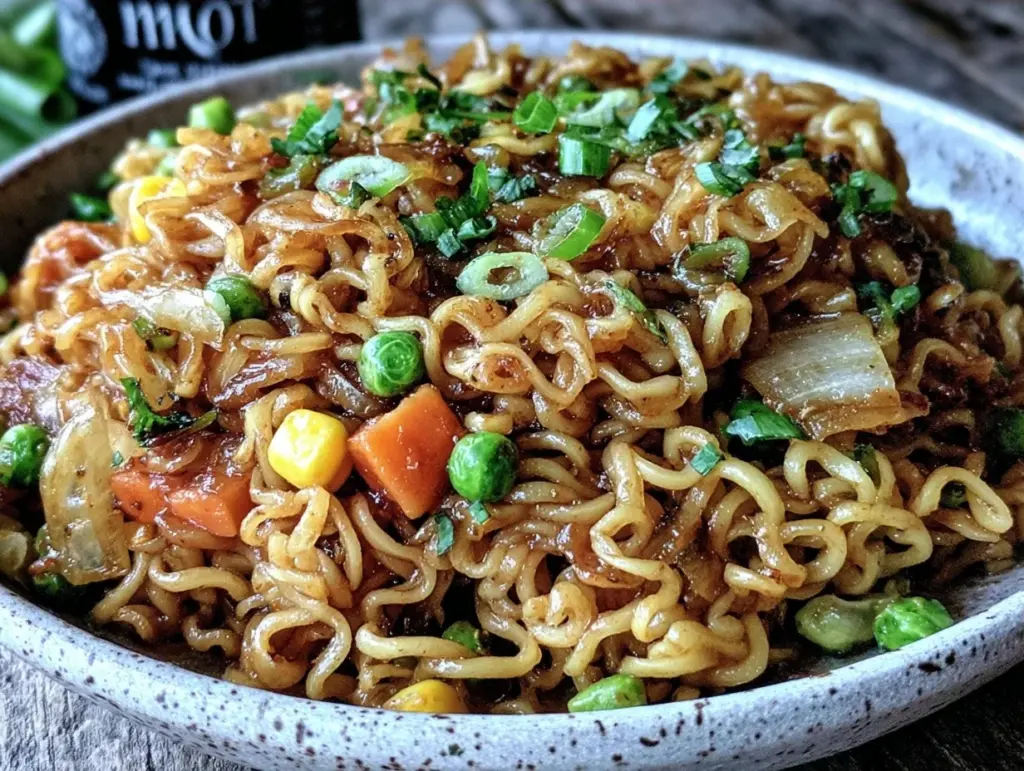
It was 5:15 PM on a Tuesday, and I was staring into the abyss of my pantry. Not the “oh, I need to buy milk” abyss. The “I have three cans of beans, a bag of rice that might be older than my car, and a single lonely lemon” abyss. My bank account was currently hovering in the “danger zone” (read: I have $12.50 left until payday), and my energy levels were at a critical low. I did not have the mental bandwidth to meal prep, and I definitely didn’t have the patience to chop vegetables for a stir-fry that would take 45 minutes.
So, I did what any tired, broke adult does. I reached for a pack of instant ramen noodles. But not just plain, boiled ramen. I turned it into a budget-friendly college ramen stir-fry with frozen vegetables that actually tastes like a real dinner. And yes, it still took less than 15 minutes.
I know what you’re thinking. “Ramen stir-fry? That’s just… noodles.” But hear me out. I’ve tested this budget-friendly college ramen stir-fry at least a dozen times over the last year. It started as a desperate hack, but it’s become my go-to rescue plan when life gets chaotic. It’s savory, it’s filling, and it uses ingredients I actually keep in the house because they’re cheap and don’t spoil. If you’re looking for a quick weeknight win that doesn’t involve takeout prices or a sink full of dishes, this is it.
Why You’ll Love This Ramen Stir-Fry
There are about ten reasons I keep coming back to this recipe, but let’s be real—most of them boil down to laziness and frugality. Here’s the breakdown:
Stupidly Cheap — Seriously. A pack of ramen is usually under $1. Frozen veggies cost pennies compared to fresh. You can make this entire meal for under $3 per serving. That’s less than a single coffee at a chain shop.
Lightning Fast — We’re talking 15 minutes from start to finish. I’ve made this while helping my kids with homework, while the dog was barking at the mailman, and while I was literally crying over a work email. It doesn’t care about your stress. It just works.
Zero Prep Work — This is the biggest selling point. You don’t need to chop anything. You open a bag of frozen broccoli, you crack an egg, you dump it in a pan. If you can open a package, you can make this. I’ve walked my teenage nephew through it over FaceTime, and he didn’t burn the kitchen down.
One-Pan Cleanup — This is crucial. I hate doing dishes. This recipe requires exactly one skillet and one bowl for mixing the sauce. One pan. One bowl. That’s it. If you’re counting your hours until you can collapse on the couch, this is the recipe for you.
Customizable to Hell — Got leftover rotisserie chicken? Throw it in. Have some spicy sausage? Slice it up. Want to go fully vegan? Skip the egg and use tofu. This budget-friendly college ramen stir-fry adapts to whatever is rotting in your fridge. It’s the ultimate clean-out-the-fridge meal.
Makes Amazing Leftovers — It’s not like some soups where leftovers get weird. The noodles soak up the sauce overnight and get even better the next day. I deliberately make extra for lunch. It reheats perfectly in the microwave and tastes like a fancy noodle bowl from a restaurant.
This is my answer to “what’s for dinner” when I’m tired, broke, and just want something hot and delicious. No complicated techniques, no weird ingredients, just reliable food that makes everyone happy.
Ingredients You’ll Need
Here’s the best part: you probably have 90% of this already. I’m being serious. This isn’t a recipe that requires a trip to a specialty store.
Ramen Noodles (2 packs / 210g) — I use the standard instant ramen packets. The kind with the flavor cube. I usually go with the Beef or Chicken flavor, but Spicy Ma Po Tofu works if you like heat. Don’t use the “healthy” baked noodles; they don’t cook right in this stir-fry. I like Maruchan or Top Ramen because they’re cheap and everywhere.
Frozen Mixed Vegetables (2 cups / 200g) — This is the secret weapon. Frozen peas, carrots, corn, and green beans. I buy the generic brand from the dollar store or the big box store. It saves so much time because they’re already chopped. You can use fresh veggies if you want, but you’ll need to chop them, and we’re trying to save time here. Frozen veggies cook faster and don’t spoil.
Eggs (2 large) — Scrambled into the pan. This adds protein so you’re not just eating carbs. If you’re vegan, skip this or use tofu. But honestly, the egg makes it feel like a complete meal.
Soy Sauce (3 tablespoons / 45ml) — I use low-sodium soy sauce because the ramen packet already has a ton of salt. If you use regular soy sauce, you might want to skip the flavor packet entirely. Tamari works if you need gluten-free.
Sesame Oil (1 teaspoon / 5ml) — This is non-negotiable. It gives that nutty, restaurant-style aroma. If you don’t have it, you can skip it, but it really elevates the dish. I have a bottle that’s been in my cabinet for three years. It’s worth it.
Garlic Powder (1 teaspoon / 2g) — Because I’m too lazy to mince fresh garlic at 6 PM. If you have fresh garlic, use two cloves, minced. But powder is faster and tastes fine here.
Red Pepper Flakes (½ teaspoon) — Optional, but I always add a pinch. It adds a little kick without making it spicy-hot. If you’re sensitive to spice, skip it.
Green Onions (2 stalks, sliced) — For garnish. If you don’t have green onions, regular onion works, or just skip it. It’s for the color and the fresh bite at the end.
Optional Add-ins:
– Leftover Chicken (1 cup, diced) — Rotisserie chicken is perfect. Add it in the last minute to heat through.
– Sausage (½ cup, sliced) — Andouille or kielbasa works great. Cook it first, then remove, then add back in.
– Cheese (2 tablespoons, shredded) — Cheddar or mozzarella melted on top. Sounds weird, tastes amazing.
Shopping Tip: I buy frozen veggies in bulk when they’re on sale. Keep them in the freezer at all times. If you don’t have frozen veggies on hand, this recipe loses its “easy” factor. Also, check your pantry for soy sauce and sesame oil. If you’re out, grab a small bottle of sesame oil—it lasts forever and makes everything taste better.
Equipment Needed
You don’t need fancy equipment for this. Here’s what I actually use.
Large Skillet or Wok — I use a 12-inch non-stick skillet. It needs to be big enough to toss the noodles without them sticking out the sides. A wok is ideal if you have one, but a skillet works fine. I prefer non-stick because cleanup is easier.
Spatula — A silicone or wooden spatula. Metal works too, but be careful with non-stick pans. I use a spatula with a curved edge because it scrapes the pan better.
Small Bowl — For mixing the sauce. Just a regular ramekin or small mixing bowl. I keep a stack of these in the sink for quick sauce mixes.
Measuring Spoons — Standard stuff. Dollar store versions work fine. You only need a tablespoon and a teaspoon.
Colander (Optional) — If you prefer to drain the noodles after boiling, you need a colander. But I usually just drain them in the skillet, so it’s not strictly necessary.
Tool Tip: Don’t have a large skillet? Use two pans. Or just use whatever pot you have and be careful not to overcrowd it. Overcrowding steams the noodles instead of frying them. You want them slightly crispy.
How to Make It: Step-by-Step
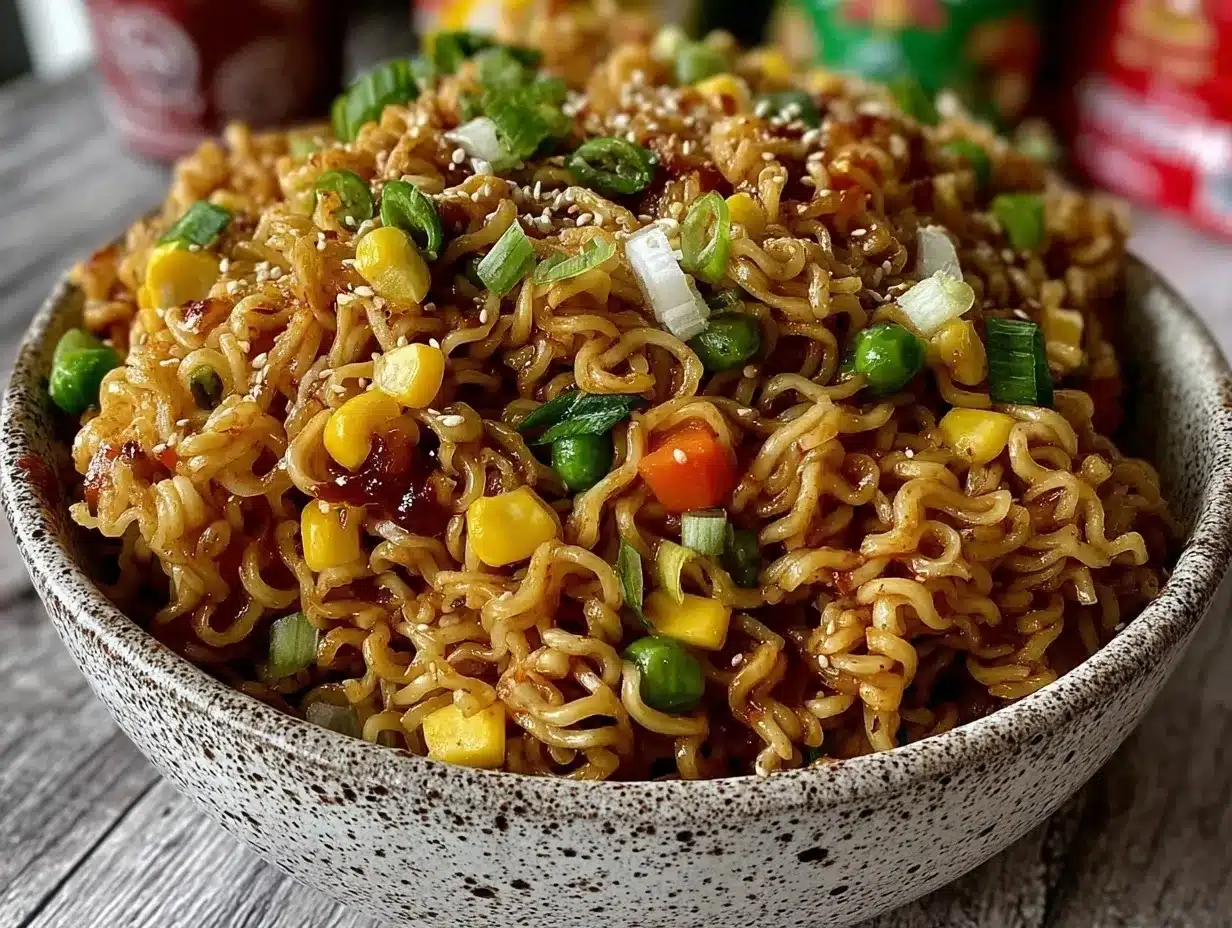
Alright, let’s make this! I’m walking you through exactly how I do it, including the little tricks I’ve picked up so you don’t end up with mushy noodles.
Step 1: Boil the Noodles (5 minutes)
Start by boiling water in a kettle or a small pot. I usually boil the water while I prep everything else. Once it’s boiling, add the ramen noodles. Cook them for about 2-3 minutes, or until they’re soft but still have a little bite. Do not overcook them! They’ll continue cooking in the hot pan. Drain the noodles, but save them. Do not rinse them unless you’re using cold noodles for a salad version. For stir-fry, you want them hot and sticky so they absorb the sauce.
Step 2: Make the Sauce (1 minute)
While the noodles boil, mix your sauce in a small bowl. Whisk together the soy sauce, sesame oil, garlic powder, and red pepper flakes. If you’re using the flavor packet from the ramen, I recommend using only half of it because the soy sauce adds enough salt. Mix it well and set it aside. It should look like a thin, brownish liquid.
Step 3: Cook the Veggies (2 minutes)
Heat a large skillet over medium-high heat. Add a tablespoon of oil (vegetable or canola works). Once the oil is shimmering, toss in the frozen vegetables. Don’t thaw them first—just dump them in frozen. They’ll cook faster than you think. Stir-fry them for 2-3 minutes until they’re heated through and slightly charred. If you’re adding meat like sausage or chicken, add it now and cook until browned.
Step 4: Scramble the Eggs (1 minute)
Push the veggies to one side of the pan. Crack the eggs into the empty space. Scramble them quickly with your spatula. Cook until they’re just set but still soft. Don’t overcook them into rubber. Mix the eggs with the veggies once they’re done.
Step 5: Combine Everything (2 minutes)
Add the drained noodles to the pan with the veggies and eggs. Pour the sauce over everything. Toss it all together gently but thoroughly. You want every noodle coated in that savory sauce. Let it cook for another 1-2 minutes so the noodles absorb the flavor and get slightly crispy on the bottom. If it looks dry, add a splash of water. If it looks wet, let it cook a minute longer.
Step 6: Serve and Garnish
Turn off the heat. Top with sliced green onions and a sprinkle of sesame seeds if you have them. Serve immediately while it’s hot. It’s best eaten straight from the pan if you’re eating alone (I do this often).
Total Time: About 15 minutes (5 minutes active, 10 minutes mostly hands-off)
Troubleshooting:
– Noodles are mushy? You overcooked them in the boiling water. Next time, boil them for only 1-2 minutes.
– Sauce is too salty? You used too much soy sauce or the full flavor packet. Next time, use half the packet and less soy sauce.
– Veggies are watery? You didn’t let them cook long enough to evaporate the moisture. Cook them a bit longer before adding the noodles.
Expert Tips & Tricks
Here’s everything I’ve learned from making this dozens of times. These tips will save you from my mistakes.
Don’t Thaw the Veggies
This is the #1 tip. Frozen veggies cook faster and don’t get soggy if you cook them straight from the freezer. If you thaw them first, they turn into a watery mess. Dump them in frozen.
High Heat is Key
You want to stir-fry, not steam. Keep the heat on medium-high. If the pan isn’t hot enough, the noodles will stick and the veggies will boil in their own juices. Give the pan a good heat up before adding anything.
Save the Flavor Packet (Sort Of)
I usually toss the flavor packet, but if you’re really craving that instant ramen taste, use half of it. Mix it with the soy sauce so it dissolves better. But honestly, the soy sauce and sesame oil give you enough flavor without the artificial stuff.
Double the Egg
If you’re really hungry, use three eggs. The protein helps keep you full, and it makes the meal feel more substantial. I often add an extra egg if I’m making this for lunch the next day.
Crunchy Noodles
If you like your noodles with a little crispiness, let them sit in the pan for 30 seconds before tossing them. The bottom will get slightly crispy. It’s a game-changer.
Common Mistakes:
– Mistake: Sauce is too thin
Fix: Let it cook longer. The noodles will absorb the liquid. If it’s still too thin, add a teaspoon of cornstarch mixed with water.
– Mistake: Noodles sticking to pan
Fix: You didn’t use enough oil, or the pan wasn’t hot enough. Use a non-stick pan and make sure it’s hot before adding noodles.
Variations & Substitutions
Once you’ve nailed the basic version, here’s how you can mix it up. I’ve tried all of these.
Chicken Ramen Stir-Fry
Add 1 cup diced cooked chicken (rotisserie works great) when you add the veggies. My husband prefers this version—it makes it more filling. Cook the chicken first, then remove, then cook veggies, then add back in.
Spicy Sausage Version
Slice up ½ cup of andouille or kielbasa sausage. Cook it in the pan first until crispy. Then cook the veggies. This adds a smoky, spicy kick that’s amazing.
Vegan Ramen Stir-Fry
Skip the egg and use tofu. Press the tofu, cube it, and pan-fry it until crispy before adding veggies. Use vegetable broth instead of water if you want more flavor, but water works fine.
Creamy Peanut Version
Add 1 tablespoon of peanut butter to the sauce. Stir it in until melted. It adds richness and makes it taste like a peanut noodle bowl. This is my favorite variation when I’m feeling fancy.
Breakfast Ramen
Add bacon bits and a fried egg on top. Sounds weird, but it’s surprisingly good. The salty bacon pairs well with the savory noodles.
Dietary Modifications:
– Gluten-Free
Use gluten-free ramen noodles (like Lotus Foods or simple rice noodles). Use tamari instead of soy sauce. Everything else is naturally gluten-free.
– Dairy-Free
This recipe is naturally dairy-free. Just make sure your ramen doesn’t contain dairy (most don’t, but check the label).
– Low-Carb
Swap ramen noodles for zucchini noodles or shirataki noodles. Reduce the sauce amount. It’s not the same texture, but it works if you’re watching carbs.
Serving & Storage
How to Serve:
I usually serve this straight from the skillet at the dinner table—it looks rustic and stays warm. But here are other ways I’ve enjoyed it:
Side Dishes:
– Simple green salad with vinegar (cuts the richness)
– Edamame (for extra protein)
– Pickled vegetables (for crunch and acid)
Toppings Bar:
When I have guests, I put out: sesame seeds, green onions, chili oil, crushed peanuts. Everyone customizes their bowl.
Storage Instructions:
Refrigerator:
Store in an airtight container for up to 3 days. The noodles will absorb more sauce, so it’ll get thicker. That’s normal.
Reheating:
Best method: Add to a skillet with a splash of water or broth over low heat. Stir until heated through. The water rehydrates the noodles.
Microwave method: Heat in 30-second intervals, stirring between. Add a splash of water to prevent drying out.
Never works: Trying to reheat in the air fryer. It dries out the noodles completely. Ask me how I know.
Freezing:
Honestly, this doesn’t freeze well. The noodles get mushy and the veggies get watery. Make it fresh or store in the fridge for up to 3 days.
Pro tip: If leftovers are drying out, stir in a teaspoon of butter when reheating. It brings back that creamy texture.
Nutrition Information
I’m not a nutritionist, but here’s the breakdown if you’re tracking.
Per Serving (based on 2 servings, using 2 packs of ramen):
| Nutrient | Amount |
|---|---|
| Calories | 480 |
| Protein | 14g |
| Carbs | 65g |
| Fiber | 4g |
| Sugar | 6g |
| Fat | 18g |
| Sodium | 1200mg |
What’s Good:
– Decent protein from eggs and veggies
– Fiber from the frozen vegetables
– Quick and filling
What to Know:
– Higher in sodium from the ramen packet and soy sauce
– Contains gluten and egg
– Moderate calories from noodles and oil
My Take:
Look, this is comfort food with noodles and soy sauce. It’s not a diet recipe. But it’s way better than takeout, costs less, and I know exactly what’s in it. When I want to make it lighter, I use half the ramen and double the veggies. But usually? I just eat a reasonable portion and enjoy it.
Final Thoughts
So that’s my go-to budget-friendly college ramen stir-fry! I’ve probably talked your ear off at this point, but when you make a recipe this often, you have a lot to say about it.
This has saved weeknight dinners more times than I can count. It’s my answer to “what’s for dinner” when I’m tired, don’t want takeout, and still want something that tastes really good. My kids are happy (even the picky ones), my husband’s happy, and I’m happy because I’m not stressed about cooking.
Make it yours! Try different add-ins, swap in your favorite vegetables, adjust the spice level. The best recipes are the ones you adapt to your family’s tastes. And if you’re feeling like dessert after this savory meal, check out these southern peach cobbler or these small batch fudgy brownies for a sweet finish.
If you make this, drop a comment and let me know what you think! I love hearing how recipes turn out in your kitchen. And if something doesn’t work, tell me that too—I’m here to help troubleshoot. Happy cooking! And I hope your kitchen smells half as good as mine does right now.
Frequently Asked Questions
Can I use fresh vegetables instead of frozen?
You can, but you’ll need to chop them, which takes more time. If you use fresh veggies, cook them for a bit longer to make sure they’re tender. Frozen veggies are convenient because they’re already prepped and cook quickly. I stick with frozen for speed, but fresh tastes fresher if you have the time.
Is this recipe spicy?
Not unless you make it spicy. The ramen packet might have a little heat, but the base recipe is mild. Add red pepper flakes or chili oil if you want more kick. I usually add a pinch of red pepper flakes for a subtle warmth.
Can I make this ahead for meal prep?
Yes! This is great for meal prep. Make the stir-fry on Sunday, store in containers in the fridge, and reheat during the week. The noodles might get a bit softer, but they’re still delicious. I meal prep this all the time for lunch.
Why did my noodles stick together?
They probably weren’t drained well or weren’t tossed in the sauce quickly enough. Make sure to drain them well and toss them in the hot pan with the sauce immediately. The sauce helps keep them separate.
Can I use rice noodles instead of ramen?
You can, but the texture will be different. Rice noodles are softer and don’t have the same chewiness as ramen. If you use rice noodles, cook them according to package directions and toss them in the sauce. It’s still good, just different.
How do I reheat leftovers without it getting dry?
Add a splash of water or broth to the pan when reheating. This rehydrates the noodles and keeps them moist. If you microwave it, cover it with a damp paper towel to trap steam. This helps prevent drying out.
Can I double this recipe?
Absolutely! Double everything and use your biggest skillet. The cooking times stay the same. I do this when I’m meal-prepping or feeding a crowd. Just make sure your skillet is big enough for the noodles—you might need to cook in batches if it’s too small.
Pin This Recipe!
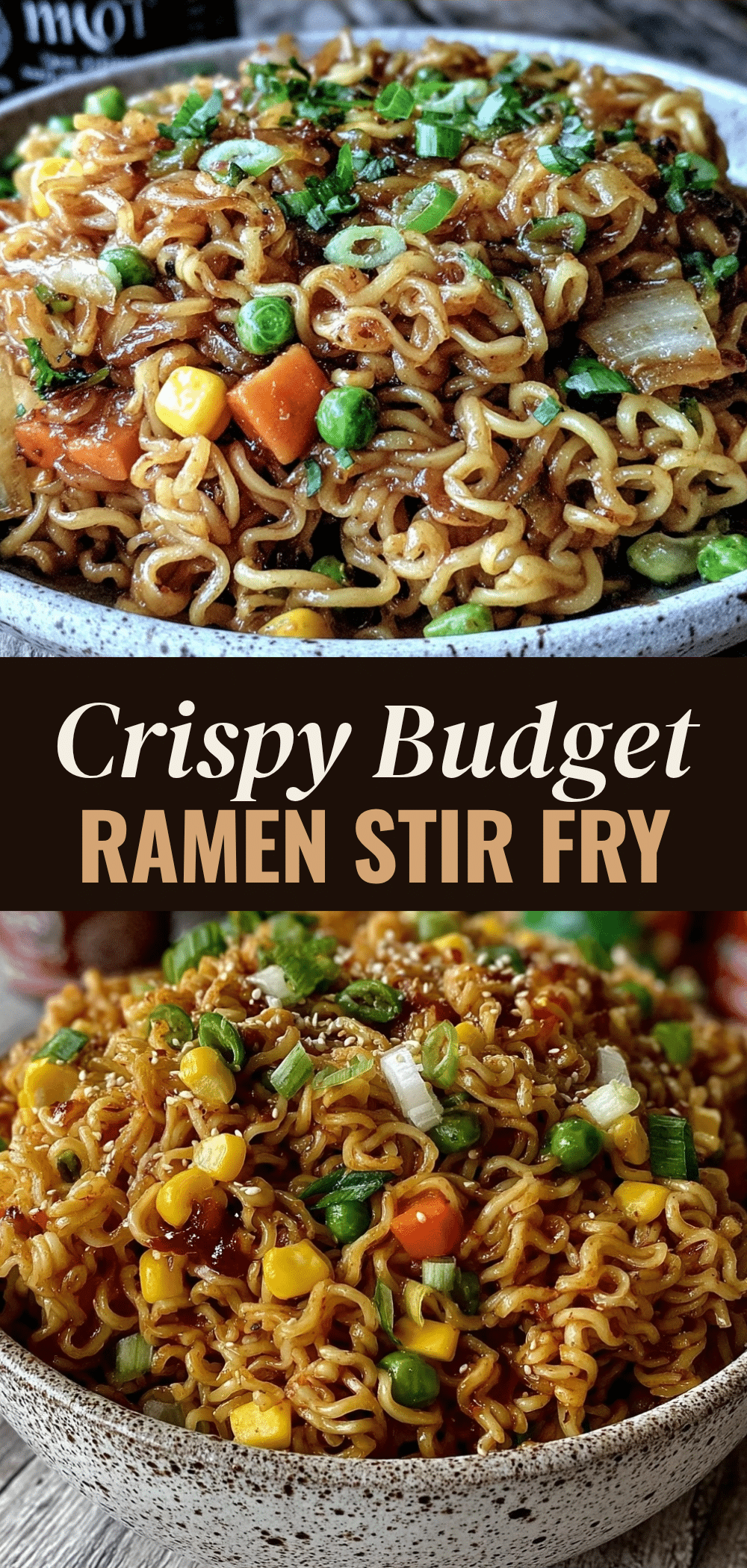
Budget-Friendly College Ramen Stir-Fry: 15-Minute Dinner
- Total Time: 15 minutes
- Yield: 2 servings 1x
Description
A quick, savory, and filling stir-fry made with instant ramen noodles, frozen vegetables, and eggs. This recipe is designed for speed and low cost, requiring only one pan and minimal prep work.
Ingredients
- 2 packs instant ramen noodles (210g), Beef or Chicken flavor preferred
- 2 cups frozen mixed vegetables (peas, carrots, corn, green beans)
- 2 large eggs
- 3 tablespoons soy sauce (low-sodium recommended)
- 1 teaspoon sesame oil
- 1 teaspoon garlic powder
- 1/2 teaspoon red pepper flakes (optional)
- 2 stalks green onions, sliced (for garnish)
- 1 tablespoon vegetable or canola oil (for cooking)
Instructions
- Boil water and cook ramen noodles for 2-3 minutes until soft but still chewy. Drain noodles, reserving them (do not rinse).
- In a small bowl, whisk together soy sauce, sesame oil, garlic powder, and red pepper flakes. Set aside.
- Heat a large skillet over medium-high heat with 1 tablespoon of oil. Add frozen vegetables (do not thaw) and stir-fry for 2-3 minutes until heated through and slightly charred.
- Push vegetables to one side of the pan. Crack eggs into the empty space and scramble until just set but still soft. Mix eggs with vegetables.
- Add drained noodles to the pan. Pour the sauce over everything and toss gently to coat evenly.
- Cook for another 1-2 minutes, allowing noodles to absorb sauce and get slightly crispy on the bottom. Add a splash of water if too dry.
- Turn off heat, garnish with sliced green onions, and serve immediately.
Notes
Do not thaw frozen vegetables; cook them straight from the freezer to prevent sogginess. Use high heat to ensure stir-frying rather than steaming. If using the ramen flavor packet, use only half to avoid excessive saltiness. Leftovers can be stored in the refrigerator for up to 3 days and reheated with a splash of water.
- Prep Time: 5 minutes
- Cook Time: 10 minutes
- Category: Main Course
- Cuisine: Asian Fusion
Nutrition
- Serving Size: 1 serving (approx. 1
- Calories: 480
- Sugar: 6
- Sodium: 1200
- Fat: 18
- Saturated Fat: 3
- Carbohydrates: 65
- Fiber: 4
- Protein: 14
Keywords: ramen stir fry, college recipes, budget meals, quick dinner, one pan meal, instant noodles, frozen vegetables, easy weeknight dinner