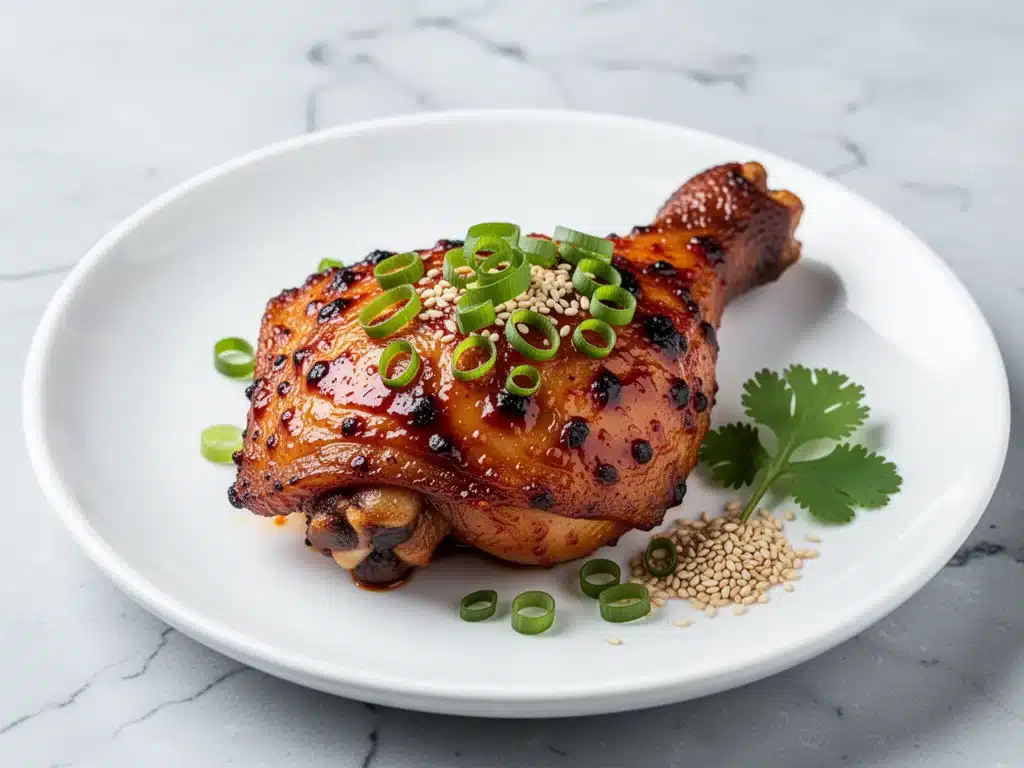
It was 7:30 PM on a Tuesday, and I was staring at my phone, thumb hovering over the delivery app. You know the feeling. You’re tired, the kids are loud, and the idea of chopping vegetables and standing over a hot stove feels like a punishment rather than dinner. I was about to order the same spicy chicken I’ve been getting from the Korean place down the street for three years when I remembered a jar of gochujang sitting in the back of my pantry, collecting dust since that one time I tried to make kimchi stew and gave up halfway through.
I had chicken thighs. I had soy sauce. I had honey. I figured, what’s the worst that could happen? I’d waste an hour and end up ordering takeout anyway. But here’s the thing: I didn’t waste anything. I ended up with sticky, caramelized, fire-breathing chicken thighs that made my husband stop scrolling through his emails and actually ask, “Did you order from that new place on 4th Street?”
No, I didn’t. I made this sticky Korean gochujang chicken right in our tiny apartment kitchen, in less time it takes to get the delivery driver to our door. And honestly? It’s better. The sauce is deeper, the chicken is juicier, and I didn’t have to pay the $18 delivery fee just to get a lukewarm container.
That night changed my weeknight routine. I’ve since made this sticky Korean gochujang chicken recipe at least a dozen times. I’ve tweaked the spice level for my picky eaters, doubled it for potlucks, and even tried it with tofu (which works, but chicken thighs are still king). If you’re tired of bland, soggy takeout and want that addictive sweet-salty-spicy crunch without the hassle, this is the recipe you need to bookmark. Seriously, throw out the app. You’re welcome.
Why This Gochujang Chicken Is Your New Weeknight Hero
There are a million “Asian-inspired” chicken recipes out there, but most of them are just sweet and sour with extra soy sauce. This one is different. It’s got that distinct fermented depth that only gochujang can provide, balanced perfectly with the sweetness of honey and the saltiness of soy. It’s not just a recipe; it’s a mood lifter.
Here’s why this sticky Korean gochujang chicken has completely taken over our dinner rotation:
- Actually Fast — I’m talking 25 minutes from start to finish. The chicken cooks quickly in a hot skillet, and the sauce comes together in the same pan. No complicated marinating overnight. No fancy equipment. Just chop, cook, and eat.
- One-Pan Wonder — This is crucial for tired parents. I sear the chicken, make the sauce in the same skillet, and toss it all together. That means one pan to wash instead of three. My husband appreciates this more than he admits.
- Customizable Heat — Gochujang is spicy, but it’s not an explosion of heat. It’s a warm, lingering warmth. If you can’t handle spice, use a little less. If you want to feel like you’re breathing fire, add extra chili flakes. It’s your call.
- Leftovers That Taste Better — I know, I know, chicken usually dries out overnight. Not this. The sauce continues to penetrate the meat, making it even more flavorful the next day. I often pack this for lunch because it’s delicious cold or reheated.
- Gluten-Free Friendly — Swap regular soy sauce for tamari, and you’re good to go. I’ve made this for my celiac sister, and she says it’s indistinguishable from the takeout version (which is high praise, considering she’s a bit of a food snob).
This is the kind of meal that makes everyone at the table happy. The kids love the sticky sweetness. The adults love the complex spice. And I love that I didn’t have to stress about dinner. It’s reliable, it’s delicious, and it’s genuinely easier than waiting for a delivery driver.
Ingredients You’ll Need for Sticky Perfection
Here’s the best part: you probably have 80% of these ingredients already. The star of the show is gochujang, but the rest are pantry staples. Let’s break down what you need and why it matters.
For the Chicken
Chicken thighs (1.5 pounds / 680g) — Boneless, skinless. I use thighs because they stay juicy and don’t dry out like breasts do when you cook them quickly. Plus, the extra fat carries the flavor better. If you only have breasts, you can use them, but reduce the cook time by a minute or two so they don’t get rubbery.
Neutral oil (2 tablespoons) — I use vegetable or canola oil. You want a high smoke point because we’re searing the chicken hard. Olive oil might smoke too much at this temperature.
Garlic (4 cloves, minced) — Fresh garlic is non-negotiable. Jarred garlic has a weird metallic taste that really clashes with the fermented gochujang. Take the extra 30 seconds to mince it fresh. Your taste buds will thank you.
Ginger (1 teaspoon, fresh grated) — Fresh ginger adds that bright, zesty kick that makes Asian food taste like Asian food. Pre-ground ginger just tastes dusty. If you absolutely must use pre-ground, use half the amount, but fresh is better.
For the Sticky Sauce
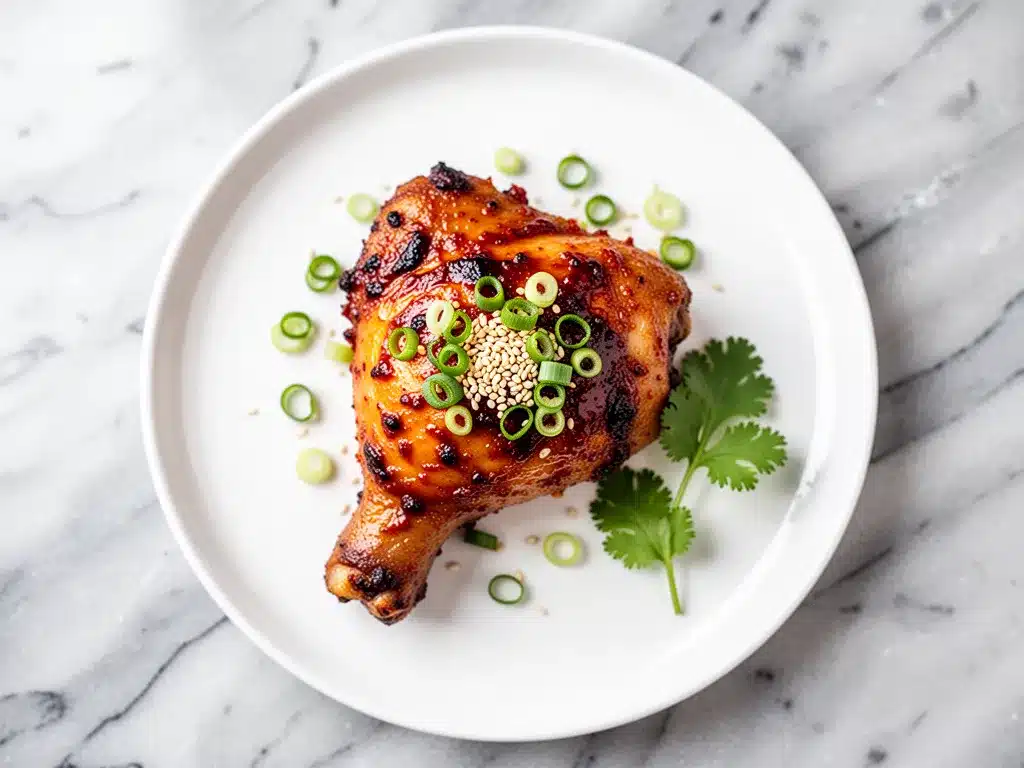
Gochujang paste (3 tablespoons) — This is the Korean fermented chili paste. It’s thick, spicy, and slightly sweet. You can find it in the Asian aisle of most grocery stores, or order it online. Don’t substitute with sriracha or gochugaru (chili flakes)—they have different textures and flavor profiles. This is the real deal.
Soy sauce (3 tablespoons) — I use regular soy sauce for the saltiness. If you’re keeping it gluten-free, use tamari. It provides that deep umami base that balances the heat.
Honey (2 tablespoons) — This is what makes it “sticky.” Sugar works too, but honey adds a floral note that pairs beautifully with the ginger. Maple syrup is another option, but it has a stronger flavor that might overpower the gochujang.
Rice vinegar (1 tablespoon) — This adds the necessary acidity to cut through the richness. If you don’t have rice vinegar, apple cider vinegar works in a pinch, but it’s not quite the same.
Water (2 tablespoons) — This thins out the sauce so it coats the chicken evenly without being too thick or gloopy.
Sesame seeds (1 tablespoon, toasted) — For garnish. Toasting them in a dry pan for a minute makes a huge difference in flavor. Don’t skip this step if you can help it.
Green onions (2 stalks, sliced) — For garnish. Adds a fresh, oniony crunch that contrasts with the soft, sticky chicken.
Equipment You’ll Need
You don’t need anything fancy for this. Here’s what I actually use:
Large non-stick skillet or cast iron pan — I use a 12-inch skillet. It needs to be big enough to fit all the chicken in a single layer. If you overcrowd the pan, the chicken steams instead of searing, and you won’t get that beautiful caramelized crust. I prefer non-stick because the sticky sauce can be a nightmare to clean if it burns onto cast iron (though cast iron works fine if you’re careful).
Sharp knife and cutting board — For prepping the chicken and aromatics. A dull knife is dangerous and makes mincing garlic a chore.
Small bowl — To whisk the sauce ingredients together before adding to the pan. This ensures the gochujang is fully dissolved and the sauce is smooth.
Wooden spoon or spatula — For stirring. Silicone works too. Just avoid metal if you’re using non-stick.
Tongs — Helpful for flipping the chicken without poking holes in it, which lets the juices escape.
How to Make It: Step-by-Step
Alright, let’s make this! I’m walking you through exactly how I do it, including the little tricks I’ve picked up so you don’t make my mistakes.
Step 1: Prep the Chicken (5 minutes)
Pat the chicken thighs dry with paper towels. This is important! Moisture is the enemy of a good sear. If the chicken is wet, it’ll steam. Dry chicken = crispy, caramelized chicken. Cut the thighs into bite-sized pieces, about 1-inch chunks. Uniform size ensures they cook evenly.
Step 2: Sear the Chicken (6-8 minutes)
Heat the oil in your large skillet over medium-high heat. Once the oil shimmers, add the chicken in a single layer. Don’t crowd the pan! If you have a small pan, cook in batches. Let the chicken cook undisturbed for 3-4 minutes until it gets a golden-brown crust. Then flip and cook for another 3-4 minutes until cooked through. Remove the chicken from the pan and set it aside on a plate. Don’t worry if it’s not 100% cooked yet; it’ll finish in the sauce.
Step 3: Aromatics (1 minute)
Reduce the heat to medium. In the same pan (don’t clean it! that browned bits are flavor), add the minced garlic and grated ginger. Sauté for about 30-60 seconds, stirring constantly. You want them fragrant but not browned. Browned garlic tastes bitter. If the pan looks too dry, add a teaspoon of water to deglaze it slightly.
Step 4: Make the Sauce (2 minutes)
While the garlic and ginger are cooking, whisk together the gochujang, soy sauce, honey, rice vinegar, and water in a small bowl until smooth. Pour this mixture into the skillet with the garlic and ginger. Stir well, scraping up any browned bits from the bottom of the pan. Let it simmer for 1-2 minutes until it starts to bubble and thicken slightly.
Step 5: Combine and Glaze (3-4 minutes)
Return the cooked chicken to the skillet. Toss everything together, making sure each piece is coated in the sticky sauce. Let it simmer for another 2-3 minutes. The sauce will reduce and become thick and glossy, clinging to the chicken. If it looks too thick, add a splash of water. If it’s too thin, let it cook a bit longer. You want it to coat the back of a spoon.
Step 6: Garnish and Serve
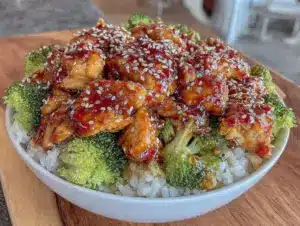
Remove from heat. Sprinkle with toasted sesame seeds and sliced green onions. Serve immediately over steamed jasmine rice or cauliflower rice. The steam from the rice helps balance the heat of the chicken.
Total Time: About 25 minutes (5 minutes prep, 20 minutes cooking)
Expert Tips for Sticky Success
Here’s everything I’ve learned from making this dozens of times. These tips will save you from my mistakes.
Don’t Skip the Dry Pat — I cannot stress this enough. Wet chicken = steamed chicken. Use paper towels. Get it dry. It makes a world of difference in texture.
Use Medium-High Heat — You want a good sear, but not so high that the sugar in the honey burns. If the sauce burns, it tastes bitter. If that happens, you have to start over. Medium-high is the sweet spot.
Taste as You Go — Every brand of gochujang is different. Some are spicier, some are sweeter. Taste your sauce before adding the chicken. If it’s too spicy, add a little more honey. If it’s too sweet, add a splash of vinegar or soy sauce. Make it your own.
Toast Your Sesame Seeds — Raw sesame seeds are fine, but toasted ones have a nutty, rich flavor that elevates the whole dish. Just put them in a dry pan over medium heat for 2-3 minutes, shaking frequently, until they’re golden and fragrant.
Save the Pan Juice — After you serve the chicken, there’s usually a little sauce left in the pan. Don’t pour it down the drain! That’s liquid gold. Drizzle it over the rice or save it for later.
Variations and Substitutions
Once you’ve nailed the basic version, here’s how you can mix it up. I’ve tried all of these.
Chicken Breast Version — I’ve used boneless skinless chicken breasts when I’m trying to be “healthy.” It works, but it’s leaner and dries out faster. Cook it for 1-2 minutes less than the thighs. I still prefer thighs, but breasts are fine if that’s all you have.
Shrimp Version — You can swap the chicken for 1 pound of large shrimp. Shrimp cook much faster, so sear them for 2 minutes per side, remove, make the sauce, and toss the shrimp back in for just 1 minute to coat. Don’t overcook the shrimp or they’ll get rubbery.
Tofu Version (Vegetarian) — Press firm tofu for 30 minutes, cut into cubes, and pan-fry until crispy. Then follow the same sauce steps. The tofu soaks up the sauce beautifully. I serve this to my vegetarian friends, and they love it.
Spicy Level Up — Want more heat? Add 1 teaspoon of gochugaru (Korean chili flakes) or a drizzle of sriracha to the sauce. Or add a pinch of cayenne pepper. Just be careful—gochujang is already spicy!
Lower Sugar — Reduce the honey to 1 tablespoon and add a pinch of stevia or erythritol if you’re watching sugar. It’s not exactly the same, but it’s closer to the original flavor profile.
Serving and Storage
How to Serve: I usually serve this straight from the skillet at the dinner table—it looks rustic and stays warm. But here are other ways I’ve enjoyed it:
Side Dishes: Steamed jasmine rice is classic. Fried rice is great if you have leftovers. Steamed broccoli or roasted bok choy adds a nice crunch. A simple cucumber salad with sesame oil and vinegar is refreshing against the spicy chicken.
Storage: Store leftovers in an airtight container in the fridge for up to 4 days. The sauce will thicken in the fridge—totally normal.
Reheating: Best method: Add a splash of water or broth to a skillet, add your leftover chicken, and heat gently over low heat, stirring frequently. This brings back the sticky texture. Microwave sort of works but tends to dry it out. If you do microwave, definitely add a splash of water first and heat in short bursts, stirring between.
Freezing: Honestly, this doesn’t freeze well because the sauce can separate when thawed. The chicken texture also changes. Make it fresh or store in the fridge for up to 4 days.
Nutrition Information
I’m not a nutritionist, but here’s the breakdown if you’re tracking. This is per serving (based on 4 servings).
| Nutrient | Amount |
|---|---|
| Calories | 320 |
| Protein | 28g |
| Carbs | 18g |
| Fiber | 1g |
| Sugar | 14g |
| Fat | 16g |
| Sodium | 980mg |
What’s Good: High protein, relatively low carb (if you skip the rice). What to Know: Higher in sodium due to soy sauce and gochujang. Use low-sodium soy sauce to reduce this. It’s comfort food, so don’t stress the calories too much. Enjoy it!
Final Thoughts
So that’s my go-to sticky Korean gochujang chicken! I’ve probably talked your ear off at this point, but when you make a recipe this often, you have a lot to say about it. This has saved weeknight dinners more times than I can count. It’s my answer to “what’s for dinner” when I’m tired, don’t want takeout, and still want something that tastes really good. My kids are happy, my husband’s happy, and I’m happy because I’m not stressed about cooking.
Make it yours! Try different add-ins, swap in your favorite vegetables, adjust the garlic (though more is always better in my opinion). The best recipes are the ones you adapt to your family’s tastes.
If you make this, drop a comment and let me know what you think! I love hearing how recipes turn out in your kitchen. And if something doesn’t work, tell me that too—I’m here to help troubleshoot.
Happy cooking! And I hope your kitchen smells half as good as mine does right now.
Frequently Asked Questions
Can I use gochugaru instead of gochujang?
Not really. Gochugaru is Korean chili flakes—it’s dry and spicy but lacks the fermented depth and thickness of gochujang. Gochujang is a paste. If you use gochugaru, you’ll need to add a thickener like cornstarch and extra soy sauce, but it won’t taste the same. Buy the paste if you can. It’s worth it.
My sauce came out too spicy—what did I do wrong?
Gochujang varies in heat level by brand. If it’s too spicy for you, add more honey or a splash of water to dilute it. You can also add a bit more soy sauce to balance the heat with saltiness. Next time, start with 2 tablespoons of gochujang and add more to taste.
Can I make this ahead for a dinner party?
Sort of. You can prep the chicken and mix the sauce ahead of time. Store them separately in the fridge. When ready to cook, just heat the pan and follow the steps. It saves you time during the party. I do this all the time.
Why did my sauce get too thick or burnt?
The honey in the sauce burns easily. If you cook it on too high heat, it will caramelize and then burn. Keep the heat at medium and stir frequently once the sauce is in the pan. If it gets too thick, add a splash of water.
Can I use chicken breasts?
Yes, but they cook faster and can dry out. Reduce the cook time by 1-2 minutes per side. I still recommend thighs for juiciness, but breasts work if that’s what you have.
How do I reheat leftovers without it getting dry?
Add a splash of water or broth to a skillet, add your leftover chicken, and heat gently over low heat, stirring frequently. This brings back the sticky texture. Microwave sort of works but tends to dry it out. If you do microwave, definitely add a splash of water first and heat in short bursts, stirring between.
Pin This Recipe!
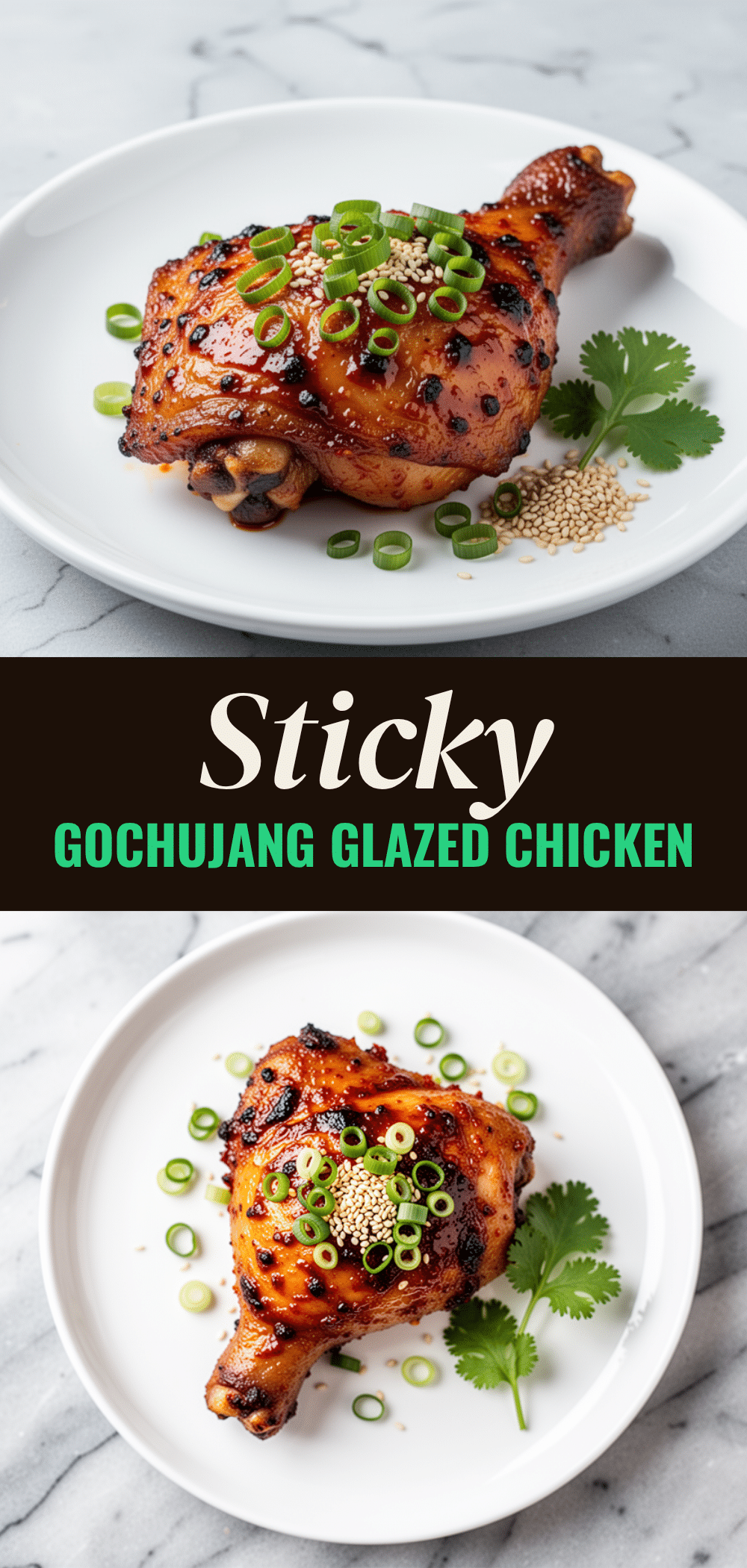
Sticky Korean Gochujang Chicken Thighs: Easy Better Than Takeout
- Total Time: 25 minutes
- Yield: 4 servings 1x
Description
A quick, one-pan weeknight dinner featuring juicy chicken thighs in a sticky, sweet, salty, and spicy gochujang sauce. Ready in 25 minutes with customizable heat levels.
Ingredients
- 1.5 pounds boneless, skinless chicken thighs, cut into 1-inch chunks
- 2 tablespoons neutral oil (vegetable or canola)
- 4 cloves garlic, minced
- 1 teaspoon fresh ginger, grated
- 3 tablespoons gochujang paste
- 3 tablespoons soy sauce (or tamari for gluten-free)
- 2 tablespoons honey
- 1 tablespoon rice vinegar
- 2 tablespoons water
- 1 tablespoon toasted sesame seeds
- 2 stalks green onions, sliced
Instructions
- Pat chicken thighs dry with paper towels and cut into 1-inch chunks.
- Heat oil in a large non-stick skillet over medium-high heat.
- Add chicken in a single layer and sear undisturbed for 3-4 minutes until golden brown. Flip and cook another 3-4 minutes until cooked through. Remove chicken and set aside.
- Reduce heat to medium. Add garlic and ginger to the same pan and sauté for 30-60 seconds until fragrant.
- Whisk gochujang, soy sauce, honey, rice vinegar, and water in a small bowl until smooth.
- Pour sauce into the skillet with garlic and ginger. Stir to scrape up browned bits and simmer for 1-2 minutes until slightly thickened.
- Return chicken to the skillet and toss to coat evenly. Simmer for 2-3 minutes until sauce is glossy and clings to the chicken.
- Remove from heat and garnish with toasted sesame seeds and sliced green onions.
- Serve immediately over steamed jasmine rice or cauliflower rice.
Notes
Pat chicken dry for a better sear. Use medium-high heat to prevent burning the honey. Toast sesame seeds for better flavor. Sauce can be adjusted for spice level by varying gochujang amount. Leftovers keep in fridge for up to 4 days; reheat gently with a splash of water.
- Prep Time: 5 minutes
- Cook Time: 20 minutes
- Category: Main Course
- Cuisine: Korean
Nutrition
- Serving Size: 1 serving (approx. 1
- Calories: 320
- Sugar: 14
- Sodium: 980
- Fat: 16
- Carbohydrates: 18
- Fiber: 1
- Protein: 28
Keywords: Korean chicken, gochujang, sticky chicken, weeknight dinner, one-pan meal, spicy chicken, better than takeout, gluten-free option