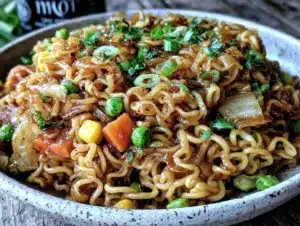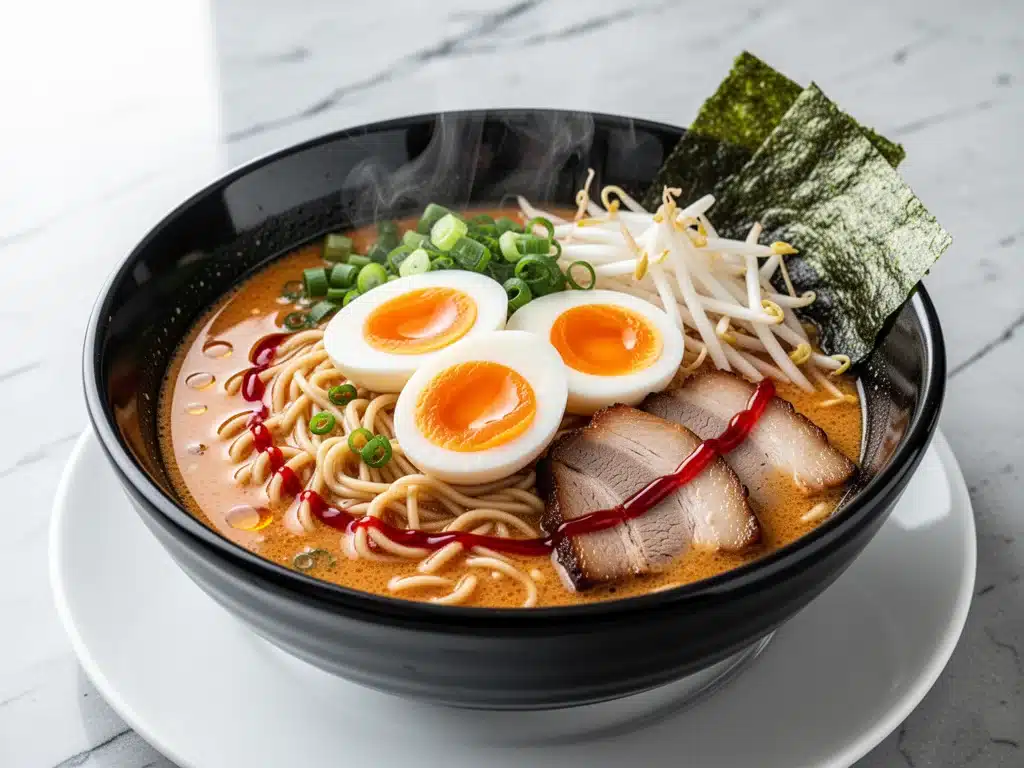
It was 11:30 PM on a Tuesday, and I was standing in my kitchen in just a t-shirt, staring into the abyss of my fridge. The light flickered on, revealing a half-empty jar of miso paste, a sad-looking bunch of green onions, and three eggs. I was exhausted. My brain felt like mush. I didn’t want to order takeout because I knew it would cost $25 and arrive lukewarm, but I definitely didn’t have the energy to make a “real” dinner. That’s when I remembered I had some instant ramen noodles in the pantry. Not the $0.50 packets from college, but the decent dried noodles, and I had miso paste.
I threw together what I thought would be a mediocre, lazy soup. I didn’t measure anything. I just dumped in the miso, some chili oil I’d been meaning to use, and cracked those eggs directly into the simmering broth. I ate it standing over the sink, spoon in hand, and suddenly, I wasn’t tired anymore. I was just happy. That accidental bowl turned into a ritual. Now, this spicy miso ramen with soft boiled eggs is my go-to rescue mission when life gets overwhelming or when I just need something warm and deeply flavorful to reset my system.
It’s not fancy. It’s not complicated. But it is arguably the best bowl of noodles I’ve ever made at home. And the secret? It’s all in the egg. A perfectly jammy, custardy yolk that breaks over the noodles and turns the entire broth into a rich, velvety sauce. I’ve tested this recipe about twenty times, tweaking the ratio of miso to chili oil and perfecting the egg timing, until I landed on this version. It’s fast, it’s comforting, and it tastes like it came from a tiny ramen shop in Tokyo, not my messy apartment kitchen.
Why You’ll Love This Recipe
I know what you’re thinking. “Ramen? Isn’t that hard?” It’s not. This spicy miso ramen with soft boiled eggs is the ultimate proof that you don’t need to spend hours simmering bones to get incredible flavor. Here’s why this bowl keeps me coming back to the stove:
Stupid Simple Technique — Seriously, if you can boil water and crack an egg, you can make this. The biggest hurdle is just timing the eggs, which I’ll walk you through. I’ve made this while holding a crying baby and while video-calling my mom. It works either way.
Lightning Fast — From boiling water to eating, it’s 15 minutes. That’s it. I make this on weeknights when I get home from work, my brain is fried, and I just need fuel that tastes like a hug.
Deep, Complex Flavor — You might think instant noodles are bland, but once you infuse the broth with real miso paste, chili oil, garlic, and ginger, it transforms. The umami hits you immediately. It’s savory, spicy, salty, and sweet all at once.
The Egg Factor — This is the game-changer. Most people just boil eggs and slice them. We’re making jammy eggs. The yolk is runny but set, and when you break it, it enriches the broth. It’s luxury food on a budget.
Pantry-Friendly — You probably have 80% of these ingredients already. Miso paste is the only “specialty” item, but it keeps in the fridge forever and adds so much depth that you’ll start using it in other things, like my spicy peanut noodles or even salad dressings.
Budget-Smart — Feeds 2-3 people for under $10. That’s cheaper than a single bowl of takeout ramen at a restaurant, and it’s way healthier because you control the sodium and ingredients.
This is my comfort food anchor. When the world feels chaotic, this bowl of spicy, savory noodles with that perfect soft-boiled egg is my reset button. It’s reliable, delicious, and makes you feel like a chef without the stress.
Ingredients You’ll Need
Here’s the thing about ramen: the quality of your ingredients matters more than you’d think. You don’t need expensive wagyu beef or rare mushrooms, but you do need good basics. I’m particular about three things here: the miso, the noodles, and the eggs. Let’s break it down.
For the Broth:
Chicken broth (4 cups / 960ml) — I use low-sodium chicken broth. High-sodium broth combined with salty miso paste will make your soup way too salty. You want a neutral base to build flavor on. Vegetable broth works too if you want it vegetarian.
White miso paste (3 tablespoons / 45g) — This is the star. White miso is milder, slightly sweeter, and less salty than red miso. It blends beautifully into the broth. If you only have red miso, you can use it, but it’s stronger and saltier, so start with 2 tablespoons and taste. I love the brand Marukome.
Soy sauce (1 tablespoon / 15ml) — Adds that salty, savory depth. I use regular Kikkoman. Again, this adds sodium, so keep an eye on the salt level.
Chili oil (1-2 tablespoons / 15-30ml) — This is where the heat comes from. I use a good quality chili oil with sediment (like Lao Gan Ma or a local artisanal brand). The sediment has the chili flakes and garlic, which adds texture. If you’re sensitive to spice, start with 1 tablespoon. For extra heat, add a teaspoon of chili crisp.
Garlic (2 cloves, minced / about 1 teaspoon) — Fresh only. No jarred garlic in this recipe. It adds a sharp, aromatic punch that balances the richness of the miso.
Fresh ginger (1 teaspoon, grated / about a 1-inch piece) — Grating ginger is easier than you think. Just peel it with a spoon and grate it on a microplane. It adds a warm, zesty note that cuts through the fat.
Sesame oil (1 teaspoon / 5ml) — Toasted sesame oil. Don’t skip this. It adds a nutty aroma that smells like a restaurant kitchen. Add it at the end so the flavor doesn’t cook out.
For the Noodles:
Ramen noodles (2 packages / about 200g) — I use dried ramen noodles, not the instant flavor packets. They have a better chew and texture. If you can’t find ramen noodles, udon noodles work, but they’re thicker and chewier. Fresh ramen noodles are great if you can find them in the refrigerated section.
For the Eggs:
Large eggs (2-3 eggs) — Room temperature eggs are best for even cooking, but I usually just pull them out of the fridge 10 minutes before. The key is the timing. 6 minutes for jammy, 7 minutes for soft.
For the Toppings:
Green onions (2 stalks, sliced thinly) — Essential for color and a fresh onion bite. I use the white parts in the broth for flavor and the green parts as garnish.
Butter (1 teaspoon per bowl) — This is a Japanese ramen trick. Adding a small pat of butter to the hot broth creates a rich, creamy emulsion. It sounds weird if you’re not used to it, but it’s delicious.
Optional Add-ins:
Spinach or bok choy (1 cup) — Wilted greens add freshness and nutrition. I throw them in during the last minute of cooking the noodles.
Corn kernels (¼ cup) — Sweet corn adds a nice pop of sweetness that contrasts with the spicy broth.
Chashu pork (optional) — If you want to go fancy, add some sliced pork belly. But honestly, the egg is the star here.
Equipment Needed
You don’t need fancy equipment for this. Here’s what I actually use:
Medium saucepan — I use a 3-quart saucepan. It needs to hold the broth and the noodles comfortably. My ancient stainless steel pot works fine.
Small bowl — For whisking the miso paste. Miso doesn’t dissolve well in boiling water directly, so you need to temper it first.
Slotted spoon — For lifting the eggs out of the water. A regular spoon works too, but a slotted spoon drains better.
Ice bath bowl — A large bowl filled with ice water. This is crucial for stopping the cooking process on the eggs. If you don’t have ice, use very cold tap water, but ice is faster.
Timer — Your phone works. Don’t guess the time. Precision is key for soft-boiled eggs.
Large pot — For boiling the noodles. If your saucepan is big enough, you can use it for both, but separate pots prevent the broth from getting starchy.
Microplane or fine grater — For the ginger. It breaks down the fibers better than chopping.
Noodles strainer — Or just use the lid to drain the noodles. I do this when I’m being lazy, but a strainer is easier.
Whisk — Small whisk for mixing the miso. A fork works too.
How to Make It: Step-by-Step
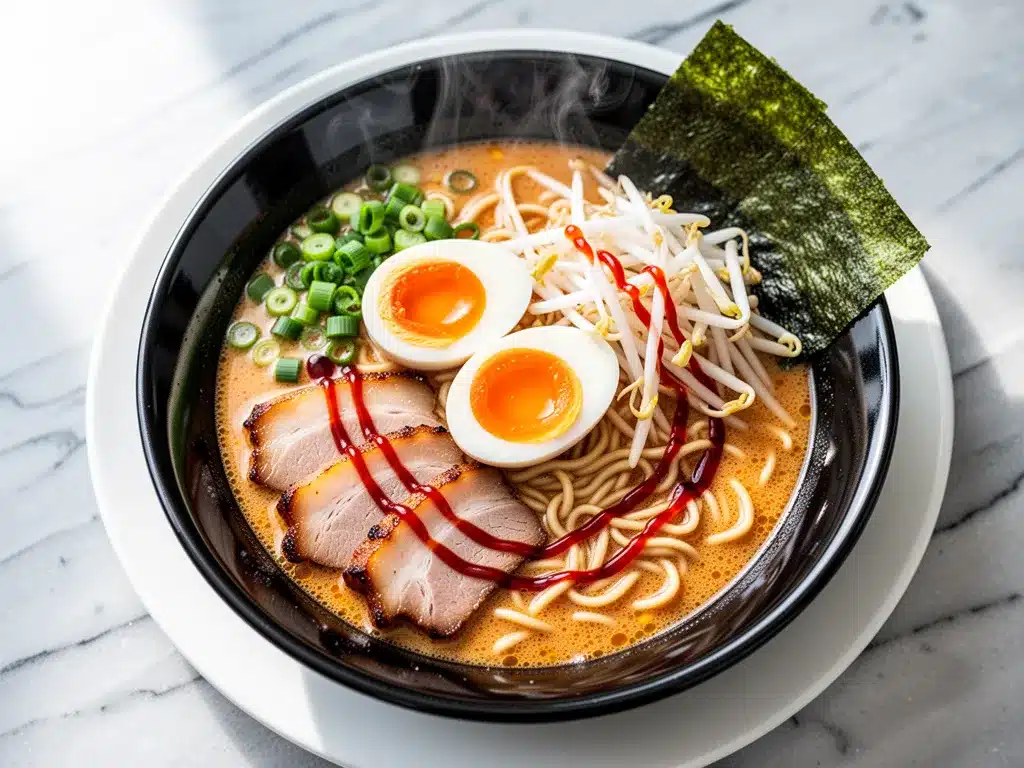
Alright, let’s make this! I’m walking you through exactly how I do it, including the little tricks I’ve picked up over years of late-night ramen sessions.
Step 1: Prep Your Eggs (10 minutes active)
Before you start cooking the broth, get the eggs ready. This is the most critical step. Bring a small saucepan of water to a boil. Once it’s boiling, gently lower the eggs into the water using a slotted spoon. Be careful—they might crack if dropped. Set your timer for exactly 6 minutes for jammy eggs (runny but set yolk) or 7 minutes for softer yolks. After the time is up, immediately transfer the eggs to the ice bath. Let them sit for at least 5 minutes. This stops the cooking and makes them easier to peel. Trust me, if you skip the ice bath, you’ll have hard-boiled eggs.
Step 2: Start the Broth (5 minutes)
In your medium saucepan, combine the chicken broth, minced garlic, and grated ginger. Bring it to a gentle simmer over medium heat. You want it hot, but not a rolling boil yet. This allows the garlic and ginger to infuse the broth. Let it simmer for about 2-3 minutes until it smells amazing. If you’re adding any hard vegetables like carrots or daikon, add them now.
Step 3: Whisk in the Miso (1 minute)
Remove the saucepan from the heat. This is important—boiling miso can destroy its beneficial probiotics and make it taste bitter. In a small bowl, take a ladle of the hot broth and whisk in the miso paste and soy sauce until it’s completely smooth and dissolved. Then, pour that miso mixture back into the saucepan and stir. Add the chili oil now. Taste the broth. It should be savory, spicy, and slightly salty. Add more chili oil if you want more heat, or a pinch of sugar if it’s too salty.
Step 4: Cook the Noodles (3-4 minutes)
In a separate large pot, bring salted water to a boil. Add the ramen noodles. Cook them according to the package directions, usually 2-3 minutes for dried noodles. Don’t overcook them! You want them al dente, with a nice chew. If you’re adding leafy greens like spinach or bok choy, toss them in during the last minute of noodle cooking. Drain the noodles, but save a little bit of the noodle water if you want to thin the broth later.
Step 5: Assemble the Bowls (2 minutes)
Place a pat of butter in the bottom of two large serving bowls. Ladle the hot miso broth over the butter, letting it melt and emulsify into the soup. This creates a creamy, rich texture. Divide the cooked noodles between the two bowls. Now, peel the eggs. To peel easily, crack the shell all over by gently tapping it on the counter, then peel under running water. Place the egg on top of the noodles. If you’re adding toppings like green onions, corn, or sesame seeds, do it now.
Step 6: Serve Immediately
Eat it hot. Break the yolk with your spoon and mix it into the broth. The yolk will thicken the soup and make it incredibly rich. Add a drizzle of extra chili oil if you want more kick. Enjoy while it’s steaming.
Total Time: About 15 minutes (5 minutes active prep, 10 minutes cooking)
Built-in Troubleshooting:
Broth too salty? Add a splash of water or a teaspoon of sugar to balance it. Remember, miso and soy sauce are both salty.
Eggs still hard? You cooked them too long. Next time, try 5.5 minutes. Egg size matters too—large eggs need the full 6 minutes, medium eggs might need 5.5.
Noodles soggy? Don’t let them sit in the hot broth too long before eating. The noodles absorb liquid quickly. Eat immediately.
Expert Tips & Tricks
Here’s everything I’ve learned from making this dozens of times. These tips will save you from my mistakes.
The Ice Bath is Non-Negotiable
This is the #1 tip for perfect soft-boiled eggs. If you don’t shock them in ice water, the residual heat will keep cooking the yolk, and you’ll end up with a green-gray ring around the yolk. It’s gross. Ice water stops the cooking instantly. I keep a bowl of ice in the freezer specifically for this.
Don’t Boil the Miso
I learned this the hard way. Boiling miso paste makes it lose its delicate flavor and can turn it slightly bitter. Always remove the pot from heat before adding the miso mixture. It will stay hot enough to dissolve it without cooking it.
Peel Under Water
Peeling soft-boiled eggs can be tricky because the membrane is tender. Crack the shell thoroughly, then peel them under a gentle stream of running water. The water helps slip the shell off cleanly. It takes a minute longer but saves you frustration.
Toast Your Sesame Seeds
If you’re using sesame seeds as a garnish, toast them in a dry pan for 1-2 minutes until they’re fragrant and lightly golden. It adds a nutty depth that raw seeds just don’t have. It’s a small step that makes a big difference.
Customize the Spice
The chili oil is your friend. If you like it mild, use 1 tablespoon. If you like it fiery, use 2 tablespoons plus a teaspoon of chili crisp. I keep a bottle of chili crisp in my pantry for this exact purpose. It adds crunch and flavor.
Use Butter for Richness
That pat of butter might seem unnecessary, but it creates a luxurious mouthfeel. It’s a classic technique in Japanese ramen shops. It emulsifies with the broth and makes it taste richer than it actually is.
Variations & Substitutions
Once you’ve nailed the basic version, here’s how you can mix it up. I’ve tried all of these.
Vegetarian Version
Swap chicken broth for vegetable broth. Add extra veggies like mushrooms, bok choy, or corn. The miso and chili oil provide enough flavor that you don’t miss the meat. I make this version when I want something lighter.
Spicy Peanut Twist
Add a tablespoon of peanut butter to the broth along with the miso. It adds a creamy, nutty heat that’s similar to my spicy peanut noodles. It’s a completely different vibe but equally delicious.
Shrimp Ramen
Add ½ pound of shrimp to the broth in the last 2 minutes of cooking. Shrimp pairs beautifully with miso and ginger. Just make sure not to overcook them.
Mushroom Lover’s
Sauté sliced mushrooms in a pan with a little butter until browned, then add them to the broth. Shiitake mushrooms are best for their earthy flavor. It adds a deep, savory umami boost.
Gluten-Free
Use gluten-free ramen noodles (rice noodles or buckwheat noodles) and ensure your miso paste is gluten-free (some brands use barley). Tamari instead of soy sauce. Everything else is naturally gluten-free.
Extra Protein
Add leftover rotisserie chicken, sliced beef, or fried tofu. I often use leftover chicken from my creamy tuscan salmon prep days, though salmon isn’t traditional, it works surprisingly well.
Serving & Storage
How to Serve:
I usually serve this straight from the stove at the dinner table. It’s casual and cozy. But here are other ways I’ve enjoyed it:
Side Dishes:
– Garlic bread (obviously)
– Simple green salad with sesame vinaigrette
– Pickled vegetables (they cut through the richness)
– Crispy air fryer pork schnitzel (crispy air fryer pork schnitzel) if you want extra meat
Storage Instructions:
Refrigerator:
Store the broth separately from the noodles and eggs. The broth lasts 3-4 days in an airtight container. Noodles should be eaten fresh, but you can store them in the fridge for 1 day (they’ll get soggy). Peel the eggs and store them in a container with water to keep them fresh.
Reheating:
Reheat the broth in a saucepan over medium heat until simmering. Do not boil. Cook fresh noodles and assemble. If you’re reheating leftover broth, it will taste great, but it won’t have the fresh ginger garlic punch. Add a little fresh garlic and ginger when reheating.
Freezing:
Don’t freeze this. The eggs will become rubbery, and the broth might separate. Make it fresh. It’s too quick to bother with freezing.
Nutrition Information
I’m not a nutritionist, but here’s the breakdown if you’re tracking. This is a hearty meal, so portions matter.
Per Serving (based on 2 servings):
- Calories: 450
- Protein: 18g
- Carbs: 55g
- Fiber: 3g
- Sugar: 4g
- Fat: 16g
- Saturated Fat: 5g
- Cholesterol: 180mg
- Sodium: 900mg (varies based on broth and miso)
What’s Good:
– Decent protein from eggs and broth
– Healthy fats from chili oil and butter
– Probiotics from miso paste (if not boiled)
What to Know:
– Higher in sodium due to miso and soy sauce. Use low-sodium broth to reduce.
– Contains gluten (unless using GF noodles)
– Contains dairy (butter) and eggs
My Take:
Look, this is comfort food. It’s not a diet recipe. But it’s way better than takeout, costs less, and I know exactly what’s in it. When I want to make it lighter, I use less butter and more veggies. But usually? I just eat a reasonable portion and enjoy it.
Final Thoughts
So that’s my go-to spicy miso ramen with soft boiled eggs! I’ve probably talked your ear off at this point, but when you make a recipe this often, you have a lot to say about it. This bowl has saved weeknight dinners more times than I can count. It’s my answer to “what’s for dinner” when I’m tired, don’t want takeout, and still want something that tastes really good. My family is happy, and I’m happy because I’m not stressed about cooking.
Make it yours! Try different add-ins, swap in your favorite vegetables, adjust the garlic and chili. The best recipes are the ones you adapt to your family’s tastes. If you make this, drop a comment and let me know what you think! I love hearing how recipes turn out in your kitchen. And if something doesn’t work, tell me that too—I’m here to help troubleshoot.
Happy cooking! And I hope your kitchen smells half as good as mine does right now.
Frequently Asked Questions
Q: Can I use red miso instead of white miso?
A: You can, but it’s much saltier and has a stronger, funkier flavor. If you use red miso, start with 2 tablespoons instead of 3, and taste the broth before adding soy sauce. White miso is milder and sweeter, which balances the spice better for most people. I prefer white miso for this recipe.
Q: My eggs are hard-boiled—what happened?
A: You cooked them too long! For jammy eggs, 6 minutes is the sweet spot. For softer yolks, 5.5 minutes. Make sure you’re using a timer and an ice bath. If your eggs are large, they might need the full 6 minutes. If they’re medium, 5.5 minutes. Practice makes perfect.
Q: Can I make this ahead for a dinner party?
A: Sort of. You can make the broth ahead and store it in the fridge for up to 2 days. Reheat it gently. Cook the noodles and boil the eggs fresh right before serving. The eggs and noodles don’t hold up well if they sit in the broth too long. I do this all the time to reduce stress.
Q: Why did my broth look cloudy?
A: This usually happens if you boil the miso paste. Miso contains starches that can cloud the broth if it’s overcooked. Always remove the pot from heat before adding miso. Also, if you’re using instant ramen noodles, they release more starch into the water, which can cloud the broth. Using fresh or dried ramen noodles helps keep it clearer.
Q: Can I use tofu instead of eggs?
A: Absolutely! Firm tofu cubes, pan-fried until golden, are a great substitute. You can also use marinated tofu. It adds protein and absorbs the broth nicely. I make this version for my vegetarian friends, and they love it.
Q: How do I reheat leftovers without it getting dry?
A: Reheat the broth in a saucepan over medium heat. Cook fresh noodles and assemble. Don’t reheat the noodles in the microwave with the broth—they’ll get soggy and mushy. If you must reheat leftovers, do it gently on the stove. The eggs will be fine if you reheat them in the broth for just a minute.
Q: Can I double this recipe?
A: Yes! Double the broth, miso, and chili oil. Use a larger pot for the broth and noodles. The cooking times stay the same. I do this when I’m meal-prepping or feeding a crowd. Just make sure your pot is big enough to hold everything comfortably.
Pin This Recipe!
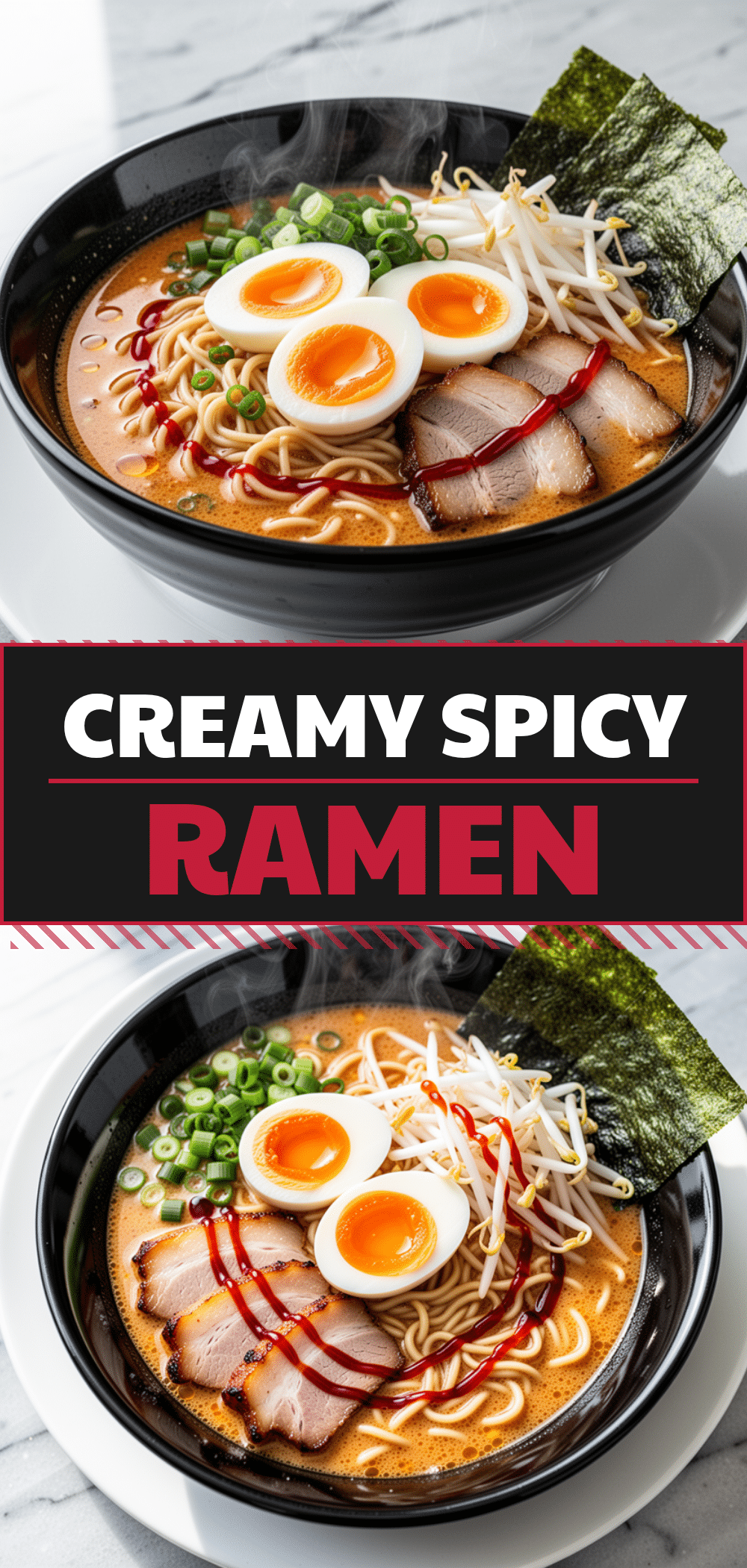
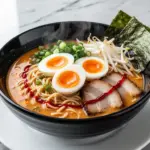
Spicy Miso Ramen with Soft Boiled Eggs
- Total Time: 15 minutes
- Yield: 2 servings 1x
Description
A quick, comforting weeknight dinner featuring rich miso broth, chewy ramen noodles, and perfectly jammy soft-boiled eggs. This recipe transforms simple pantry ingredients into a restaurant-quality meal in just 15 minutes.
Ingredients
- 4 cups low-sodium chicken broth (or vegetable broth for vegetarian)
- 3 tablespoons white miso paste
- 1 tablespoon soy sauce
- 1–2 tablespoons chili oil (with sediment)
- 2 cloves garlic, minced
- 1 teaspoon fresh ginger, grated
- 1 teaspoon toasted sesame oil
- 2 packages dried ramen noodles (about 200g)
- 2–3 large eggs
- 2 stalks green onions, sliced
- 2 teaspoons butter (1 per bowl)
- Optional: 1 cup spinach or bok choy, ¼ cup corn kernels, sesame seeds
Instructions
- Bring a small saucepan of water to a boil. Gently lower eggs into the water and set a timer for 6 minutes for jammy yolks or 7 minutes for softer yolks.
- Immediately transfer the cooked eggs to an ice bath and let sit for at least 5 minutes to stop the cooking process. Peel under running water when ready to serve.
- In a medium saucepan, combine chicken broth, minced garlic, and grated ginger. Bring to a gentle simmer over medium heat for 2-3 minutes to infuse flavors.
- Remove the saucepan from the heat. In a small bowl, whisk a ladle of hot broth with the miso paste and soy sauce until smooth. Pour the mixture back into the saucepan and stir in the chili oil.
- In a separate large pot, bring salted water to a boil. Cook ramen noodles according to package directions (usually 2-3 minutes) until al dente. Add leafy greens in the last minute if using.
- Drain the noodles, reserving a little noodle water if needed to thin the broth.
- Place a pat of butter in the bottom of two large serving bowls. Ladle the hot miso broth over the butter to create an emulsion.
- Divide the cooked noodles between the bowls. Top with the peeled soft-boiled eggs and desired toppings like green onions, corn, or sesame seeds.
- Serve immediately while hot. Break the yolk into the broth before eating.
Notes
Do not boil the miso paste, as it can destroy probiotics and make the broth bitter; always remove from heat before adding. Use an ice bath for the eggs to ensure a jammy yolk. If the broth is too salty, add a splash of water or a teaspoon of sugar. For a vegetarian version, swap chicken broth for vegetable broth and omit butter or use vegan butter.
- Prep Time: 5 minutes
- Cook Time: 10 minutes
- Category: Main Course
- Cuisine: Japanese
Nutrition
- Serving Size: 1 bowl
- Calories: 450
- Sugar: 4
- Sodium: 900
- Fat: 16
- Saturated Fat: 5
- Carbohydrates: 55
- Fiber: 3
- Protein: 18
Keywords: miso ramen, soft boiled eggs, spicy ramen, quick dinner, comfort food, weeknight meals, Japanese noodles, easy ramen recipe