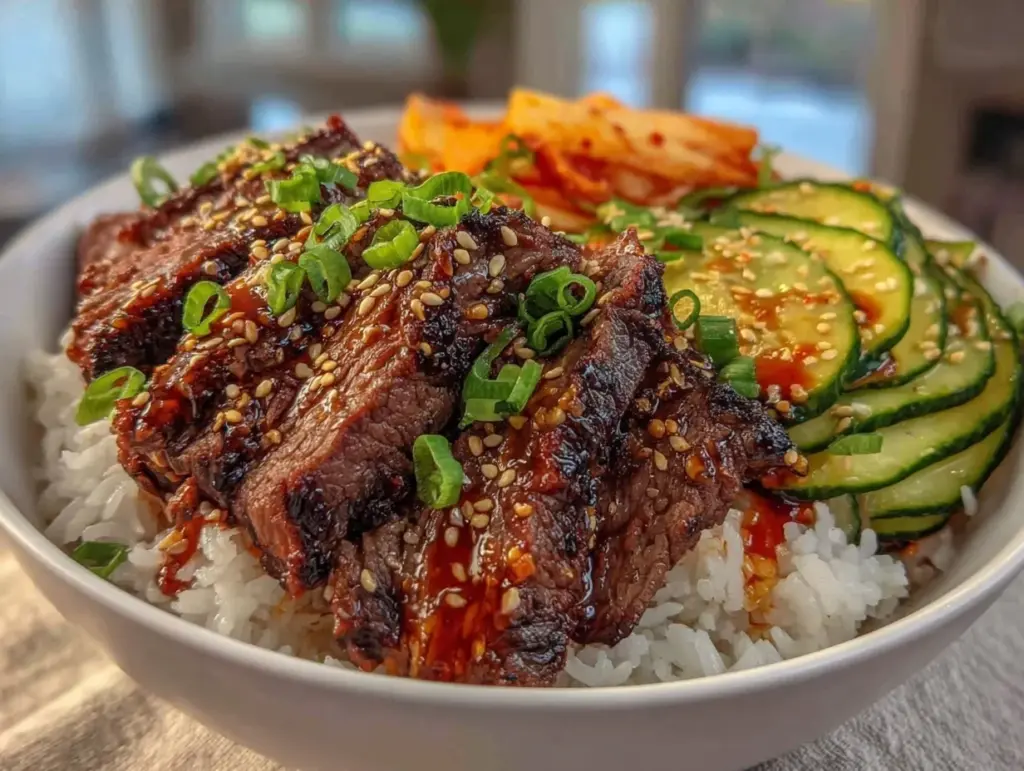
There was a Tuesday night last month when I came home completely exhausted. My brain was fried, my energy was at zero, and the last thing I wanted to do was stand over a hot stove for an hour. I opened the fridge, stared at a package of thinly sliced sirloin, a bag of rice that needed cooking, and a cucumber that was slowly turning soft. I didn’t want takeout—my wallet was already crying—but I definitely didn’t have the willpower for a complex dinner. So I improvised. I threw together a quick marinade, seared the beef in a screaming hot pan, and shaved that cucumber into ribbons with a quick vinegar soak.
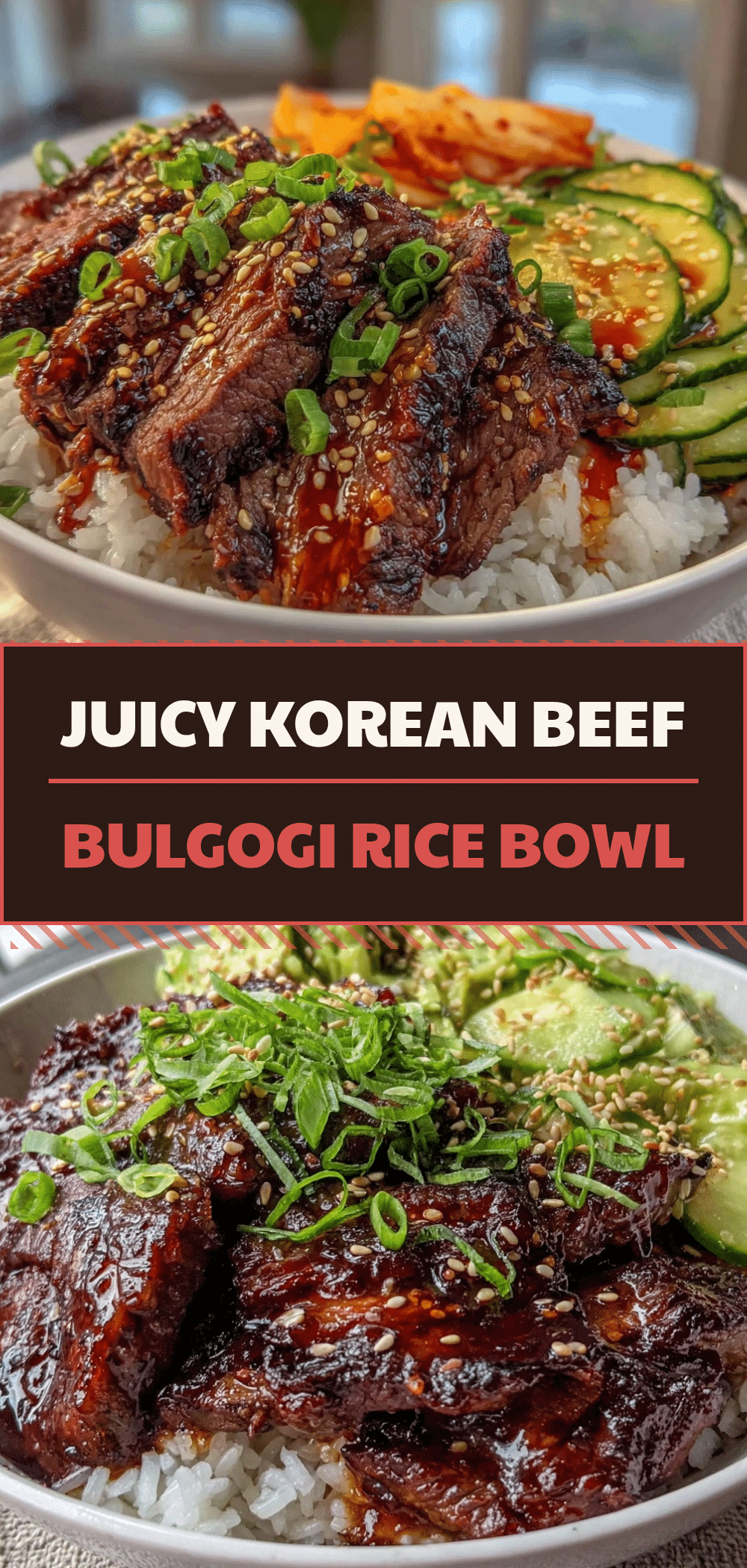
I sat down to eat, expecting mediocrity. Instead, I had the best bowl of food I’d made in months. The beef was sweet, savory, and tender. The rice soaked up all the juices. And that cucumber? It was crisp, tangy, and completely cut through the richness of the beef. It was like a mini vacation for my taste buds. That accidental dinner became the blueprint for my go-to Korean Beef Bulgogi Rice Bowl. I’ve made it at least twenty times since then, tweaking the marinade and perfecting the pickle, and it has officially replaced my usual rotation of pasta and chicken.
Here’s the thing about bulgogi: most people think it’s this complicated, hours-long project that requires a charcoal grill and patience I don’t have. But the truth is, the name just means “fire meat,” and you can absolutely make it in a skillet in under 30 minutes. The secret isn’t in the cooking time; it’s in the balance. You’ve got that deep, umami-rich beef hitting your tongue, followed immediately by the bright, acidic crunch of the quick pickle. It’s a flavor profile that feels fancy but is actually stupid simple. If you’ve been intimidated by Asian cooking, this is the recipe to start with. It’s approachable, forgiving, and honestly? It might just make you forget about ordering Uber Eats forever.
Why You’ll Love This Bulgogi Bowl
I don’t say this lightly: this bowl has saved me from at least ten takeout orders this year. It’s become the answer to “what’s for dinner?” when I’m tired, broke, or just don’t want to think. Here’s why it keeps me coming back to the stove:
- Lightning Fast — Seriously, this is a weeknight hero. The marinade takes 5 minutes, the beef cooks in 3, and the pickle happens while the rice steams. From start to finish, you’re eating in 25 minutes. That’s faster than waiting for a delivery driver.
- Flavor Bomb — Most weeknight meals are one-note. This is complex. You get sweet, salty, savory, garlicky, and tangy all in one bite. It hits every single craving center in your brain.
- Pantry-Friendly — You probably have soy sauce, sesame oil, and rice vinegar already. The rest is basic produce. I don’t need to go to the store for this. It’s my “clean out the fridge” meal.
- Crowd-Pleaser — My kids, who usually reject anything that isn’t breaded and fried, ask for seconds. My husband loves the savory depth. It’s one of those rare dishes that satisfies every palate at the table.
- Meal-Prep Friendly — The beef and rice actually reheat beautifully. I make a big batch on Sunday, and I have lunch sorted for three days. The pickle is best fresh, so I keep the cucumbers separate until I’m ready to eat.
This isn’t just dinner; it’s a mood lifter. It’s the kind of food that makes you feel like you’re doing something special, even if you’re wearing sweatpants and eating at 8:30 PM.
Ingredients You’ll Need
This looks like a short list, but every ingredient plays a specific role in building that perfect flavor profile. I’m particular about a few of these, so let’s break down what you need and why.
For the Beef Marinade
Thinly sliced beef (1.5 lbs / 680g) — This is non-negotiable. You want sirloin, ribeye, or flank steak, sliced paper-thin. If your butcher won’t slice it thin, freeze the meat for 20 minutes first—it makes slicing much easier. Thin slices cook fast and get that caramelized edge.
Soy sauce (½ cup / 120ml) — I use regular soy sauce, not low-sodium, because I need that salt punch. It’s the backbone of the savory flavor. If you’re watching sodium, you can use tamari, but the flavor will be slightly different.
Sesame oil (2 tablespoons) — Toasted sesame oil is distinct from regular sesame oil. It’s dark and nutty. Do not substitute with regular oil here; it’s what gives bulgogi its signature aroma. I keep a bottle in my pantry at all times.
Brown sugar (2 tablespoons) — I prefer brown sugar over white because it adds a molasses depth that caramelizes beautifully. It balances the saltiness of the soy sauce.
Garlic (4 cloves, minced) — Yes, four cloves. Don’t be shy. Fresh garlic is essential. Jarred garlic just doesn’t have the bright punch this recipe needs.
Fresh ginger (1 teaspoon, grated) — Fresh ginger adds a warm, zesty kick. I grate it on a microplane for a smooth texture. Ground ginger won’t work here—it’s too dusty and dull.
Black pepper (½ teaspoon) — Freshly cracked is best. It adds a little heat and earthiness.
For the Quick Pickled Cucumber
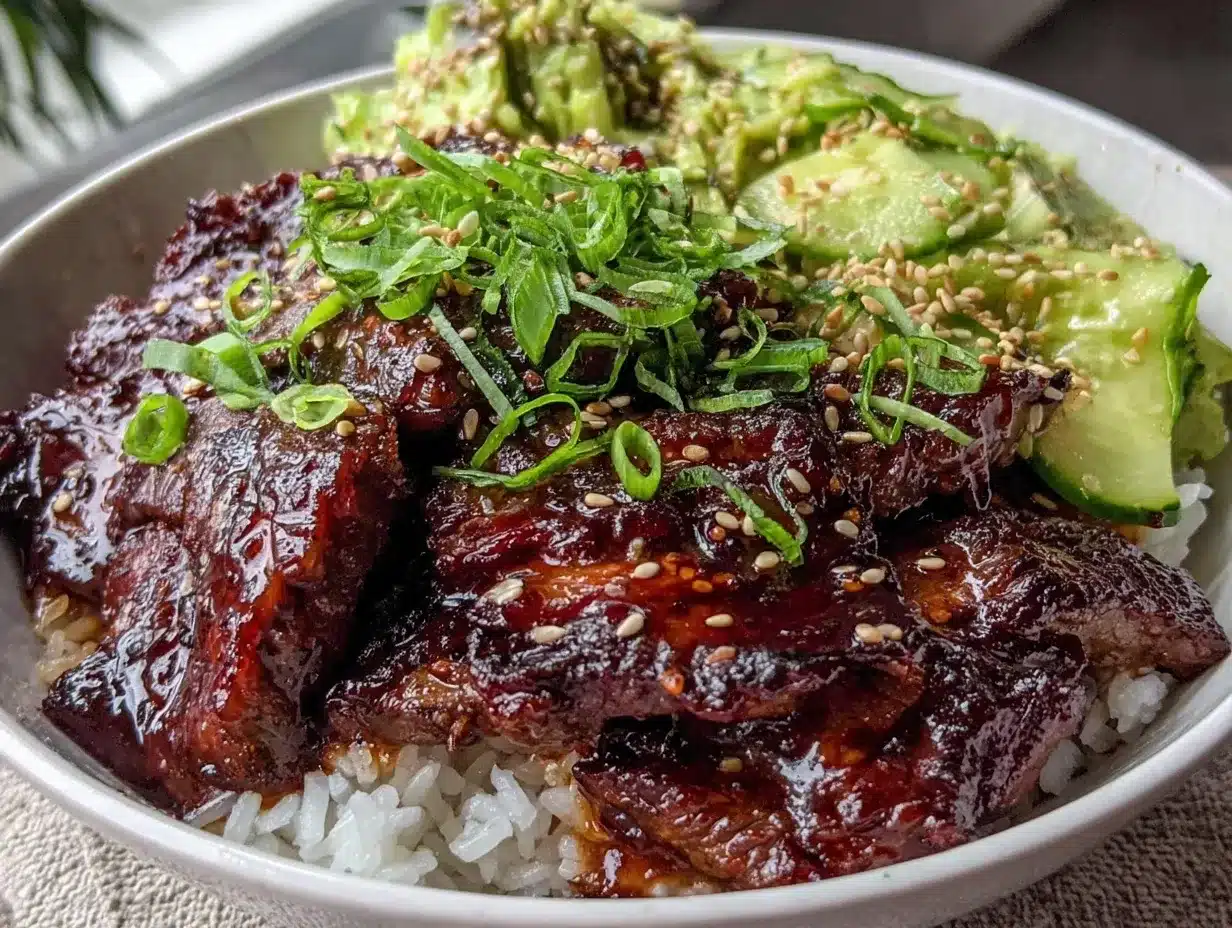
English cucumber (1 large) — English cucumbers are better because they have fewer seeds and thinner skin. They stay crisp longer. Regular slicing cucumbers work, but you might want to scoop out the seeds.
Rice vinegar (¼ cup / 60ml) — This provides the bright acidity. Do not use white vinegar or apple cider vinegar; the flavor will be wrong. Rice vinegar is mild and sweet.
Sugar (1 tablespoon) — Balances the vinegar. Adjust to your taste if you prefer it more sour.
Salt (½ teaspoon) — Draws moisture out of the cucumber, helping it pickle faster and stay crunchy.
For the Bowl Assembly
White rice (2 cups uncooked) — Jasmine or short-grain Japanese rice is best. It’s sticky and perfect for soaking up the beef juices. Long-grain rice is too dry and separate for this.
Green onions (2 stalks, sliced) — For garnish. They add a fresh, oniony bite that cuts through the richness.
Sesame seeds (1 tablespoon) — Toasted sesame seeds add a nice crunch and visual appeal. You can buy them pre-toasted or toast them yourself in a dry pan for 2 minutes.
Optional Add-ins — I love adding sautéed spinach or some kimchi on the side for extra tang. If you want to spice things up, a drizzle of sriracha or gochujang paste works great.
Equipment Needed
You don’t need fancy gadgets for this. Here’s what I actually use:
Large skillet or Wok — I use a 12-inch stainless steel skillet. It needs to be big enough to spread the beef in a single layer. If you crowd the pan, the beef steams instead of searing. A wok works too, but I find the flat surface of a skillet gives better caramelization.
Rice Cooker or Medium Pot — I swear by my rice cooker for hands-off cooking. But a heavy-bottomed pot with a tight lid works perfectly. Just don’t use a thin pot; it’ll burn.
Sharp Knife — Essential for slicing the beef and chopping the veggies. A dull knife is dangerous and makes clean slicing impossible.
Microplane or Grater — For the ginger and garlic. A microplane gives you a fine paste that dissolves into the marinade evenly.
Small Bowl — For mixing the marinade and the pickle brine.
Serving Bowls — I like wide, shallow bowls. They make the food look more abundant and easier to eat with chopsticks or a fork.
How to Make It: Step-by-Step
Alright, let’s make this! I’m walking you through exactly how I do it, including the little tricks I’ve picked up over time.
Step 1: Prep the Beef (5 minutes)
If your beef isn’t already thinly sliced, slice it now. Aim for strips about ¼-inch thick. Place the beef in a medium bowl. In a small bowl, whisk together the soy sauce, sesame oil, brown sugar, minced garlic, grated ginger, and black pepper until the sugar dissolves. Pour this marinade over the beef. Toss well to coat. Let it sit while you cook the rice. It only needs 5-10 minutes to absorb the flavor, though if you have time, 30 minutes is ideal.
Step 2: Cook the Rice (20 minutes)
Rinse your rice under cold water until the water runs clear. This removes excess starch and prevents gummy rice. Add the rice and water (usually a 1:1.25 ratio for short-grain) to your rice cooker or pot. If using a pot, bring to a boil, then reduce heat to low, cover tightly, and simmer for 18 minutes. Remove from heat and let it sit, covered, for 10 minutes. Fluff with a fork.
Step 3: Make the Quick Pickle (5 minutes)
While the rice cooks, slice the cucumber. I use a vegetable peeler to create long, thin ribbons, which look beautiful and pickle faster. Place the cucumber ribbons in a small bowl. Sprinkle with salt and toss. Let them sit for 5 minutes to draw out moisture. Then, rinse them under cold water and squeeze out as much liquid as possible with your hands. In a separate small bowl, whisk together the rice vinegar and sugar until dissolved. Pour over the cucumbers and toss. Set aside.
Step 4: Sear the Beef (3 minutes)
Heat your large skillet over medium-high heat. Add a tablespoon of neutral oil (like vegetable or canola). Once the oil is shimmering, add the marinated beef in a single layer. Don’t overcrowd the pan! Cook in batches if necessary. Let the beef sear for 1-2 minutes without moving it, until it gets a nice brown crust. Then flip and cook for another minute. The beef should be cooked through but still tender. It cooks fast, so watch it closely.
Step 5: Assemble the Bowl
Place a generous scoop of hot rice in the bottom of each bowl. Top with the seared beef. Arrange the pickled cucumber ribbons on top. Sprinkle with sliced green onions and toasted sesame seeds. Drizzle with a little extra sesame oil if you want more nuttiness.
Total Time: About 25-30 minutes.
Expert Tips & Tricks
Here’s everything I’ve learned from making this dozens of times. These tips will save you from my mistakes.
Don’t Skip the Squeeze — When making the cucumber pickle, squeezing out the excess liquid is crucial. If the cucumbers are too watery, the pickle will be soggy and dilute the flavor. Get that liquid out!
High Heat for the Beef — You want a hard sear. If your pan isn’t hot enough, the beef will steam in its own juices and become gray and tough. Get that skillet smoking hot before adding the meat.
Marinate While You Cook — The beef doesn’t need hours to marinate. 5-10 minutes is enough to get flavor on the surface. If you forget to marinate ahead, just let it sit while the rice cooks. It still works.
Toast Your Sesame Seeds — Raw sesame seeds are bland. Toasting them in a dry pan for 2 minutes releases their oils and makes them nutty and aromatic. It’s a tiny step that makes a huge difference.
Balance Your Pickle — Taste your pickle brine before adding it to the cucumbers. It should taste slightly too sweet and sour on its own. That’s when it’s perfect on the palate.
Variations & Substitutions
Once you’ve nailed the basic version, here’s how you can mix it up. I’ve tried all of these.
Pork Bulgogi — You can absolutely use thinly sliced pork belly or pork shoulder. Pork has a richer fat content, so it’s incredibly juicy. Just adjust cooking time slightly.
Chicken Version — Use chicken thighs, sliced thin. They stay juicier than breasts. The marinade works perfectly with chicken too.
Vegetarian Option — Swap the beef for extra-firm tofu, pressed and sliced thin, or use seitan. Marinate it the same way and sear it until crispy. It absorbs the flavor beautifully.
Spicy Kick — Add 1 tablespoon of gochujang (Korean chili paste) or sriracha to the marinade. It adds a deep, fermented heat that’s amazing.
Gluten-Free — Use tamari instead of soy sauce. Everything else is naturally gluten-free. Check your sesame oil to ensure it’s GF (some blends have additives).
Dairy-Free — This recipe is naturally dairy-free. Just ensure your rice cooker pot hasn’t been used with butter.
Serving & Storage
How to Serve: I usually serve this straight from the skillet at the dinner table—it looks rustic and stays warm. But here are other ways I’ve enjoyed it:
Side Dishes:
– Steamed broccoli with a splash of soy sauce
– A simple Asian slaw with sesame dressing
– Kimchi on the side for extra tang
– A soft-boiled egg on top for richness
Toppings Bar: When I have guests, I put out: extra green onions, sesame seeds, sriracha, and lime wedges. Everyone customizes their bowl.
Storage Instructions:
Refrigerator: Store the beef and rice in airtight containers for up to 3 days. The pickle is best fresh, but it will keep for 2 days in the fridge. The cucumbers will soften over time.
Reheating: Reheat the beef in a skillet over medium heat with a splash of water to keep it moist. Microwave the rice in short bursts, covered with a damp paper towel to steam it back to life. Do not reheat the pickle.
Freezing: I don’t recommend freezing this dish. The cucumbers will turn mushy, and the beef can become tough upon thawing. It’s best made fresh.
Nutrition Information
I’m not a nutritionist, but here’s the breakdown if you’re tracking. This is per serving (based on 4 servings):
- Calories: 450
- Protein: 28g
- Carbs: 52g
- Fiber: 2g
- Sugar: 8g
- Fat: 12g
- Sodium: 980mg
It’s a balanced meal with good protein and complex carbs from the rice. The sodium is higher due to the soy sauce, so if you’re watching salt, use low-sodium soy sauce and rinse the cucumbers thoroughly.
Final Thoughts
So that’s my go-to Korean Beef Bulgogi Rice Bowl! I’ve probably talked your ear off at this point, but when you make a recipe this often, you have a lot to say about it. This has saved weeknight dinners more times than I can count. It’s my answer to “what’s for dinner” when I’m tired, don’t want takeout, and still want something that tastes really good. My kids are happy, my husband’s happy, and I’m happy because I’m not stressed about cooking.
Make it yours! Try different add-ins, swap in your favorite vegetables, adjust the garlic (though more is always better in my opinion). The best recipes are the ones you adapt to your family’s tastes. If you make this, drop a comment and let me know what you think! I love hearing how recipes turn out in your kitchen. And if something doesn’t work, tell me that too—I’m here to help troubleshoot.
Happy cooking! And I hope your kitchen smells half as good as mine does right now.
Frequently Asked Questions
Can I use regular soy sauce?
Yes, regular soy sauce is perfect for this recipe. It provides the saltiness and umami depth that defines bulgogi. If you’re sensitive to sodium, you can use low-sodium soy sauce, but you may need to add a pinch more salt to the marinade.
Why is my beef tough?
This usually happens if you overcook it. Bulgogi beef is sliced thin and cooks very quickly. Once it’s browned and cooked through (about 3 minutes total), it’s done. If you keep cooking it, it will become chewy. Also, make sure you’re slicing against the grain.
Can I make the pickle ahead of time?
You can, but the cucumbers will lose their crunch over time. For the best texture, make the pickle the day of or a few hours before. If you make it too far in advance, it will become soggy. The flavor will meld nicely, but the texture will suffer.
What kind of rice should I use?
Short-grain Japanese rice or Jasmine rice works best. They’re sticky and soft, which is perfect for soaking up the beef juices. Long-grain rice like Basmati is too dry and separate for this dish.
Can I use beef that’s not thinly sliced?
It’s much harder to cook evenly if the slices are thick. If you buy a thicker cut, freeze it for 20-30 minutes until it’s firm but not frozen solid. Then slice it thinly. This makes it much easier to get those paper-thin slices needed for quick cooking.
Is this recipe spicy?
The base recipe is not spicy. It’s sweet, savory, and garlicky. If you want heat, add gochujang, sriracha, or red pepper flakes to the marinade or serve with a spicy drizzle on top.
Pin This Recipe!
Korean Beef Bulgogi Rice Bowl: 5-Min Quick Pickle
- Total Time: 30 minutes
- Yield: 4 servings 1x
Description
A quick and flavorful weeknight dinner featuring thinly sliced beef marinated in a sweet and savory sauce, served over rice with a crisp, tangy quick-pickled cucumber.
Ingredients
- 1.5 lbs thinly sliced beef (sirloin, ribeye, or flank steak)
- ½ cup soy sauce
- 2 tablespoons toasted sesame oil
- 2 tablespoons brown sugar
- 4 cloves garlic, minced
- 1 teaspoon fresh ginger, grated
- ½ teaspoon black pepper
- 1 large English cucumber
- ¼ cup rice vinegar
- 1 tablespoon sugar
- ½ teaspoon salt
- 2 cups uncooked white rice (Jasmine or short-grain)
- 2 stalks green onions, sliced
- 1 tablespoon toasted sesame seeds
- 1 tablespoon neutral oil (for searing)
Instructions
- Slice the beef into thin strips if not already sliced. In a small bowl, whisk together soy sauce, sesame oil, brown sugar, garlic, ginger, and black pepper. Pour over the beef, toss to coat, and let marinate for 5-10 minutes.
- Rinse rice under cold water until water runs clear. Cook rice in a rice cooker or pot according to package instructions (usually 1:1.25 rice to water ratio). If using a pot, bring to a boil, reduce heat to low, cover, and simmer for 18 minutes. Let sit covered for 10 minutes, then fluff.
- While rice cooks, slice cucumber into ribbons using a vegetable peeler. Place in a bowl, sprinkle with salt, and let sit for 5 minutes to draw out moisture. Rinse under cold water and squeeze out excess liquid. Whisk rice vinegar and sugar until dissolved, pour over cucumbers, and set aside.
- Heat a large skillet over medium-high heat with neutral oil. Add marinated beef in a single layer (cook in batches if necessary). Sear for 1-2 minutes without moving to get a crust, then flip and cook for another minute until cooked through.
- Assemble bowls by placing hot rice at the bottom. Top with seared beef, pickled cucumber ribbons, sliced green onions, and toasted sesame seeds. Drizzle with extra sesame oil if desired.
Notes
For best results, slice beef paper-thin by freezing it for 20 minutes first. Ensure the skillet is hot enough to sear the beef rather than steam it. Squeeze cucumbers thoroughly to prevent a soggy pickle. The dish is naturally dairy-free.
- Prep Time: 10 minutes
- Cook Time: 20 minutes
- Category: Main Course
- Cuisine: Korean
Nutrition
- Serving Size: 1 bowl
- Calories: 450
- Sugar: 8
- Sodium: 980
- Fat: 12
- Saturated Fat: 3
- Carbohydrates: 52
- Fiber: 2
- Protein: 28
Keywords: Korean beef, bulgogi, rice bowl, quick pickle, weeknight dinner, easy recipe, Asian cooking, beef bowl, cucumber pickle