I have a confession to make. For the first six months I owned a sourdough starter, I used it for exactly one thing: throwing it away. I’d feed it, watch it bubble with hopeful excitement, and then—sorry, bub—into the compost it went. I was intimidated by the whole “discard” phenomenon. I thought it had to be used immediately or it was wasted. Spoiler alert: it’s not wasted. It’s just hungry.
That changed last autumn. I was standing in my kitchen at 11 PM, staring at a jar of bubbly starter that had been fed twice that day, and I realized I had about half a cup of discard sitting there doing nothing. I didn’t want to bake bread (too much kneading), and I definitely didn’t want to make pancakes again (my kids were getting bored of the breakfast-for-dinner trend). So, I did what any desperate home cook would do: I threw it into a bowl with flour, water, and olive oil.
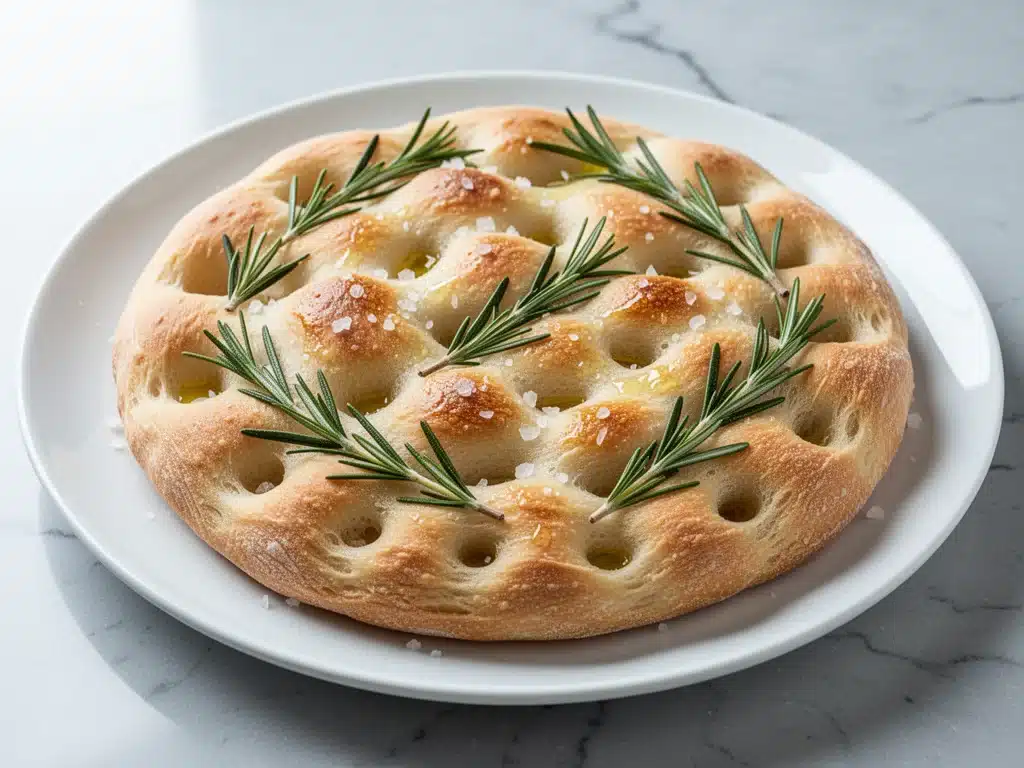
What came out of the oven an hour later wasn’t just bread. It was golden, dimpled, herbaceous perfection. It was beginner-friendly sourdough focaccia with rosemary and sea salt. And honestly? It was the best thing I’d eaten all week. It was crispy on the bottom, pillowy soft on top, and smelled like a fancy Italian bakery that actually had a line out the door.
Since that late-night experiment, I’ve made this sourdough focaccia recipe on repeat. Like, seriously. It’s become my go-to when I want to impress guests without actually trying, or when I just need comfort food that takes zero active effort. You don’t need to be a sourdough pro. You don’t even need a perfect starter. You just need a little patience and some good olive oil.
I’ve tested this recipe at least a dozen times, tweaking the hydration, the rise times, and the topping ratios. This version is the winner. It’s forgiving, it’s delicious, and it’s going to make you feel like a baking wizard. If you’ve been intimidated by sourdough, this is your entry point. Trust me.
Why You’ll Love This Beginner-Friendly Sourdough Focaccia
There are about a million reasons I keep coming back to this recipe, but let’s be real—you’re here because you want bread that actually works, tastes amazing, and doesn’t require a degree in chemistry. Here’s why this sourdough focaccia with rosemary and sea salt has earned a permanent spot in my rotation:
It’s Actually Forgiving
Most sourdough recipes are high-maintenance. They demand precise temperatures, specific flours, and a level of attention that makes me anxious. This focaccia? It’s chill. The high hydration (thanks to that liquid starter) makes the dough sticky and wet, which sounds scary but actually means you can’t overwork it. You literally just mix it and let it do its thing. I’ve made this while watching TV. I’ve made it when I was tired. It still turns out beautiful.
You Can Use Discard
This is the game-changer for starter owners. Usually, discard goes to waste or gets buried in the back of the fridge. This recipe uses it up, giving your starter a second life and saving you money on flour. It adds that subtle tang that makes focaccia taste complex without being sour. It’s win-win.
The Texture is Unreal
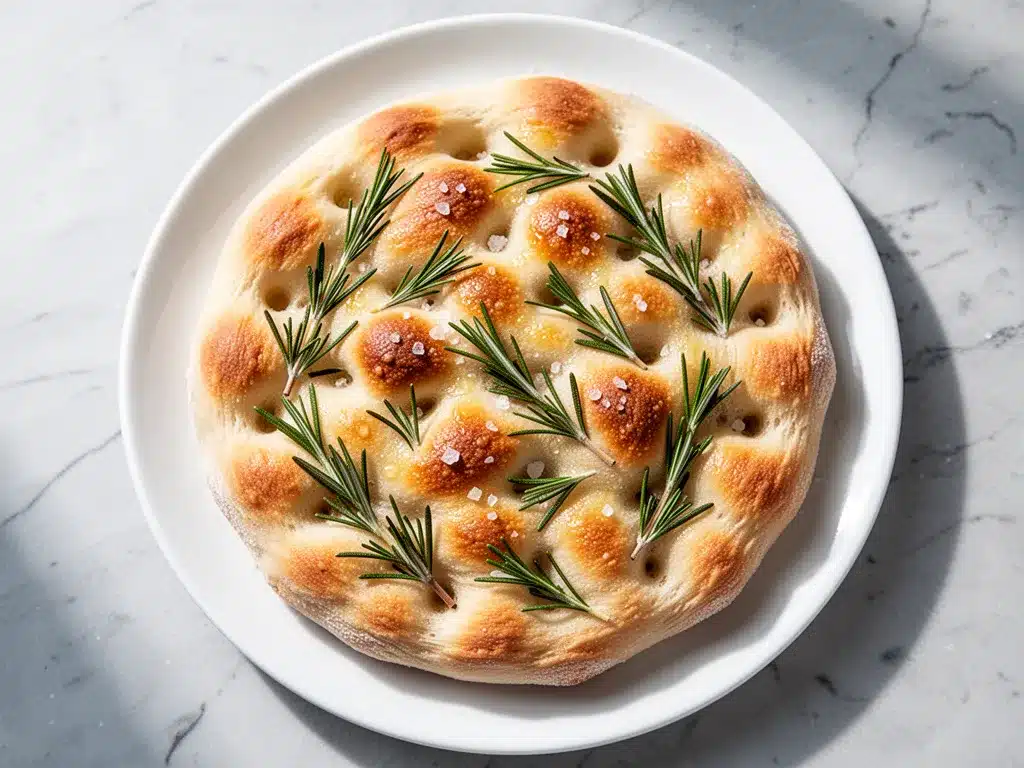
I’m not exaggerating when I say the crumb structure is dreamy. Big, irregular holes. A crust that shatters when you pull it apart. The olive oil pools in those dimples, creating little pockets of savory gold. It’s crispy, chewy, and soft all at once. I’ve served this alongside my creamy Tuscan salmon for dinner parties, and people always ask for the recipe first.
It’s Incredibly Versatile
Yes, rosemary and sea salt are classic for a reason. But once you master the base, you can throw anything on top. Cherry tomatoes, caramelized onions, olives, sharp cheddar… the sky’s the limit. It’s the ultimate canvas for whatever you have in the fridge.
It Freezes Like a Dream
Unlike many artisan breads that go stale in a day, this focaccia stays moist for days if stored properly, and it freezes beautifully. I often bake two sheets at once. One for dinner, one for the freezer. Thawing a slice in the toaster the next morning is a luxury I didn’t know I needed.
Ingredients You’ll Need
Here’s the best part: you probably have most of this already in your pantry. This isn’t a recipe that requires a trip to a specialty store. It’s humble, honest ingredients that work together to create something special.
For the Dough
Active Sourdough Discard (1 cup / 225g) — This is the star. It doesn’t need to be at peak activity; it just needs to be bubbly and active. If your starter is very stiff, add a tablespoon of extra water to the dough to compensate. Liquid discard works best here.
Bread Flour (3 cups / 375g) — I prefer bread flour because of the higher protein content, which helps create those big air pockets. All-purpose flour works too, but the texture will be slightly denser. Don’t use cake flour, please.
Warm Water (1 cup / 240ml) — Room temperature or slightly warm (think bathwater temp). Not hot! You want to keep the yeast happy, not kill it. This helps hydrate the flour and activate the starter.
Olive Oil (3 tablespoons / 45ml) — Use good quality extra virgin olive oil for the dough. It adds flavor and tenderness. I use the same oil for the pan and the topping—it’s non-negotiable.
Fine Sea Salt (2 teaspoons) — I use fine sea salt in the dough so it dissolves evenly. Kosher salt works too, but you might need to adjust the amount slightly.
Instant Yeast (1/2 teaspoon) — I know, purists might gasp. But this is a beginner-friendly recipe. The yeast ensures the rise happens reliably, even if your starter is a bit sluggish. It takes the pressure off. You can omit it if you want 100% sourdough, but the rise will take much longer (12-24 hours in the fridge).
For the Topping
Extra Virgin Olive Oil (1/4 cup / 60ml) — You’ll need a generous amount for dimpling. Don’t skimp. The oil is what makes the crust crispy and golden.
Fresh Rosemary (2 tablespoons, chopped) — Fresh is key here. Dried rosemary gets woody and bitter in this application. If you don’t have fresh, try thyme or oregano, but rosemary is classic.
Flaky Sea Salt (1 tablespoon) — Maldon is my favorite, but any flaky salt works. This goes on AFTER baking (or right at the end) to keep it crunchy. Table salt will just dissolve and disappear.
Garlic Cloves (2-3, thinly sliced) — Optional, but highly recommended. Thin slices of garlic get crispy in the oil and add a savory punch. If you’re sensitive to raw garlic, roast them first.
Equipment Needed
You don’t need fancy equipment for this. Here’s what I actually use in my home kitchen.
9×13 Inch Baking Pan — I use a metal pan. Glass pans heat slower and can result in a softer bottom crust. If you only have glass, lower the oven temp by 25 degrees. A cast iron skillet (10-12 inch) also works great if you want a thicker, chewier focaccia.
Stand Mixer or Large Bowl — I use my stand mixer with the dough hook for the first 5 minutes, then finish by hand. But honestly? A large bowl and your hands work perfectly fine. This dough is wet, so a mixer helps get the initial mix going.
Plastic Wrap or Damp Towel — To cover the dough during rises. Keeps the surface from drying out.
Offset Spatula or Your Fingers — For dimpling. I use my fingers because it’s more intuitive, but a spatula works if you’re worried about sticking.
Parchment Paper — I line my pan with parchment before adding the oil. This makes cleanup a breeze. Focaccia is oily; you don’t want to scrub the pan afterward.
How to Make It: Step-by-Step
Alright, let’s make this! I’m walking you through exactly how I do it, including the little tricks I’ve picked up over the last year.
Step 1: Mix the Dough (10 minutes)
In a large bowl, combine the warm water and sourdough discard. Whisk until smooth. Add the bread flour, olive oil, salt, and instant yeast. Stir with a wooden spoon or spatula until no dry flour remains. It will look shaggy and sticky. This is normal. Don’t panic. If using a stand mixer, mix on low speed for 3-4 minutes. If mixing by hand, just get it combined.
Step 2: First Rise (Bulk Fermentation) (4-6 hours)
Cover the bowl with plastic wrap or a damp towel. Let it sit at room temperature for 4-6 hours. During this time, the dough will expand and become bubbly. Every 30-45 minutes, do a “stretch and fold.” Wet your hands, grab one side of the dough, stretch it up, and fold it over the center. Rotate the bowl and repeat 4-5 times. This builds structure without kneading. By the end, the dough should be jiggly, airy, and almost double in size.
Step 3: Prep the Pan (5 minutes)
Generously coat your 9×13 inch pan with olive oil. Place a sheet of parchment paper in the pan and press it down into the oil. Drizzle more olive oil on top of the parchment. This is crucial—the dough needs to slide around in the oil to create that crispy bottom.
Step 4: Shape and Second Rise (2-3 hours)
Gently transfer the dough into the prepared pan. It will be sticky and wet. Wet your hands again and gently press the dough into the corners. Don’t worry if it tears or looks uneven; it will relax during the rise. Cover loosely with plastic wrap. Let it rise again for 2-3 hours, or until it puffs up and fills the pan. The dough should jiggle like gelatin when you shake the pan. If it’s not there yet, give it another hour.
Step 5: Add Toppings (5 minutes)
Preheat your oven to 425°F (220°C). Once the dough has risen, drizzle the remaining 1/4 cup of olive oil over the top. Use your oiled fingers to press dimples into the dough. Go deep! Don’t be shy. Sprinkle the chopped rosemary, sliced garlic, and flaky sea salt over the top. Press them gently into the dough so they stick.
Step 6: Bake (25-30 minutes)
Place the pan in the preheated oven. Bake for 25-30 minutes, rotating the pan halfway through for even browning. The focaccia should be deep golden brown on top and bottom. If the top is browning too fast, tent it loosely with foil. The bottom should sound hollow when you tap it.
Step 7: Cool and Serve (15 minutes)
Let the focaccia cool in the pan for 5 minutes, then transfer it to a wire rack. This step is hard, but necessary to prevent a soggy bottom. Slice into squares and serve warm. The smell will fill your house, and your family will wonder what happened.
Expert Tips & Tricks
Here’s everything I’ve learned from making this dozens of times. These tips will save you from my mistakes.
Don’t Rush the Rise
This is the most common mistake. If the dough hasn’t doubled and jiggle, it isn’t ready. Rushing the second rise leads to dense, bread-like focaccia instead of airy and pillowy. Patience is your best ingredient here.
Wet Hands are Your Friend
Working with wet dough is annoying if your hands are dry. Keep a bowl of water nearby and wet your hands every time you touch the dough. It prevents sticking and makes shaping much easier.
Oil is Flavor
Don’t use cheap olive oil for the topping. This is the flavor you taste on your tongue. Use something you’d eat on a salad. It makes a huge difference in the final taste.
Adjust for Humidity
If you live in a humid area, your flour might absorb more water. If the dough is too stiff to spread, add a tablespoon of water at a time. If it’s too soupy, add a tablespoon of flour. Trust your eyes, not just the measurements.
Freezing Like a Pro
Let the focaccia cool completely. Wrap tightly in plastic wrap, then in aluminum foil. It freezes for up to 3 months. To reheat, thaw at room temp and warm in a 350°F oven for 10 minutes. Or just eat it cold—it’s still delicious.
Variations & Substitutions
Once you’ve nailed the basic version, here’s how you can mix it up. I’ve tried all of these.
Tomato & Basil
Halve cherry tomatoes and press them into the dough before baking. Sprinkle fresh basil after baking. It’s like a pizza in bread form.
Roasted Garlic & Onion
Sauté thinly sliced red onions and whole garlic cloves in olive oil until soft. Scatter over the dough before the second rise. Sweet and savory perfection.
Cheesy Zucchini
Grate zucchini, squeeze out excess moisture, and mix with mozzarella and parmesan. Spread over the dough. It’s like a savory muffin top.
Spicy Soppressata
Thinly slice spicy salami and scatter over the dough. Add red pepper flakes. Great for game day. Pairs well with my buffalo chicken dip for a party spread.
Gluten-Free Option
Use a 1:1 gluten-free flour blend with xanthan gum. The dough will be stickier, so handle with extra care. Add an extra egg to help bind it.
Serving & Storage
How to Serve: I usually serve this straight from the pan, torn into pieces. It’s rustic and fun. It goes perfectly with soups, salads, or just a glass of red wine.
Storage: Store leftovers in an airtight container at room temperature for up to 2 days. The olive oil keeps it moist. If it starts to dry out, sprinkle a few drops of water on it and microwave for 10 seconds.
Reheating: Warm in a 350°F oven for 5-10 minutes to crisp up the crust. Avoid the microwave unless you’re in a huge rush—it will make the bread chewy.
Nutrition Information
I’m not a nutritionist, but here’s the breakdown if you’re tracking. Note that this is an estimate based on the recipe yielding 12 squares.
- Calories: 280 per square
- Carbs: 32g
- Fat: 14g (mostly from olive oil)
- Protein: 6g
- Fiber: 2g
- Sugar: 1g
Look, this is bread. It’s meant to be enjoyed. The olive oil adds healthy fats, and the sourdough process makes it easier to digest than commercial bread. But it’s still a treat. Pair it with a salad or some veggies to balance the meal.
Final Thoughts
So that’s my go-to beginner-friendly sourdough focaccia with rosemary and sea salt! I’ve probably talked your ear off at this point, but when you make a recipe this often, you have a lot to say about it.
This bread has saved my dinners, my brunches, and my social life. It’s the answer to “what can I bring to the potluck?” or “what do I serve with this soup?” It’s reliable, it’s delicious, and it makes you feel accomplished. My kids are happy, my husband’s happy, and I’m happy because I’m not stressed about cooking.
Make it yours! Try different toppings, swap in your favorite herbs, adjust the garlic. The best recipes are the ones you adapt to your family’s tastes. If you make this, drop a comment and let me know what you think! I love hearing how recipes turn out in your kitchen. And if something doesn’t work, tell me that too—I’m here to help troubleshoot.
Happy baking! And I hope your kitchen smells half as good as mine does right now.
Frequently Asked Questions
Can I use active sourdough starter instead of discard?
Yes! If you have active, fed starter, you can use it. Just reduce the water in the recipe by about 1/4 cup, as the starter is already hydrated. The flavor will be slightly less tangy, but the texture will be similar.
Why is my focaccia dense?
This usually happens if you didn’t let it rise long enough, or if you pressed the air out of the dough during shaping. Be gentle when transferring to the pan. Also, ensure your starter or yeast is active. If your starter is old and dead, it won’t rise.
Can I make this ahead of time?
Yes! After shaping the dough in the pan, cover it tightly and refrigerate overnight (up to 12 hours). Take it out in the morning and let it come to room temperature while your oven preheats. Then add toppings and bake. This is great for meal prep.
Do I have to use rosemary?
No! Rosemary is classic, but you can use thyme, oregano, or just sea salt and garlic. You can also add sun-dried tomatoes, olives, or bacon. Get creative.
How do I store leftovers?
Store in an airtight container at room temperature for up to 2 days. For longer storage, freeze it. Do not refrigerate, as it will make the bread go stale faster.
Can I double this recipe?
Absolutely. Use two 9×13 pans or a large half-sheet pan. Adjust baking time slightly, as thicker dough may take 2-3 minutes longer. Keep an eye on the color.
Why did my focaccia stick to the pan?
You probably didn’t use enough oil or parchment paper. Always line the pan with parchment and use a generous amount of olive oil. If you don’t have parchment, use a lot of oil and flour the pan, but parchment is safer.
Pin This Recipe!
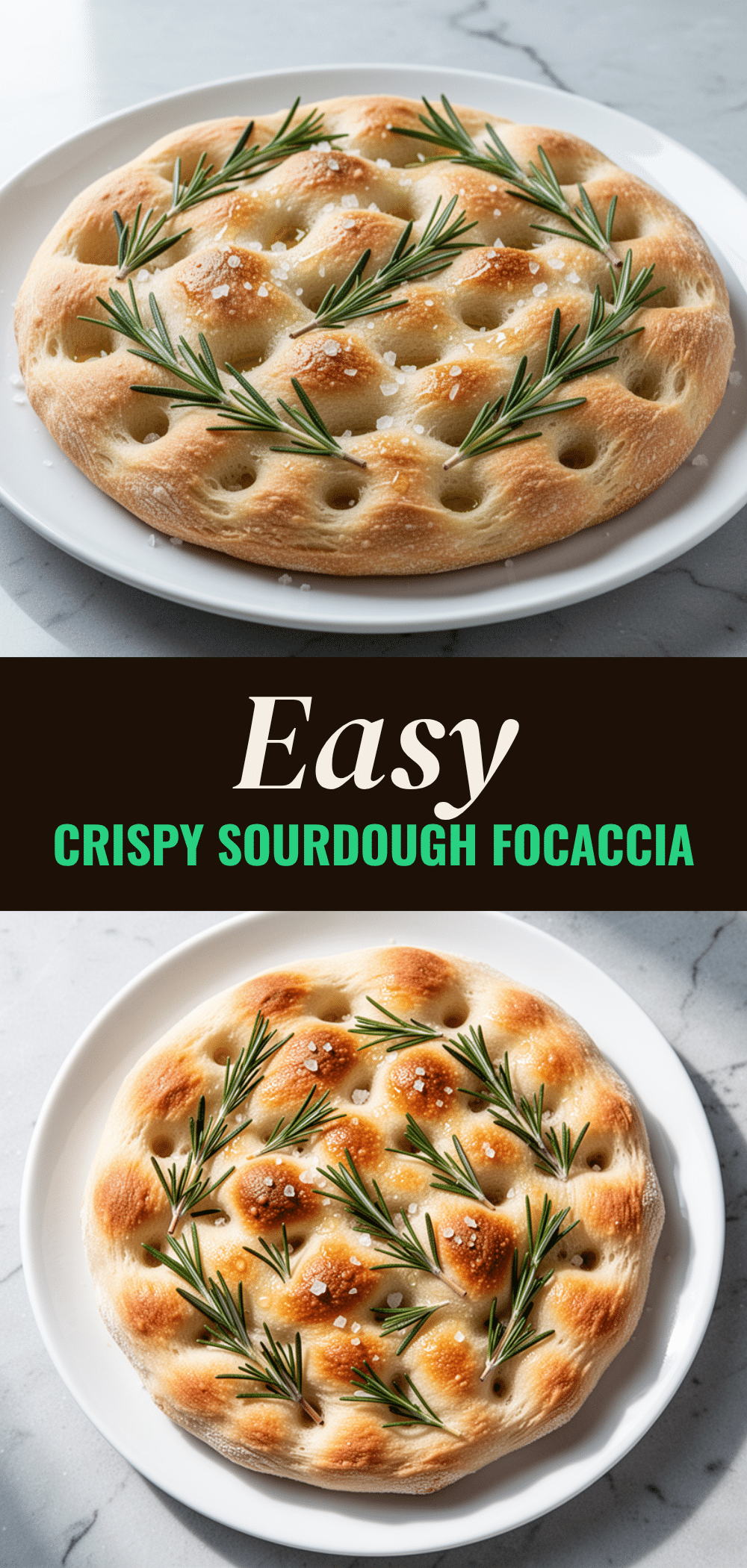

Beginner-Friendly Sourdough Focaccia: The Best Easy Recipe
- Total Time: 45 minutes
- Yield: 12 servings 1x
Description
A forgiving, beginner-friendly sourdough focaccia recipe that uses discard for a crispy, herbaceous loaf with big air pockets. Perfect for impressing guests or enjoying as comfort food with minimal active effort.
Ingredients
- 1 cup (225g) active sourdough discard
- 3 cups (375g) bread flour
- 1 cup (240ml) warm water
- 3 tablespoons (45ml) extra virgin olive oil (for dough)
- 2 teaspoons fine sea salt
- 1/2 teaspoon instant yeast
- 1/4 cup (60ml) extra virgin olive oil (for topping)
- 2 tablespoons fresh rosemary, chopped
- 1 tablespoon flaky sea salt
- 2–3 garlic cloves, thinly sliced (optional)
Instructions
- In a large bowl, combine warm water and sourdough discard. Whisk until smooth.
- Add bread flour, 3 tablespoons olive oil, fine sea salt, and instant yeast. Stir until no dry flour remains; the dough will be shaggy and sticky.
- Cover the bowl with plastic wrap or a damp towel and let it rise at room temperature for 4-6 hours.
- Every 30-45 minutes during the rise, perform a ‘stretch and fold’: wet hands, stretch the dough up, and fold it over the center. Repeat 4-5 times.
- Generously coat a 9×13 inch baking pan with olive oil. Line with parchment paper and drizzle more oil on top.
- Gently transfer the dough to the prepared pan. Wet hands and press the dough into the corners. Cover loosely and let rise for 2-3 hours until puffed and jiggly.
- Preheat oven to 425°F (220°C). Drizzle remaining 1/4 cup olive oil over the dough.
- Use oiled fingers to press deep dimples into the dough. Sprinkle with chopped rosemary, sliced garlic, and flaky sea salt.
- Bake for 25-30 minutes, rotating halfway through, until deep golden brown on top and bottom.
- Cool in the pan for 5 minutes, then transfer to a wire rack to cool completely before slicing.
Notes
Ensure the dough is fully risen and jiggly before baking to avoid dense results. Use good quality olive oil for the topping as it is a primary flavor component. If using glass pans, lower oven temperature by 25°F. This recipe can be made ahead by refrigerating the shaped dough overnight.
- Prep Time: 15 minutes
- Cook Time: 30 minutes
- Category: Side Dish
- Cuisine: Italian
Nutrition
- Serving Size: 1 square
- Calories: 280
- Sugar: 1
- Sodium: 450
- Fat: 14
- Saturated Fat: 2
- Carbohydrates: 32
- Fiber: 2
- Protein: 6
Keywords: sourdough focaccia, sourdough discard recipe, easy bread, rosemary focaccia, beginner baking, Italian bread