It was 7:30 PM on a Tuesday, and I was staring at my phone, thumb hovering over the food delivery app. My husband had mentioned he was craving “seafood pasta,” which is code for “I don’t want to cook, and I hope you don’t either.” We’d been down this road before. We’d ordered from that place downtown—the one with the fancy name and the menu full of words I couldn’t pronounce—and paid $35 for a plate of shrimp that tasted more like butter and regret than actual seafood. The linguine was mushy, the sauce was just oily grease with a hint of lemon zest, and I felt sluggish and guilty an hour later.
I slammed the phone down and marched into the kitchen. I had shrimp in the freezer, a lemon on the counter, and a head of garlic that was practically begging to be crushed. I thought, “How hard can it be? It’s just shrimp, pasta, lemon, and garlic. Right?”
Well, it turns out, it’s not *just* anything. Making shrimp scampi at home is a delicate dance. Get the heat wrong, and you have rubbery, chewy shrimp that no amount of sauce can save. Use too much butter, and it’s a grease bomb. Under-season it, and it tastes bland. But after three failed attempts (yes, I threw three pots of pasta down the garbage disposal—don’t judge me), I cracked the code. I found the sweet spot between rich and bright, between tender and firm, between “easy weeknight dinner” and “I can’t believe I made this myself.”
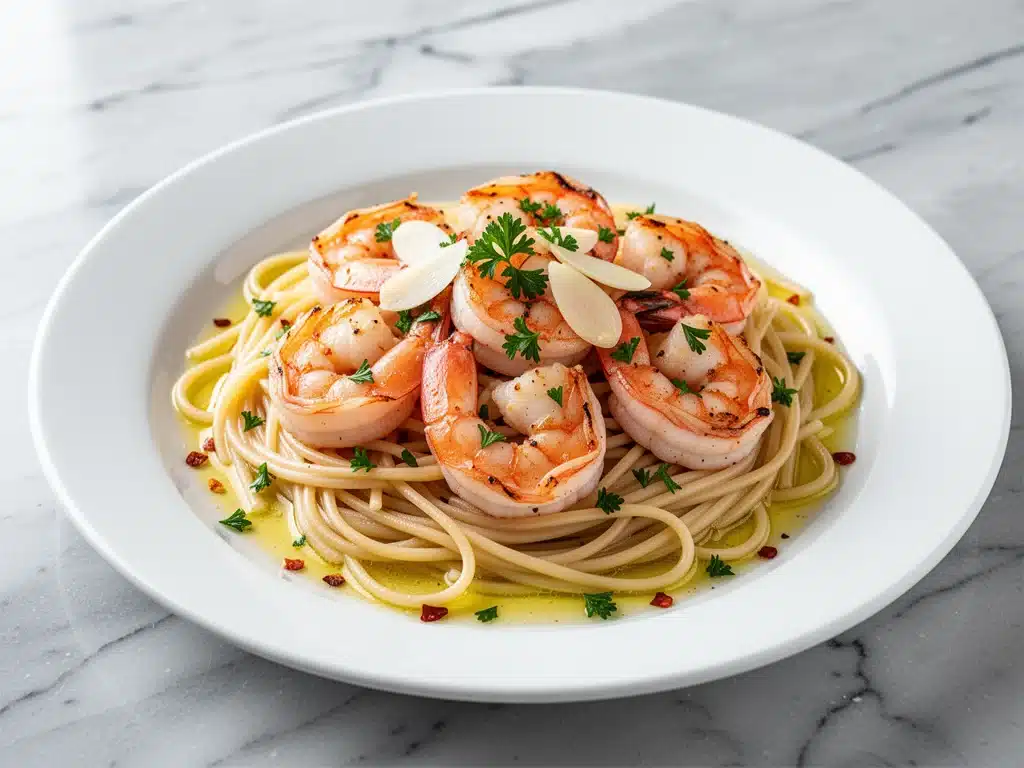
That first successful batch of creamy lemon garlic shrimp scampi over linguine was a revelation. The sauce clung to every noodle. The shrimp were plump and juicy. The lemon cut through the richness so perfectly that I actually felt virtuous eating it. My husband took one bite, looked at me with that “did you order takeout?” expression, and then went back for seconds. Then thirds. That night, I realized I didn’t need to choose between convenience and quality. I could have both.
Now, this creamy lemon garlic shrimp scampi is my secret weapon. When I’m tired, when I’m hosting friends who think I’m a gourmet chef (shh), or when I just want something that tastes like a vacation in a bowl, I make this. It’s faster than waiting for a delivery driver, cheaper than dining out, and infinitely better tasting. I’ve tested this recipe dozens of times, tweaking the ratios of cream to lemon, the type of pasta, and the cooking time for the shrimp, until it was foolproof. And I’m sharing it with you because I want you to feel that same triumph I felt that Tuesday night. You’re going to love this creamy lemon garlic shrimp scampi over linguine. It’s better than takeout, it’s easier than you think, and it’s going to become a staple in your rotation.
Why You’ll Love This Creamy Lemon Garlic Shrimp Scampi
There are a million pasta recipes out there, but this creamy lemon garlic shrimp scampi over linguine stands out for a few specific reasons. It’s not just another white sauce pasta. It’s bright, it’s fresh, and it comes together in the time it takes to boil water. Here’s why this recipe has earned a permanent spot in my weekly meal plan:
- Under 30 Minutes from Start to Finish — Seriously. I’m talking about a dish that goes from frozen freezer to finished plate in less than half an hour. The shrimp cook in minutes, the sauce whips up while the pasta boils, and you’re eating before you even realize you started cooking. This is my go-to when I walk in the door at 6:30 PM and realize I haven’t planned dinner.
- Bright, Not Heavy — A lot of cream-based pastas feel like a brick in your stomach. This one? It’s light. The acidity from the fresh lemon juice and zest cuts through the cream and butter, making it feel refreshing even though it’s indulgent. It’s the kind of meal that leaves you satisfied but not sluggish.
- Pantry-Friendly Ingredients — You probably have 90% of this already. Shrimp, linguine, butter, cream, garlic, lemon. That’s it. No fancy grocery runs needed. If you have a frozen bag of shrimp and a lemon, you can make dinner tonight.
- Restaurant-Quality Flavor at Home — The secret is in the technique: deglazing the pan with white wine (or broth) to lift those browned bits of garlic and butter, then emulsifying the cream into that flavorful base. It creates a sauce that tastes like it took hours to reduce, but only took minutes to make. My friends always ask what the “special ingredient” is, and it’s just good technique.
- Perfect for Leftovers (Sort Of) — I know, I know. Pasta with seafood doesn’t always reheat perfectly. But this creamy lemon garlic shrimp scampi over linguine holds up surprisingly well if you reheat it gently with a splash of milk or cream. It’s not my favorite for meal prep, but it’s great for a late-night snack the next day.
This recipe is my answer to “what’s for dinner?” when I want something that feels fancy but requires zero effort. It’s comforting, it’s delicious, and it makes your kitchen smell like a high-end Italian restaurant. Trust me, once you make this, you’ll never order takeout shrimp scampi again.
Ingredients You’ll Need for Creamy Lemon Garlic Shrimp Scampi
This looks like a simple list, but the quality of each ingredient matters more here than in most pasta dishes. Since there are fewer components, each one has to shine. Here’s exactly what you need and why I’m particular about them.
For the Shrimp and Base
Large shrimp (1 pound / 450g) — Peel and deveined. I always buy the “large” or “extra-large” size (41-50 count per pound). Small shrimp get lost in the sauce and overcook instantly. Look for ones that are grayish-blue and translucent, not white. White shrimp are already cooked and will be rubbery. If you can find wild-caught, even better, but farmed works fine. Thaw them completely in cold water before cooking.
Linguine (12 ounces / 340g) — I prefer bronze-die extruded pasta like De Cecco or Barilla. It has a rougher surface that grabs the sauce better. Semolina pasta is traditional, but linguine is the classic choice for scampi. Spaghetti works, but it’s harder to twirl with the creamy sauce. Fusilli is fun but changes the vibe. Stick with linguine for the authentic experience.
Unsalted butter (4 tablespoons / 55g) — This is your flavor base. Use real butter, not margarine. The milk solids in butter help create that nutty, toasted flavor when you sauté the garlic. I use Kerrygold or Plugrá. If you’re using salted butter, reduce the added salt in the recipe by half.
Extra-virgin olive oil (2 tablespoons / 30ml) — I mix butter and oil because butter burns at lower temperatures. The oil raises the smoke point, allowing you to get a nice sear on the shrimp without burning the butter. Use a good quality oil here—it adds a fruity note that complements the lemon.
For the Sauce
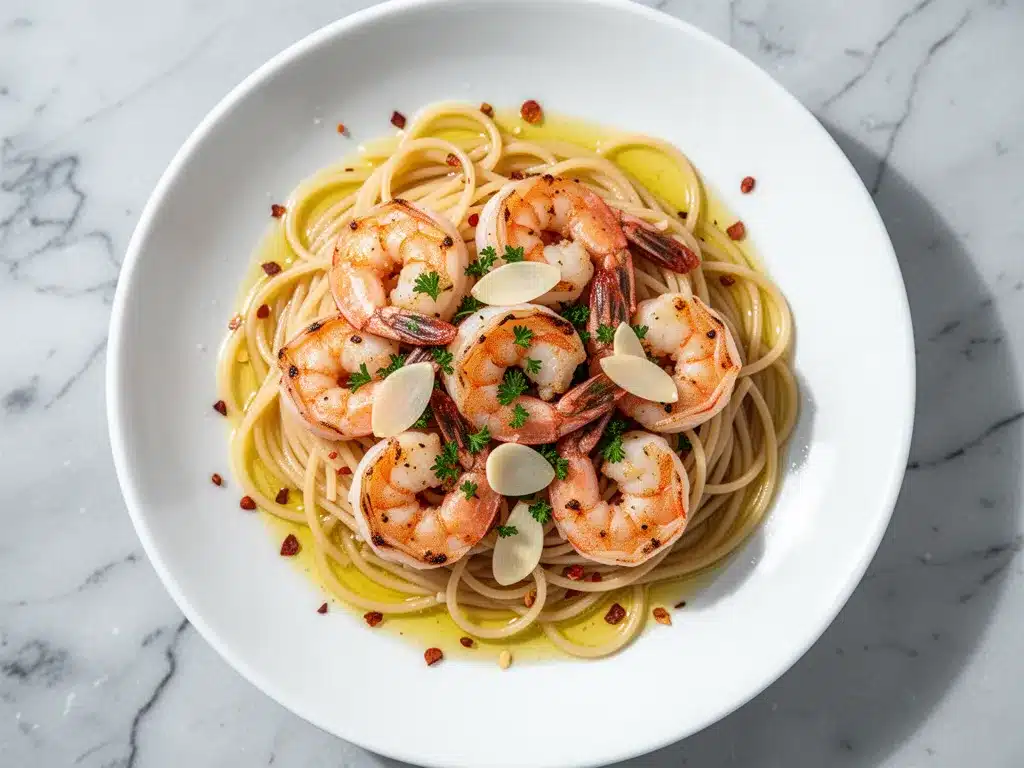
Garlic (6 cloves, minced / about 2 tablespoons) — Yes, six cloves. Don’t be shy. This is garlic scampi, after all. Fresh garlic is non-negotiable. Jarred garlic has a sulfurous, metallic taste that ruins the delicate sauce. If you’re worried about chopping, buy pre-peeled cloves in the produce section, but mince them yourself. You want small, even pieces so they don’t burn.
White wine (½ cup / 120ml) — Dry white wine like Sauvignon Blanc, Pinot Grigio, or a dry Riesling. Do not use “cooking wine” from the vinegar aisle. It’s full of salt and preservatives. If you don’t drink alcohol, substitute with low-sodium chicken broth plus 1 tablespoon of lemon juice or white wine vinegar. The wine deglazes the pan and adds acidity.
Heavy cream (½ cup / 120ml) — Full-fat cream is essential for that luxurious, velvety texture. Half-and-half is too thin and will break. Whole milk won’t work—it’ll be watery. I use heavy cream because it stays stable and creates a sauce that coats the back of a spoon. If you want a lighter version, you can try coconut cream, but the flavor profile changes.
Fresh lemon (2 lemons) — You need both the zest and the juice. Zest from one lemon adds aromatic oils without extra acidity. Juice from both lemons (about ¼ cup / 60ml) provides the bright, tangy kick that balances the richness. Use fresh lemons only. Bottled lemon juice tastes like cleaning product and will make the dish sour and flat.
For the Finish
Fresh parsley (¼ cup, chopped / about 15g) — Flat-leaf Italian parsley. It has a cleaner, brighter flavor than curly parsley. It adds a pop of green and freshness to the rich sauce. Don’t skip it—it’s the visual and flavor finisher.
Red pepper flakes (½ teaspoon) — Optional, but I recommend it. Just a pinch adds a subtle warmth that keeps the dish from being one-note. If you’re sensitive to spice, start with ¼ teaspoon.
Salt and black pepper — To taste. I use kosher salt like Diamond Crystal. Sea salt works too. Freshly cracked black pepper adds a nice bite.
Parmesan cheese (optional, ¼ cup / 25g) — Some people add Parmesan to shrimp scampi, and I’m divided. I think the lemon and garlic are the stars, and cheese can mask that. But if you love cheesy pasta, add ¼ cup of freshly grated Parmesan at the end. It adds umami and saltiness. If you do, reduce the added salt.
Equipment Needed
You don’t need a fancy kitchen to make this. Here’s what I actually use:
Large skillet or sauté pan (12-inch) — This is your main stage. You need enough surface area to cook the shrimp in a single layer. If you crowd the pan, the shrimp steam instead of sear, and you lose that golden color. A stainless steel or cast-iron skillet is best for heat control. Non-stick works if you’re careful, but you won’t get the same fond (browned bits) for the sauce.
Large pot for pasta — Standard stuff. 4-6 quarts. Make sure it’s big enough for the linguine to swim.
Colander — For draining the pasta. Or just use the pot lid if you’re feeling lazy.
Zester or microplane — For the lemon zest. A regular grater works, but a microplane gives you fine, fluffy zest that melts into the sauce better.
Measuring cups and spoons — For the cream, wine, and lemon juice. Precision matters here.
Wooden spoon or silicone spatula — For stirring. Metal can scratch your pan if you’re using non-stick.
How to Make It: Step-by-Step
Alright, let’s get cooking. I’m walking you through exactly how I do it, including the little tricks that make the difference between good and great.
Step 1: Prep the Shrimp (5 minutes)
If your shrimp are frozen, thaw them first. Put them in a colander and run cold water over them for 5-10 minutes until they’re flexible and no longer icy. Pat them DRY with paper towels. This is crucial. Wet shrimp steam instead of sear. If they’re wet, they’ll release water into the pan and your sauce will be soupy. Season the dried shrimp with salt and pepper. Set aside.
Step 2: Cook the Linguine (8-10 minutes)
Bring a large pot of salted water to a boil. The water should taste like the ocean—use about 1 tablespoon of salt per pound of pasta. Add the linguine and cook according to package directions until al dente (usually 8-10 minutes). IMPORTANT: Before draining, scoop out 1 cup of pasta water and set it aside. This starchy water is magic for emulsifying the sauce. Drain the pasta and set aside. Do not rinse it!
Step 3: Sauté the Garlic (2 minutes)
While the pasta cooks, heat the olive oil and butter in your large skillet over medium heat. Once the butter is melted and foaming, add the minced garlic and red pepper flakes. Stir constantly for about 60-90 seconds. The garlic should become fragrant and just start to turn golden at the edges. Do not let it brown! Brown garlic tastes bitter. If it starts to smell like it’s burning, immediately lower the heat.
Step 4: Sear the Shrimp (3-4 minutes)
Increase the heat to medium-high. Add the shrimp in a single layer. If your pan is small, do this in two batches. Cook for 1-2 minutes per side, until they turn pink and opaque. They should be just barely cooked through—remember, they’ll cook more in the sauce. Remove the shrimp to a clean plate. Do not leave them in the hot pan, or they’ll overcook and become rubbery.
Step 5: Deglaze and Make the Sauce (3 minutes)
Reduce heat to medium. Pour in the white wine to deglaze the pan. Use your wooden spoon to scrape up all those browned bits (fond) from the bottom of the pan. Those bits are flavor gold. Let the wine simmer for 2 minutes to cook off the alcohol and reduce slightly. Then, pour in the heavy cream and lemon zest. Stir well and let it simmer for 2-3 minutes until it thickens slightly. It should coat the back of a spoon.
Step 6: Combine and Finish (2 minutes)
Return the shrimp and any accumulated juices to the pan. Add the drained linguine. Toss everything together over low heat for 1 minute. If the sauce is too thick, add a splash of that reserved pasta water. If it’s too thin, let it simmer for another minute. Stir in the fresh lemon juice and chopped parsley. Taste and adjust salt and pepper as needed.
Step 7: Serve Immediately
Serve right away on warm plates. Top with extra parsley, a crack of black pepper, and lemon wedges on the side. If you’re using Parmesan, sprinkle it on now. Enjoy while it’s hot and creamy.
Expert Tips & Tricks
Here’s everything I’ve learned from making this dozens of times. These tips will save you from my mistakes.
Don’t Overcook the Shrimp
This is the #1 mistake people make. Shrimp cook incredibly fast. They go from raw to rubbery in seconds. As soon as they turn pink and opaque, they’re done. They’ll continue cooking slightly from residual heat, so pull them off the heat a touch early. If you’re unsure, check one: it should be firm but still slightly springy, not hard.
Save That Pasta Water
I can’t stress this enough. That starchy water is what binds the sauce to the pasta. Without it, you have creamy sauce pooling at the bottom of the bowl and dry noodles on top. Add it a little at a time until the sauce reaches a silky, clingy consistency.
Use Fresh Lemon, Always
Bottled lemon juice is a game-ruiner. It tastes flat and artificial. Fresh lemon juice has volatile oils and brightness that elevate the dish. Squeeze it yourself. If you’re worried about seeds, use a small strainer.
Control the Heat
Garlic burns easily. Butter burns easily. Cream can separate if boiled too hard. Keep your heat at medium or medium-low when making the sauce. Gentle simmering is key for a smooth, emulsified sauce.
Room Temperature Cream
Adding cold cream to a hot pan can sometimes cause it to split. Take your cream out of the fridge 15 minutes before cooking. If you forget, warm it slightly in the microwave. It helps the sauce stay smooth.
Variations & Substitutions
Once you’ve nailed the basic version, here’s how you can mix it up. I’ve tried all of these.
Spicy Shrimp Scampi
Add 1 teaspoon of crushed red pepper flakes or a diced jalapeño with the garlic. For a smoky kick, add ½ teaspoon of smoked paprika.
Herb-Forward
Add 2 tablespoons of fresh thyme or oregano with the parsley. Or use basil instead of parsley for a more Italian vibe.
Veggie-Loaded
Sauté some sliced mushrooms or asparagus with the garlic before adding the shrimp. The veggies add texture and nutrition.
Lighter Version
Use half-and-half instead of heavy cream, and reduce the butter to 2 tablespoons. It’s still creamy but lighter. I make this when I’m watching my calories.
Gluten-Free
Use gluten-free linguine. Everything else is naturally gluten-free. I’ve used Barilla gluten-free and it works well. Just be careful not to overcook it—it breaks easier than regular pasta.
Dairy-Free
Replace butter with olive oil, and heavy cream with full-fat coconut cream. The flavor will be slightly different (coconutty), but it’s still delicious. Add extra lemon to balance the coconut.
Serving & Storage
How to Serve: I usually serve this straight from the skillet at the dinner table. It looks rustic and stays warm. Pair it with a simple green salad with vinaigrette, garlic bread, or roasted asparagus. A glass of crisp Sauvignon Blanc or Pinot Grigio is perfect here.
Refrigerator: Store leftovers in an airtight container for up to 2 days. The sauce will thicken in the fridge. This is normal.
Reheating: Reheat gently in a skillet over low heat with a splash of milk, cream, or water. Stir frequently until warmed through. Do not microwave—it tends to make the shrimp rubbery and the sauce grainy. If you must microwave, do it in 30-second bursts, stirring in between, and add a splash of liquid.
Freezing: I don’t recommend freezing this. The cream sauce separates when thawed, and the shrimp become mushy. It’s best made fresh.
Nutrition Information
I’m not a nutritionist, but here’s the breakdown if you’re tracking. These are estimates per serving (based on 4 servings).
| Nutrient | Amount |
|---|---|
| Calories | 620 |
| Protein | 32g |
| Carbs | 65g |
| Fiber | 3g |
| Fat | 24g |
| Saturated Fat | 12g |
| Cholesterol | 180mg |
| Sodium | 580mg |
This is a richer dish due to the cream and butter, but it’s balanced by the lean protein from the shrimp and the carbs from the pasta. It’s comfort food, not diet food. Enjoy it in moderation!
Final Thoughts
So that’s my creamy lemon garlic shrimp scampi over linguine! It’s a dish that’s taken me from frustrated takeout-orderer to confident home cook. It’s fast, it’s flavorful, and it makes you feel like a gourmet chef without the stress. I’ve made this for date nights, for busy weeknights, and for impromptu dinner parties. It never fails to impress.
Make it yours! Add more lemon if you love it bright, more garlic if you love it pungent, more shrimp if you’re really hungry. The best recipes are the ones you adapt to your tastes. If you make this, drop a comment and let me know how it turned out. I love hearing from you!
Happy cooking! I hope your kitchen smells amazing tonight.
Frequently Asked Questions
Can I use frozen shrimp?
Yes, but you must thaw them completely first. Put them in a colander and run cold water over them for 5-10 minutes. Then pat them VERY dry with paper towels. Wet shrimp will steam instead of sear, and your sauce will be watery. If you cook them frozen, they’ll release too much water and become rubbery.
What wine should I use?
Use a dry white wine that you would drink. Sauvignon Blanc, Pinot Grigio, or a dry Riesling work best. Avoid “cooking wine” from the vinegar aisle—it’s full of salt and additives. If you don’t drink alcohol, use chicken broth plus 1 tablespoon of lemon juice or white wine vinegar.
Why did my sauce break or separate?
This usually happens if the heat was too high when you added the cream, or if you boiled it vigorously. Cream can separate if overheated. Keep the heat at medium-low when adding the cream, and let it simmer gently. If it does separate, whisk in a splash of cold water or cream to try to bring it back together.
Can I use spaghetti instead of linguine?
Absolutely. Spaghetti is a common substitute and works well. The sauce will cling to it nicely. Just be aware that linguine is flat, which is traditional for scampi, but spaghetti is perfectly fine if that’s what you have.
How do I prevent the garlic from burning?
Garlic burns quickly because it’s small and has little fat content. Keep the heat at medium, not high. Stir constantly. If you see it turning brown, remove the pan from the heat immediately. Better to have slightly undercooked garlic than bitter burnt garlic.
Can I make this ahead of time?
I don’t recommend making the whole dish ahead because the pasta will absorb the sauce and become mushy. However, you can make the sauce ahead and store it in the fridge for up to 2 days. Reheat it gently, cook the pasta fresh, and combine them. This saves time on busy nights.
Pin This Recipe!
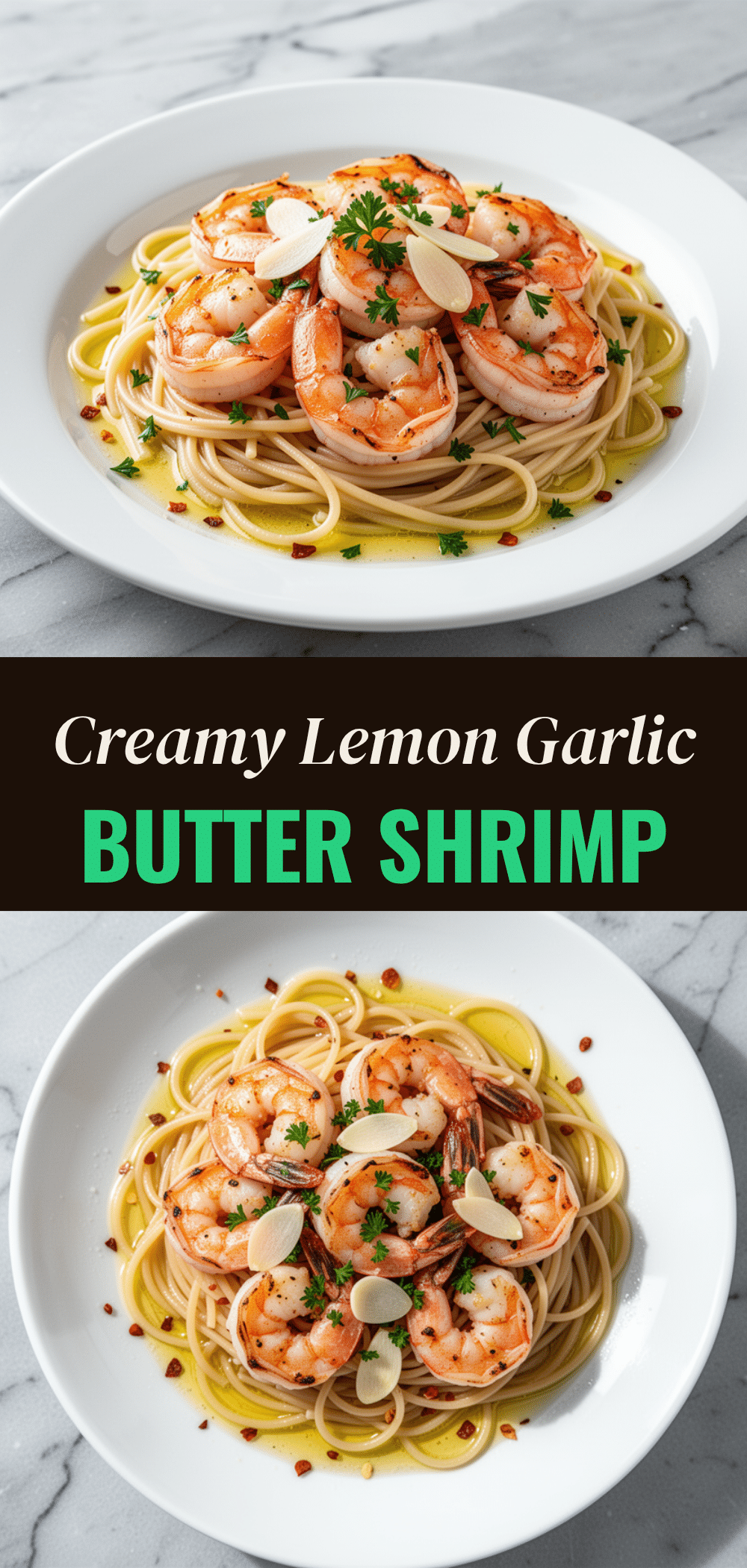
Creamy Lemon Garlic Shrimp Scampi
- Total Time: 25 minutes
- Yield: 4 servings 1x
Description
A quick, restaurant-quality weeknight dinner featuring plump shrimp in a bright, velvety sauce of lemon, garlic, and cream served over linguine.
Ingredients
- 1 pound large shrimp, peeled and deveined
- 12 ounces linguine
- 4 tablespoons unsalted butter
- 2 tablespoons extra-virgin olive oil
- 6 cloves garlic, minced
- 1/2 cup dry white wine (such as Sauvignon Blanc or Pinot Grigio)
- 1/2 cup heavy cream
- 2 lemons (zest of 1, juice of 2)
- 1/4 cup fresh parsley, chopped
- 1/2 teaspoon red pepper flakes
- Salt and black pepper to taste
- 1 cup reserved pasta water
- 1/4 cup Parmesan cheese, optional
Instructions
- Thaw frozen shrimp if necessary, then pat them completely dry with paper towels. Season with salt and pepper.
- Bring a large pot of salted water to a boil. Cook linguine until al dente. Reserve 1 cup of pasta water before draining.
- Heat olive oil and butter in a large skillet over medium heat. Add minced garlic and red pepper flakes, stirring constantly for 60-90 seconds until fragrant but not browned.
- Increase heat to medium-high. Add shrimp in a single layer and cook for 1-2 minutes per side until pink and opaque. Remove shrimp to a plate.
- Reduce heat to medium. Pour in white wine to deglaze the pan, scraping up browned bits. Simmer for 2 minutes.
- Stir in heavy cream and lemon zest. Simmer for 2-3 minutes until the sauce thickens slightly.
- Return shrimp and any juices to the pan. Add drained linguine and toss over low heat for 1 minute. Add pasta water as needed to adjust consistency.
- Stir in fresh lemon juice and parsley. Taste and adjust seasoning. Serve immediately with optional Parmesan.
Notes
Do not overcook the shrimp as they will become rubbery. Save the starchy pasta water to help emulsify the sauce. Use fresh lemon juice only; bottled juice will ruin the flavor. If using salted butter, reduce added salt. This dish is best made fresh as it does not freeze well.
- Prep Time: 5 minutes
- Cook Time: 20 minutes
- Category: Main Course
- Cuisine: Italian
Nutrition
- Serving Size: 1 plate
- Calories: 620
- Sugar: 2
- Sodium: 580
- Fat: 24
- Saturated Fat: 12
- Carbohydrates: 65
- Fiber: 3
- Protein: 32
Keywords: shrimp scampi, creamy pasta, lemon garlic shrimp, weeknight dinner, easy seafood, linguine recipe