Last month, I was staring at my grocery receipt and nearly dropped my coffee mug. The total? $87. And half of that was just for proteins and veggies that my husband needed to keep his blood sugar stable. We’ve been navigating a diabetic-friendly diet for three years now, and let’s be real: it doesn’t get cheaper or easier over time. In fact, it gets harder because the “diet” aisle in the supermarket is basically a trap for your wallet.
I was feeling defeated, sitting at the kitchen table, looking at a fridge full of random leftovers and wondering what on earth we were going to eat that was both healthy and didn’t taste like cardboard. That’s when I remembered a trick I’d learned from a nutritionist friend: salmon isn’t just good for you; it’s actually one of the most cost-effective proteins if you know how to buy and prep it. Plus, it cooks so fast that I can have dinner on the table before my kids even finish their homework.
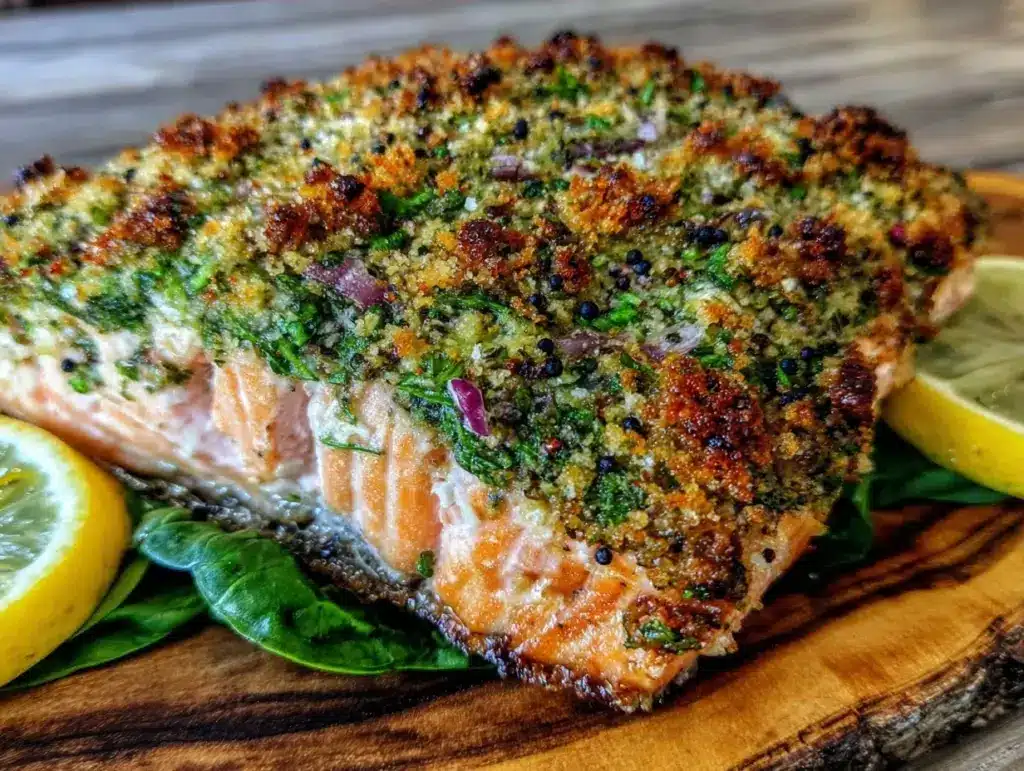
So I threw together this diabetic-friendly baked salmon with dijon herb crust. I didn’t have fancy ingredients. I just had some salmon fillets on sale, a jar of dijon mustard sitting in the back of my fridge, and some dried herbs that had been gathering dust. I expected it to be okay. Maybe even good. But what came out of the oven? Absolutely stunning. It looked like something from a high-end restaurant, but it cost me less than $12 to feed four people. My husband took one bite and said, “This is actually really good. And I don’t feel like I’m on a diet.”
That’s the moment this recipe stuck. It’s become our go-to weeknight dinner because it’s fast, it’s cheap, and it keeps everyone happy. If you’re looking for a way to eat well without breaking the bank or spending hours in the kitchen, this is it. I’ve tested this at least ten times now, tweaking the herb ratio and the cooking time, and I’m confident this is the best version yet.
Why You’ll Love This Recipe
There are about a dozen reasons I keep making this diabetic-friendly baked salmon with dijon herb crust, but here are the big ones that actually matter to a busy parent.
- Stupid Simple — Seriously, if you can mix two ingredients in a bowl, you can make this. I’ve had my ten-year-old help me assemble the crust before. It’s just mustard and herbs. No complex techniques, no fancy equipment.
- Lightning Fast — 20 minutes from start to finish. I know, I said 30 in the title to be safe, but the oven does the work. I’m talking 5 minutes of prep and 15 minutes of baking. I make this on nights when I’m exhausted and just want to sit down.
- Budget-Smart — Salmon can be expensive, but you don’t need the fancy wild-caught Alaskan stuff for this. I use the store-brand Atlantic salmon fillets when they’re on sale. They’re tender, flaky, and perfect for baking. Feeds 4 for under $15.
- Blood Sugar Friendly — No sugary glazes, no honey, no maple syrup. Just savory, herby goodness. This is huge for us because we’re trying to avoid sugar spikes. It’s also low-carb, which fits into almost any healthy eating plan.
- Makes Amazing Leftovers — I deliberately make extra. Cold salmon on a salad is amazing, and I also flake it into my kids’ lunchboxes. It stays moist for days if you store it right.
- Kid-Approved — I know what you’re thinking: “Kids hate salmon.” Maybe. But they love this crust. The dijon adds a tangy zing that masks the “fishy” taste some people dislike. Even my picky eater asks for seconds.
This is my answer to “what’s for dinner” when I need something healthy, cheap, and fast. No stress, no takeout, just reliable, delicious food.
Ingredients You’ll Need
Here’s the best part: you probably have most of this already. I’m particular about three things here, but honestly, this is very forgiving. I’ll tell you exactly why.
For the Salmon
Skin-on salmon fillets (4 pieces, about 6oz each / 680g) — Skin-on is cheaper and keeps the fish moist. Plus, it’s easier to remove after cooking. Look for fillets that are roughly the same thickness so they cook evenly. If they’re super thin, you’ll need to watch the oven closely.
Butter or olive oil (1 tablespoon / 15ml) — I use butter for flavor, but olive oil works too. Just a little bit to keep the salmon from sticking to the pan.
For the Dijon Herb Crust
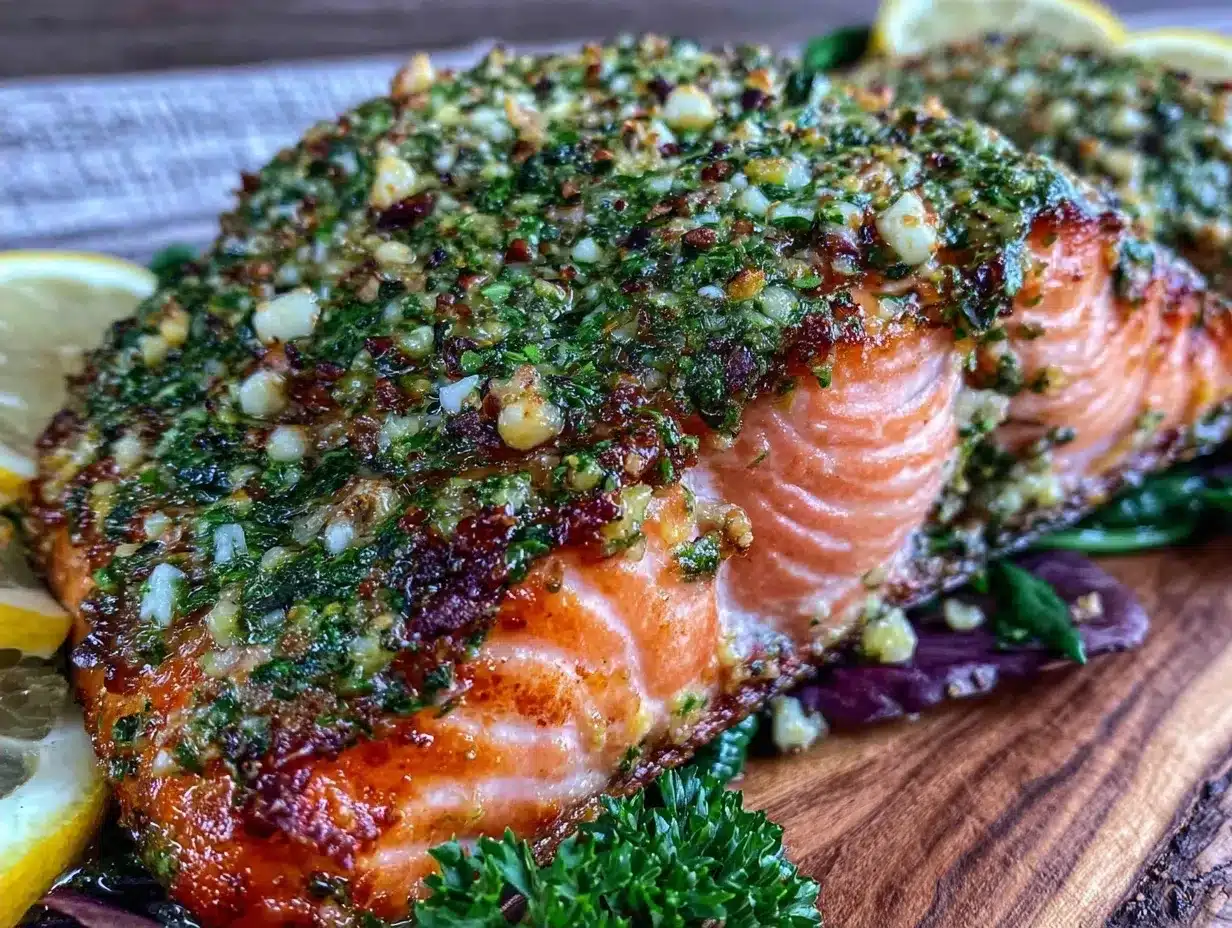
Dijon mustard (2 tablespoons / 30g) — This is the star. Don’t use the cheap yellow mustard. You need the tangy, grainy stuff. It adds depth without any sugar. I use Grey Poupon or a store-brand dijon that’s similar.
Dried dill (1 teaspoon / 1g) — Dill and salmon are best friends. If you don’t like dill, you can swap it for parsley, but dill gives it that classic salmon flavor.
Dried parsley (1 teaspoon / 1g) — Adds color and a mild flavor. If you don’t have dried parsley, use more dill or even dried basil.
Garlic powder (½ teaspoon / 1g) — Fresh garlic can burn in the oven, so garlic powder is safer here. It gives a nice aromatic background.
Onion powder (½ teaspoon / 1g) — Adds savory depth. Again, powder is better than fresh here to avoid burning.
Sea salt (½ teaspoon / 3g) — Adjust to taste. Salmon can handle a good amount of salt, but go easy if you’re watching sodium.
Black pepper (¼ teaspoon / 0.5g) — Freshly cracked is best, but ground pepper works fine.
Pantry Staples
Lemon (1 lemon) — For squeezing over the top after baking. It brightens everything up. I usually squeeze half while it’s hot and half when it’s on the plate.
Garlic bread or roasted veggies — For serving. I’ll link to some easy sides below.
Equipment Needed
You don’t need fancy equipment for this. Here’s what I actually use.
Baking sheet — I use a standard half-sheet pan. Line it with parchment paper for easy cleanup. I hate scrubbing baked-on fish grease.
Small bowl — For mixing the crust. A ramekin or even a small cup works.
Pastry brush or spoon — To spread the mustard mixture. A spoon works fine if you don’t have a brush.
Spatula — For flipping the salmon if you want to get the crust on both sides (optional, but I like it).
Tongs — For moving the fish around. Metal tongs are fine since the fish is on a lined sheet.
How to Make It: Step-by-Step
Alright, let’s make this! I’m walking you through exactly how I do it, including the little tricks I’ve picked up.
Step 1: Prep the Oven and Pan (5 minutes)
Preheat your oven to 400°F (200°C). This needs to be hot enough to cook the salmon quickly without drying it out. Line your baking sheet with parchment paper. I don’t bother with foil because parchment is easier to clean and doesn’t stick.
Step 2: Prep the Salmon (2 minutes)
Rinse the salmon fillets under cold water and pat them completely dry with paper towels. This is crucial. If the salmon is wet, the crust won’t stick. Place them on the prepared baking sheet, skin-side down. If the fillets are uneven, tuck the thinner ends under so they cook more evenly.
Step 3: Make the Crust (2 minutes)
In a small bowl, mix the dijon mustard, dried dill, parsley, garlic powder, onion powder, salt, and pepper. It should look like a thick, greenish paste. Taste it—it should be tangy and herby. If you want more kick, add a pinch of red pepper flakes.
Step 4: Apply the Crust (2 minutes)
Spread the mixture evenly over the top of each salmon fillet. Don’t worry about getting it on the sides; the top is what matters. The mustard acts as a glue, so the herbs will stick during baking. If you want extra flavor, you can brush a little melted butter or olive oil over the crust before baking.
Step 5: Bake (12-15 minutes)
Place the baking sheet in the preheated oven. Bake for 12-15 minutes. The exact time depends on the thickness of your fillets. You’ll know it’s done when the salmon flakes easily with a fork and the crust is lightly golden. Don’t overcook it! Salmon dries out quickly. I usually check at 12 minutes.
Step 6: Rest and Serve (3 minutes)
Remove the salmon from the oven and let it rest for 2-3 minutes. This allows the juices to redistribute. Squeeze fresh lemon juice over the top. Serve immediately with your favorite low-carb sides.
Total Time: About 20 minutes (5 minutes active, 15 minutes baking)
Expert Tips & Tricks
Here’s everything I’ve learned from making this dozens of times. These tips will save you from my mistakes.
Don’t Overcook It — This is the #1 mistake. Salmon continues to cook even after you take it out of the oven. Pull it when it’s just barely opaque in the center. It will finish cooking on the plate. Overcooked salmon is dry and sad. Undercooked salmon is safe and delicious.
Pat It Dry — I can’t stress this enough. Wet salmon = no crust. Use paper towels and be thorough. If you’re short on time, at least pat it well.
Use Store-Bought Dijon — You don’t need to make your own mustard. The jarred stuff is perfect. It’s already seasoned and has the right consistency. I save money by buying the large jars.
Add Fresh Herbs if You Have Them — If you have fresh dill, use 1 tablespoon chopped instead of 1 teaspoon dried. It makes a huge difference. But dried works fine if that’s all you have.
Double the Batch — Salmon is often sold in packs of 4 or 6. If you have a bigger pan, double the recipe. The cooking time stays the same. I do this for meal prep.
Common Mistakes
- Crust falling off: Make sure the salmon is dry before applying. Also, don’t flip the fish too early. Let it set in the oven for 5 minutes before touching it.
- Sauce too thin: If your mustard is runny, add more herbs to thicken it. You want a paste, not a sauce.
- Garlic burning: If you use fresh garlic, it will burn. Stick to garlic powder for this recipe.
Variations & Substitutions
Once you’ve nailed the basic version, here’s how you can mix it up. I’ve tried all of these.
Spicy Version — Add ½ teaspoon cayenne pepper or red pepper flakes to the crust. Great if you like heat.
Herb Garden — Swap dill for tarragon or chives. Tarragon gives it a French vibe. Chives add a mild onion flavor.
Lemon Pepper — Skip the dijon and use lemon pepper seasoning. It’s simpler but still delicious.
Gluten-Free — This recipe is naturally gluten-free. Just make sure your dijon mustard doesn’t have added wheat (most don’t, but check the label).
Dairy-Free — Skip the butter brush. Use olive oil instead. The rest is dairy-free.
Other Proteins — You can use this same crust on cod, tilapia, or even chicken breasts. Just adjust cooking time accordingly. Chicken breasts take 20-25 minutes at 400°F.
Serving & Storage
How to Serve: I usually serve this straight from the baking sheet at the dinner table—it looks rustic and stays warm. But here are other ways I’ve enjoyed it:
Side Dishes:
- Steamed broccoli with lemon
- Roasted asparagus
- Cauliflower rice (great for low-carb)
- Green salad with vinaigrette
Toppings Bar: When I have guests, I put out: extra lemon wedges, fresh dill, capers, and sliced red onion. Everyone customizes their bowl.
Storage Instructions:
Refrigerator: Store in an airtight container for up to 3 days. The crust might get soft, but the flavor stays good.
Reheating: Best method: Reheat in the oven at 350°F for 10 minutes. This keeps the texture. Microwave works but can make the fish rubbery. If you do microwave, do it in short bursts.
Freezing: You can freeze cooked salmon, but the texture changes. It’s best eaten fresh. If you freeze it, thaw in the fridge overnight.
Meal Prep: Make this on Sunday for the week ahead. It’s perfect for lunch boxes. Just pack it with some veggies and a side of fruit.
Nutrition Information
I’m not a nutritionist, but here’s the breakdown if you’re tracking. This is per serving (1 fillet).
| Nutrient | Amount |
|---|---|
| Calories | 280 |
| Protein | 25g |
| Carbs | 1g |
| Fiber | 0g |
| Sugar | 0g |
| Fat | 18g |
| Sodium | 450mg |
What’s Good: High protein, low carb, healthy fats from omega-3s. Great for blood sugar control.
What to Know: Sodium can vary depending on your mustard. Use low-sodium mustard if you’re watching salt.
Look, this is healthy food. It’s not a diet recipe in the sense of being sad or restrictive. It’s just good, real food. When I want to make it lighter, I use less oil. But usually? I just eat a reasonable portion and enjoy it.
Final Thoughts
So that’s my go-to diabetic-friendly baked salmon with dijon herb crust! I’ve probably talked your ear off at this point, but when you make a recipe this often, you have a lot to say about it.
This has saved weeknight dinners more times than I can count. It’s my answer to “what’s for dinner” when I’m tired, don’t want takeout, and still want something that tastes really good. My kids are happy, my husband’s happy, and I’m happy because I’m not stressed about cooking.
Make it yours! Try different herbs, swap in your favorite veggies, adjust the spice level. The best recipes are the ones you adapt to your family’s tastes.
If you make this, drop a comment and let me know what you think! I love hearing how recipes turn out in your kitchen. And if something doesn’t work, tell me that too—I’m here to help troubleshoot.
Happy cooking! And I hope your kitchen smells half as good as mine does right now.
Frequently Asked Questions
Can I use frozen salmon?
Yes, but you need to thaw it completely first. Pat it dry really well. If it’s still icy, the crust won’t stick. I usually thaw it in the fridge overnight. If you’re in a hurry, thaw it in cold water in a sealed bag.
Why did my salmon dry out?
You probably overcooked it. Salmon cooks very quickly. Start checking at 10 minutes. It should flake easily but still be slightly translucent in the very center. It will finish cooking on the plate.
Can I make this ahead for a dinner party?
Sort of. You can prep the crust mixture ahead of time and store it in the fridge. But don’t apply it to the salmon until right before baking. The crust can get soggy if it sits too long. Bake it fresh for the best texture.
Is dijon mustard diabetic-friendly?
Yes! Most dijon mustards have zero sugar. Just check the label to be sure. Some fancy mustards add honey or sugar, so stick to the plain dijon. It’s a great flavor booster without the carbs.
Can I use this crust on other fish?
Absolutely. Cod, haddock, and tilapia work great. Just adjust cooking time. Thinner fillets cook faster. Chicken breasts also work well with this crust.
How do I reheat leftovers without it getting dry?
Oven is best. 350°F for 10 minutes. Microwave can make it rubbery. If you must microwave, add a splash of water and cover it with a damp paper towel.
Can I double this recipe?
Yes! Double everything and use a larger baking sheet. Make sure the fillets aren’t crowded. If they are, cook in two batches. The cooking time stays the same.
For more easy weeknight ideas, check out my maple glazed salmon for a sweet twist, or try these garlic butter salmon bites for a quick appetizer. If you’re looking for other low-carb sides, my loaded baked potato salad is a crowd-pleaser, though it’s higher in carbs, so pair it wisely!
Pin This Recipe!
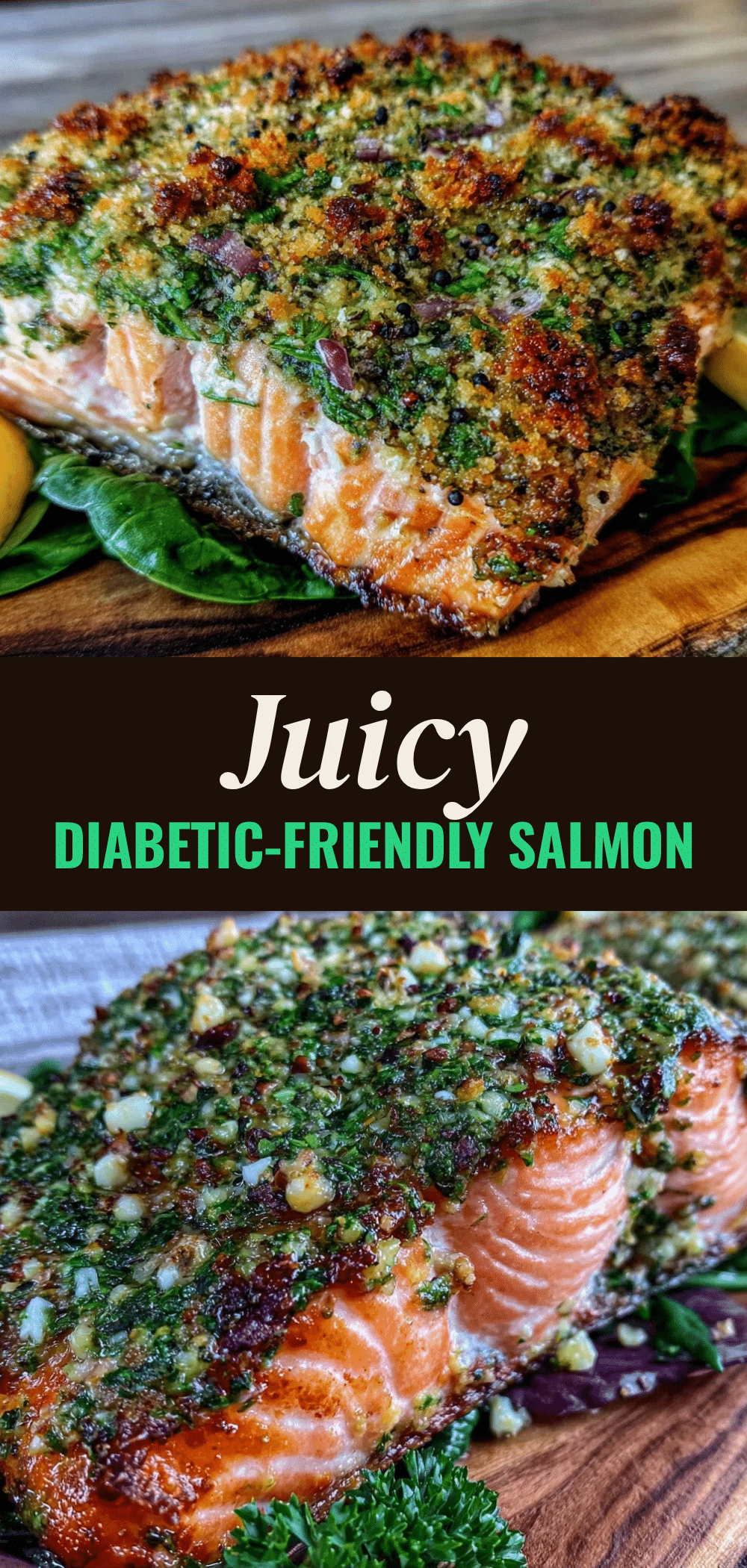
Diabetic-Friendly Baked Salmon with Dijon Herb Crust
- Total Time: 20 minutes
- Yield: 4 servings 1x
Description
A quick, budget-friendly, and diabetic-friendly baked salmon recipe featuring a tangy dijon mustard and herb crust. Ready in just 20 minutes, this low-carb meal is perfect for busy weeknights and keeps blood sugar stable.
Ingredients
- 4 salmon fillets (skin-on, approx. 6oz each / 680g)
- 1 tablespoon butter or olive oil
- 2 tablespoons Dijon mustard
- 1 teaspoon dried dill
- 1 teaspoon dried parsley
- 1/2 teaspoon garlic powder
- 1/2 teaspoon onion powder
- 1/2 teaspoon sea salt
- 1/4 teaspoon black pepper
- 1 lemon, cut into wedges
Instructions
- Preheat oven to 400°F (200°C). Line a baking sheet with parchment paper.
- Rinse salmon fillets and pat them completely dry with paper towels. Place skin-side down on the prepared baking sheet.
- In a small bowl, mix Dijon mustard, dried dill, dried parsley, garlic powder, onion powder, salt, and pepper to form a thick paste.
- Spread the mustard-herb mixture evenly over the top of each salmon fillet.
- Bake for 12-15 minutes, or until the salmon flakes easily with a fork and the crust is lightly golden.
- Remove from oven and let rest for 2-3 minutes.
- Squeeze fresh lemon juice over the salmon and serve immediately.
Notes
Pat the salmon dry thoroughly to ensure the crust sticks. Do not overcook, as salmon continues to cook after removal from the oven. For a spicy version, add red pepper flakes. This recipe is naturally gluten-free; just verify your mustard label. Can be doubled for meal prep.
- Prep Time: 5 minutes
- Cook Time: 15 minutes
- Category: Main Course
- Cuisine: American
Nutrition
- Serving Size: 1 salmon fillet
- Calories: 280
- Sodium: 450
- Fat: 18
- Saturated Fat: 3
- Carbohydrates: 1
- Protein: 25
Keywords: diabetic-friendly, baked salmon, dijon herb crust, low-carb, healthy dinner, quick meals, budget-friendly, gluten-free, omega-3