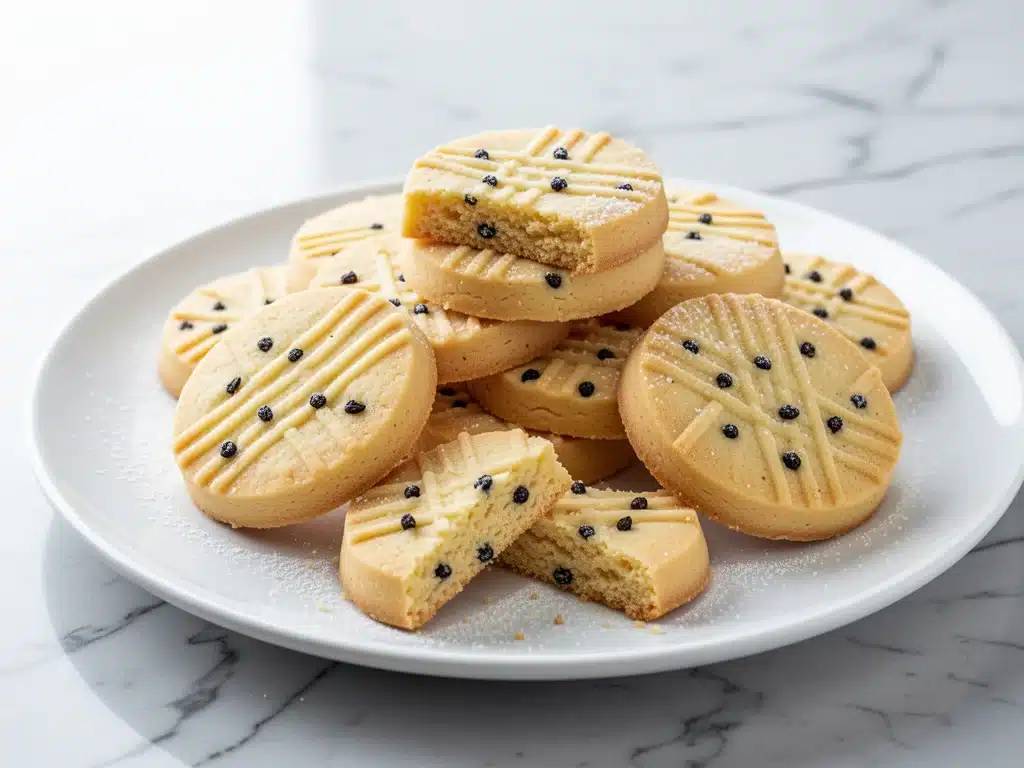
There is a specific kind of magic that happens when you pull a tray of shortbread out of the oven. It’s not just the smell—though that buttery, vanilla-kissed aroma that fills the kitchen is enough to make anyone drop what they’re doing and ask, “What is that?” It’s the texture. The way it crumbles gently at the touch, the way it melts on your tongue without leaving a greasy residue. I used to think shortbread was just a boring holiday cookie, the kind you find in a tin at the grocery store next to the ginger snaps. I was wrong. Dead wrong.
Last winter, I was hosting a small dinner party for some friends who have very strong opinions about baking. I wanted something elegant but simple, something that didn’t scream “I tried too hard.” I decided to make my homemade shortbread cookies with vanilla bean specks. I’d made them a dozen times before, but this time, I used real vanilla bean paste and chilled the dough for an extra hour. The result? A cookie that was crisp on the outside, tender on the inside, and utterly addictive. My friend Sarah, who usually critiques everything from the bread to the wine, actually stopped mid-conversation to grab a second one. That’s when I knew I had something special.
This buttery shortbread recipe isn’t just about following instructions. It’s about understanding the chemistry of fat and flour. It’s about knowing that cold butter is your best friend, and that patience is your secret ingredient. I’ve tested this recipe with different flours, different sugars, and even different vanilla products, and this combination is the winner. It’s the easiest shortbread recipe you’ll ever make, yet it looks like it came from a high-end Parisian patisserie. Whether you’re baking for a gift, a holiday table, or just because you want to treat yourself, these cookies will impress every time.
I’ve made these for birthdays, weddings, and random Tuesday afternoons. They travel well, they store beautifully, and they never fail to get compliments. If you’ve been intimidated by shortbread because you think it’s too technical or too plain, let me convince you otherwise. It’s simple, yes. But simple done right is sophisticated. And once you taste the difference between store-bought and this homemade version, you’ll never go back.
Why You’ll Love This Recipe
Shortbread is often overlooked in favor of more complex cookies like macarons or decorated sugar cookies. But honestly? There is nothing more satisfying than a cookie that relies on perfect technique and high-quality ingredients rather than flashy decorations. This buttery shortbread with vanilla bean specks is my go-to for several reasons, and I promise they’re not just because they taste good.
Stupid Simple Ingredients — You don’t need a pantry full of exotic spices or weird flours. Butter, sugar, flour, and vanilla. That’s it. I know it sounds too easy, but that’s the beauty of shortbread. It’s a masterclass in using what you have. I keep all of these stocked because I can whip these up in under 30 minutes when I have a craving.
Restaurant-Quality Texture — Most homemade shortbread is either too hard (like a brick) or too soft (like a sand cookie). This recipe hits the sweet spot. It’s crisp enough to hold its shape but melts in your mouth. The key is the ratio of butter to flour and the chilling step. Once you nail this texture, you’ll feel like a pro.
Impressively Elegant — You don’t need piping bags or royal icing to make these look fancy. The vanilla bean specks add a natural, luxurious visual appeal. They look artisanal and thoughtful. I’ve served these at dinner parties and had people ask if I bought them from a bakery. It’s a huge compliment, and it feels great to say, “No, I made these in my pajamas.”
Make-Ahead Friendly — Life gets busy. I love that I can make the dough on Sunday, keep it in the fridge for a few days, and bake fresh cookies mid-week. Or I can freeze the baked cookies for later. They stay fresh for weeks if stored correctly. This makes them perfect for gift-giving or last-minute entertaining.
Customizable — While vanilla bean is my favorite, this base recipe is a blank canvas. You can add lemon zest, orange blossom water, or even a pinch of sea salt on top. But honestly? The classic version is so good that I rarely feel the need to change it. It’s the gold standard.
This recipe has saved me more times than I can count. It’s my answer to “What can I bring to the potluck?” or “What should I make when I need to comfort someone?” It’s reliable, delicious, and always a crowd-pleaser. I’ve made these for picky eaters, foodies, and kids, and everyone loves them. That’s rare in the baking world.
Ingredients You’ll Need
Before we get started, let’s talk about what goes into these cookies. Because shortbread has so few ingredients, the quality of each one matters more than in other recipes. You can’t hide bad butter behind chocolate chips. So, I’m particular about three things here: the butter, the sugar, and the vanilla. Here’s exactly what you need and why.
For the Dough:
Unsalted Butter (1 cup / 226g, cold) — This is non-negotiable. Use high-quality European-style butter if you can find it (like Kerrygold or Plugrá). It has a higher fat content and makes a richer, more tender cookie. Make sure it’s cold! I usually take it out of the fridge about 15 minutes before starting so it’s still cold but pliable. If it’s melted, your cookies will spread too much.
Granulated White Sugar (½ cup / 100g) — We use white sugar for a crisp texture. Brown sugar adds moisture and chewiness, which we don’t want here. We want that classic shortbread snap. I use regular granulated sugar, but you can use superfine sugar if you have it—it dissolves faster.
Vanilla Bean Paste (2 teaspoons) — This is where the magic happens. I use vanilla bean paste because it has real specks of vanilla in it, which look beautiful and taste amazing. You can use high-quality vanilla extract, but you’ll lose the visual appeal. If you use extract, use 1 tablespoon. But please, don’t use imitation vanilla. It tastes chemical.
All-Purpose Flour (2 cups / 250g) — Standard all-purpose flour works perfectly. Some recipes call for rice flour for extra crispness, but I find all-purpose gives the best balance of tenderness and structure. Sift it if it’s lumpy, but it’s not strictly necessary.
Sea Salt (½ teaspoon) — Even though we’re using unsalted butter, a pinch of salt is crucial to balance the sweetness and enhance the buttery flavor. Use fine sea salt so it distributes evenly.
Optional Toppings:
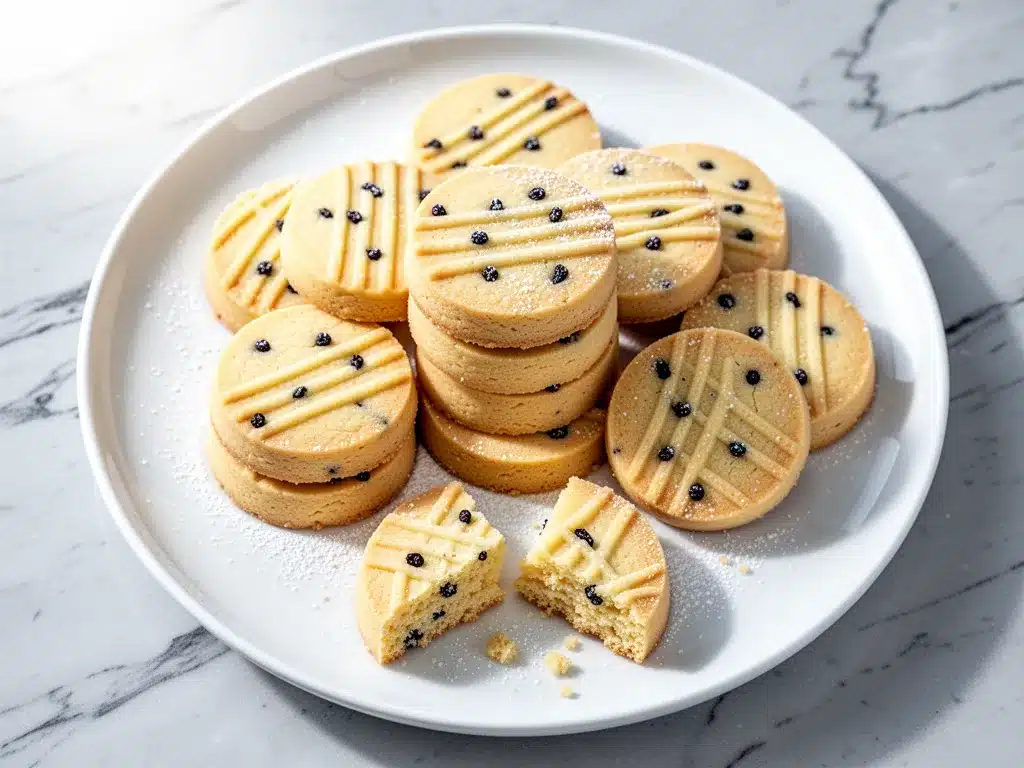
Flaky Sea Salt — For sprinkling on top after baking. It adds a gorgeous look and a salty contrast. Maldon salt is my favorite.
Lemon Zest — If you want a citrus twist, add the zest of one lemon to the dough. It pairs beautifully with vanilla.
Chocolate Drizzle — Melted dark chocolate drizzled over cooled cookies. A bit fancy, but delicious.
Almond Slices — Press a slivered almond into the center of each cookie before baking. Adds a nice crunch and visual detail.
Quick note on measuring flour: I always spoon and level my flour. Scooping directly from the bag packs it down, and you’ll end up with too much flour, making your cookies dry. Trust me, I’ve made that mistake before.
Equipment Needed
You don’t need fancy equipment for this. Here’s what I actually use in my kitchen.
Mixing Bowl — A medium-sized bowl for creaming the butter and sugar. I use a glass bowl because it’s easy to clean and I can see the consistency.
Electric Hand Mixer — Optional but helpful. I like using a hand mixer because it’s quick and easy to clean. You can use a stand mixer or even a wooden spoon, but it takes more effort. The goal is to get the butter and sugar light and fluffy.
Rubber Spatula — For scraping down the sides of the bowl and folding in the flour. Silicone spatulas are great because they don’t scratch bowls.
Measuring Cups and Spoons — Standard stuff. Dollar store versions work fine. Just make sure they’re accurate.
Baking Sheets — I use rimmed baking sheets. Make sure they’re flat and not warped. Warped sheets lead to uneven baking.
Parchment Paper — Essential. Line your baking sheets with parchment paper. It prevents sticking and makes cleanup a breeze. I never bake shortbread directly on a metal sheet.
Cooling Rack — To cool the cookies after baking. This stops the cooking process and prevents them from getting soggy from residual heat.
Pastry Brush — Optional, for brushing off excess flour if you roll the dough.
Sifter or Fine Mesh Strainer — For sifting the flour if it’s clumpy.
That’s it. Nothing fancy. If you have these basics, you’re good to go.
How to Make It: Step-by-Step
Alright, let’s make this! I’m walking you through exactly how I do it, including the little tricks I’ve picked up over the years. This process is straightforward, but precision matters.
Step 1: Prep Your Ingredients (5 minutes)
Before you start, make sure your butter is cold but pliable. Cut it into small cubes—this helps it cream evenly with the sugar. Have your flour, sugar, and vanilla ready to go. I like to measure everything out before I start mixing because it makes the process smoother. If you’re using vanilla bean paste, give the jar a good shake first to mix the seeds.
Step 2: Cream the Butter and Sugar (3-4 minutes)
In your mixing bowl, combine the cold butter cubes and granulated sugar. Using an electric hand mixer on medium speed, beat them together until the mixture is light, fluffy, and pale in color. This takes about 3-4 minutes. You want the sugar to dissolve slightly into the butter. If you’re using a wooden spoon, this will take more arm strength. The goal is to incorporate air into the mixture, which helps with the texture.
Step 3: Add Vanilla and Salt (1 minute)
Add the vanilla bean paste and sea salt to the butter mixture. Mix on low speed just until combined. Scrape down the sides of the bowl with a spatula to make sure everything is evenly distributed. The mixture should smell amazing now.
Step 4: Incorporate the Flour (2-3 minutes)
Gradually add the flour to the butter mixture. Mix on low speed until just combined. Do not overmix! Once the flour is incorporated, the dough will start to come together. It should look like coarse crumbs at first, then clump together. If it looks too dry, add a teaspoon of cold water. If it looks too wet, add a tablespoon of flour. The dough should be soft but not sticky.
Step 5: Shape the Dough (5 minutes)
There are two ways to shape shortbread: the classic round wedge method or the rectangular slice method. I prefer the rectangular slice method for ease. Turn the dough out onto a piece of plastic wrap. Shape it into a rectangle about 1 inch thick. Wrap it tightly in the plastic wrap and chill in the refrigerator for at least 30 minutes. This step is crucial—it firms up the butter so the cookies hold their shape while baking. If you skip this, your cookies will spread into flat discs.
Step 6: Preheat and Slice (5 minutes)
Preheat your oven to 325°F (160°C). Line two baking sheets with parchment paper. Take the chilled dough out of the fridge and slice it into ½-inch thick rounds. You should get about 24 cookies from this amount of dough. Place them on the baking sheets, spacing them about 1 inch apart. They won’t spread much, but they need a little room.
Step 7: Bake (15-18 minutes)
Bake the cookies for 15-18 minutes, or until the edges are lightly golden. The centers should still look slightly soft. Do not overbake! Shortbread continues to cook on the hot baking sheet after you take it out. If you bake them until they look fully firm, they’ll be hard when they cool. The edges turning golden is your cue to take them out.
Step 8: Cool and Serve (10 minutes)
Let the cookies cool on the baking sheet for 5 minutes. Then, transfer them to a cooling rack to cool completely. If you’re using flaky sea salt, sprinkle it on top while they’re still warm. This helps the salt stick. Once cooled, store them in an airtight container.
Total Time: About 45 minutes (including chilling time, though you can chill longer).
Expert Tips & Tricks
Here’s everything I’ve learned from making this dozens of times. These tips will save you from my mistakes.
Keep the Butter Cold
This is the #1 tip. If your butter gets too warm while you’re mixing, your cookies will spread. If the dough feels soft and sticky, put it in the fridge for 15 minutes before shaping. I’ve ruined batches by being too impatient. Cold butter = crisp cookies.
Don’t Overmix the Flour
Once you add the flour, mix just until combined. Overmixing develops gluten, which makes the cookies tough. You want them tender and crumbly, not chewy like bread.
Chill the Dough
I can’t stress this enough. Chilling the dough is not optional. It firms up the butter and prevents spreading. If you’re in a rush, you can freeze the dough for 15 minutes, but 30 minutes in the fridge is better. If you have time, chill it overnight for even better flavor development.
Use Parchment Paper
Baking directly on a metal sheet can lead to burnt edges. Parchment paper ensures even baking and easy cleanup. It’s worth the extra step.
Low and Slow
Bake at 325°F, not 350°F. Lower heat ensures the cookies cook through without browning too quickly. Shortbread is supposed to be pale gold, not dark brown.
Common Mistakes (and how to avoid them):
Mistake: Cookies are too hard
Fix: You overbaked them or overmixed the flour. Next time, pull them out when the edges are just starting to turn golden. Let them cool completely before judging the texture.
Mistake: Cookies spread too much
Fix: Your butter was too warm. Make sure it’s cold before mixing, and chill the dough longer next time.
Mistake: Cookies are dry
Fix: You used too much flour. Spoon and level your flour, don’t scoop. Or you overbaked them.
Pro Tricks I’ve Learned:
For Extra Flavor
Add a teaspoon of almond extract along with the vanilla. It enhances the buttery flavor without tasting like almonds.
For Better Texture
Sift the flour before adding it. It removes lumps and aerates the flour, leading to a lighter cookie.
Make-Ahead Strategy
You can freeze the unbaked dough slices for up to 3 months. Bake straight from frozen, adding 2-3 minutes to the bake time. This is perfect for holiday gift prep.
Variations & Substitutions
Once you’ve nailed the basic version, here’s how you can mix it up. I’ve tried all of these.
Lemon Shortbread
Add the zest of one lemon to the butter mixture. It adds a bright, citrusy note that pairs perfectly with the vanilla. My favorite summer variation.
Chocolate Chip Shortbread
Stir in ½ cup of mini chocolate chips after adding the flour. It’s like a shortbread cookie meets a chocolate chip cookie. Delicious, but changes the texture slightly.
Orange Blossom Shortbread
Replace the vanilla with 1 teaspoon of orange blossom water. It’s floral and elegant. Great for spring.
Sea Salt Caramel Shortbread
Drizzle melted caramel over the cooled cookies and sprinkle with flaky sea salt. Fancy and addictive.
Gluten-Free
Use a 1:1 gluten-free flour blend. The texture might be slightly more crumbly, but it still works. I’ve used Bob’s Red Mill and it’s fine.
Dairy-Free
Replace butter with a high-quality vegan butter stick (not tub margarine). It works, but the flavor isn’t quite as rich. I prefer to keep it dairy-free only if necessary.
Nut-Free
The base recipe is naturally nut-free. Just make sure your flour and sugar are processed in a nut-free facility if you have severe allergies.
Serving & Storage
How to Serve:
I usually serve these with a cup of tea or coffee. They’re perfect for afternoon snacks or dessert. I like to arrange them on a platter with a few different variations if I’m hosting. They also make beautiful gifts when packed in a tin.
Side Dishes:
These are great on their own, but they pair well with fresh fruit, cream, or ice cream. I love them with vanilla ice cream and a drizzle of caramel.
Storage Instructions:
Refrigerator:
Store in an airtight container for up to 1 week. They stay fresh and crisp. If you live in a humid climate, add a piece of bread to the container to absorb moisture.
Freezer:
Baked cookies can be frozen for up to 3 months. Place them in a single layer in a freezer-safe container, separated by parchment paper. Thaw at room temperature before serving.
Reheating:
You don’t need to reheat shortbread. It’s best at room temperature. If you want them warm, you can microwave them for 10 seconds, but be careful not to melt the butter.
Pro tip: If they start to lose their crispness, bake them at 300°F for 5 minutes to refresh them.
Nutrition Information
I’m not a nutritionist, but here’s the breakdown if you’re tracking. Please note that this is an estimate based on standard ingredients.
Per Cookie (based on 24 cookies):
- Calories: 110
- Protein: 1g
- Carbs: 10g
- Fiber: 0g
- Sugar: 3g
- Fat: 7g
- Saturated Fat: 4g
- Cholesterol: 15mg
- Sodium: 50mg
What’s Good:
Low in sugar compared to other cookies. Simple ingredients.
What to Know:
High in fat and calories due to butter. It’s a treat, so enjoy in moderation.
My Take:
This is a classic buttery treat. It’s not a health food, but it’s made with simple, recognizable ingredients. When I want to make it lighter, I stick to one or two cookies and pair it with a cup of tea. But usually? I just enjoy it for what it is—a delicious, comforting cookie.
Final Thoughts
So that’s my go-to buttery shortbread with vanilla bean specks! I’ve probably talked your ear off at this point, but when you make a recipe this often, you have a lot to say about it. This has saved me more times than I can count. It’s my answer to “What can I bring to the party?” or “What should I bake when I need to relax?” It’s reliable, delicious, and always a crowd-pleaser. My friends love it, my family loves it, and I love making it.
Make it yours! Try different variations, swap in your favorite extracts, or add your own twists. The best recipes are the ones you adapt to your tastes. The classic version is perfect, but don’t be afraid to experiment.
If you make this, drop a comment and let me know what you think! I love hearing how recipes turn out in your kitchen. And if something doesn’t work, tell me that too—I’m here to help troubleshoot. Happy baking! And I hope your kitchen smells as good as mine does right now.
Frequently Asked Questions
Q: Can I use salted butter instead of unsalted?
A: You can, but you’ll need to reduce the added salt in the recipe. Since butter salt content varies, I recommend using unsalted so you can control the flavor. If you use salted butter, omit the ½ teaspoon of salt in the recipe.
Q: Why did my cookies spread?
A: This usually happens if the butter was too warm when you mixed it, or if you didn’t chill the dough enough. Make sure your butter is cold, and chill the dough for at least 30 minutes. Also, make sure your oven is preheated correctly.
Q: Can I freeze the dough?
A: Yes! You can freeze the shaped dough log for up to 3 months. Wrap it tightly in plastic wrap and then in foil. When you’re ready to bake, let it thaw in the fridge overnight, then slice and bake as usual. Add 2-3 minutes to the bake time if baking from frozen.
Q: How do I know when the cookies are done?
A: They’re done when the edges are lightly golden. The centers will still look soft. Remember, they continue to cook on the hot baking sheet after you take them out. If you wait until they look firm in the oven, they’ll be hard when cooled.
Q: Can I use vanilla extract instead of vanilla bean paste?
A: Yes, but you won’t get the beautiful specks. Use 1 tablespoon of high-quality vanilla extract. The flavor will be similar, but the visual appeal will be missing. I recommend paste for the best experience.
Q: How long do these cookies last?
A: In an airtight container at room temperature, they last up to 1 week. In the freezer, they last up to 3 months. They stay crisp if stored properly.
Q: Can I make these gluten-free?
A: Yes, use a 1:1 gluten-free flour blend. The texture might be slightly more crumbly, but it still works. I’ve tested this with Bob’s Red Mill and it’s fine.
Pin This Recipe!
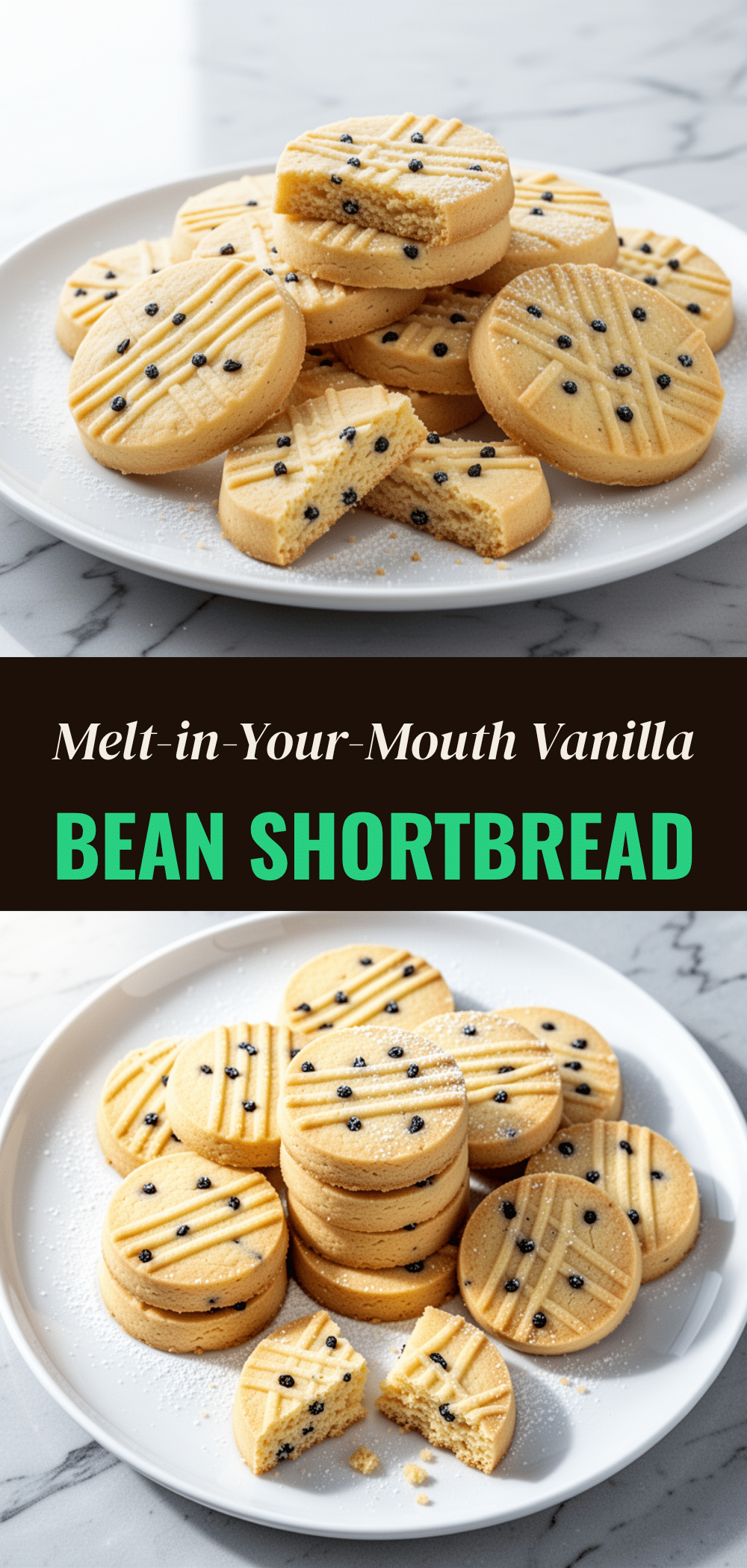

Buttery Shortbread Cookies: Easy Best Homemade Recipe
- Total Time: 45 minutes
- Yield: 24 cookies 1x
Description
A simple yet elegant shortbread cookie recipe featuring cold butter, granulated sugar, and vanilla bean paste. These cookies are crisp on the outside, tender on the inside, and require only a few high-quality ingredients.
Ingredients
- 1 cup (226g) unsalted butter, cold and cubed
- ½ cup (100g) granulated white sugar
- 2 teaspoons vanilla bean paste
- 2 cups (250g) all-purpose flour
- ½ teaspoon fine sea salt
- Flaky sea salt (optional, for topping)
- Lemon zest (optional, for variation)
- Chocolate drizzle (optional, for variation)
Instructions
- Preheat oven to 325°F (160°C) and line two baking sheets with parchment paper.
- In a medium mixing bowl, cream the cold butter cubes and granulated sugar together using an electric hand mixer on medium speed for 3-4 minutes until light, fluffy, and pale.
- Add the vanilla bean paste and sea salt to the butter mixture. Mix on low speed just until combined, scraping down the sides of the bowl.
- Gradually add the flour to the butter mixture. Mix on low speed until just combined and the dough forms coarse crumbs that clump together. Do not overmix.
- Turn the dough out onto plastic wrap and shape it into a rectangle about 1 inch thick. Wrap tightly and chill in the refrigerator for at least 30 minutes.
- Slice the chilled dough into ½-inch thick rounds. Place cookies on prepared baking sheets, spacing them about 1 inch apart.
- Bake for 15-18 minutes until the edges are lightly golden but centers still look slightly soft.
- Let cookies cool on the baking sheet for 5 minutes, then transfer to a cooling rack to cool completely.
- Sprinkle with flaky sea salt while warm if desired. Store in an airtight container.
Notes
Keep butter cold to prevent spreading. Do not overmix the flour to avoid tough cookies. Chill dough for at least 30 minutes. Bake at 325°F for even cooking without excessive browning. Cookies continue to cook on the hot sheet after removal from oven.
- Prep Time: 15 minutes
- Cook Time: 15-18 minutes
- Category: Dessert
- Cuisine: British
Nutrition
- Serving Size: 1 cookie
- Calories: 110
- Sugar: 3
- Sodium: 50
- Fat: 7
- Saturated Fat: 4
- Carbohydrates: 10
- Protein: 1
Keywords: shortbread, cookies, buttery, vanilla bean, homemade, easy baking, holiday cookies, make-ahead