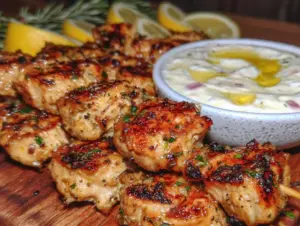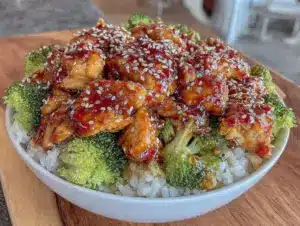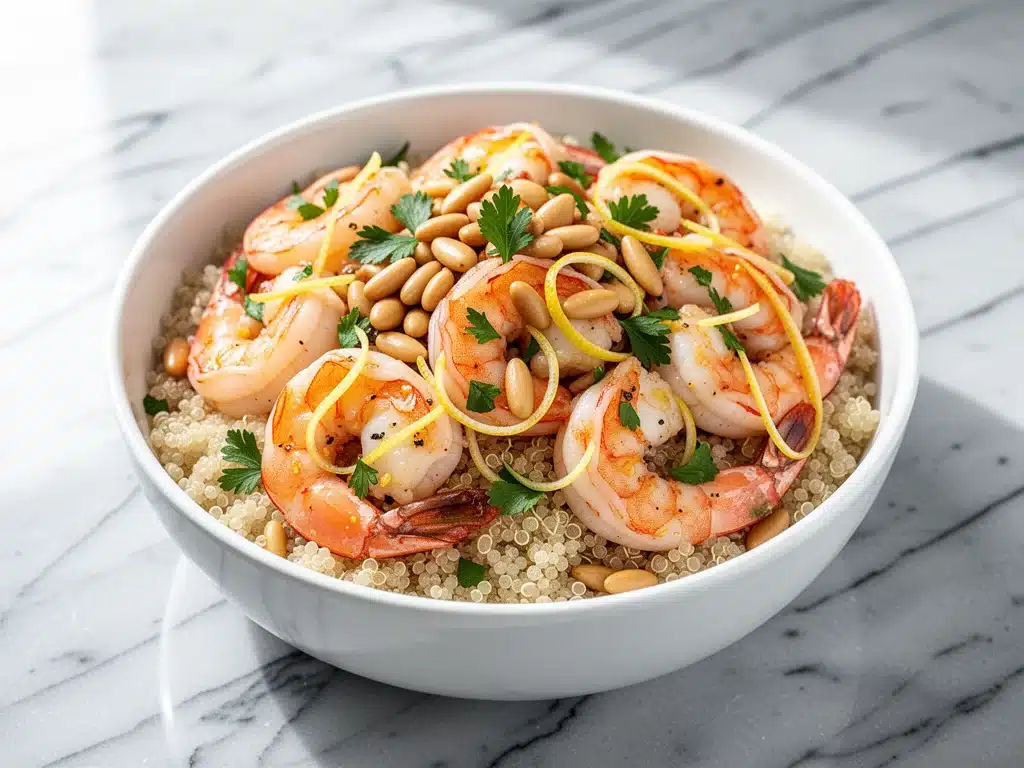
Last Tuesday, I was standing in my kitchen at 6:45 PM, staring into the abyss of my fridge. It was that specific kind of desperate where you know takeout is tempting, but you also know you’ll regret the greasy delivery bag by 8 PM. I had a bag of frozen shrimp, a lemon that was about to turn, and a desperate craving for something that tasted like a vacation but didn’t require a vacation to make. So I threw together what I now call my Mediterranean Lemon Garlic Shrimp Bowl. I expected a quick, mediocre dinner. Instead, I got a bowl so bright, so fresh, and so ridiculously fast that I made it three times that same week.
This isn’t just another shrimp recipe. It’s my answer to the “what’s for dinner?” panic attack. The beauty of this dish isn’t just in the flavor—it’s in the speed. Fifteen minutes. That’s it. From thawing the shrimp to scraping the bowl clean, it’s less time than it takes to order Uber Eats. And the flavor profile? It’s that sunny, zesty, garlicky goodness that makes you forget you’re eating on a Tuesday night in October.
I’ve tested this version of the Mediterranean Lemon Garlic Shrimp Bowl at least a dozen times, tweaking the ratios of lemon to garlic until it hit that perfect sweet spot. It’s healthy without being sad, it’s packed with protein, and it feels fancy enough to serve to guests but simple enough for a solo lunch. If you’re tired of boring chicken dinners and heavy pasta nights, this bowl is your new best friend. It’s light, it’s vibrant, and it comes together before you can even find your takeout menu.
Ingredients You’ll Need
Here’s the thing about this recipe: it’s incredibly forgiving. You don’t need a trip to a specialty market. Most of these ingredients are staples, or easy substitutes. I’m particular about the shrimp and the pine nuts, but for the rest? Keep it simple. Here’s what you need to grab.
For the Shrimp & Marinade
Jumbo or extra-large shrimp (1.5 lbs / 680g) — Peeled and deveined. I buy them frozen and thaw them in cold water for 10 minutes. It’s cheaper and just as good as fresh. Look for ones that smell like the ocean, not chemicals. If they’re already peeled, great. If not, grab a paring knife and make the slit along the back.
Extra virgin olive oil (3 tablespoons) — Don’t skimp here. This is your fat base. Use the good stuff. If it tastes bitter in the bottle, it’ll taste bitter in the bowl. I keep a bottle of mild EVOO for cooking and a robust one for finishing.
Garlic (4-5 cloves, minced) — Yes, five cloves. This is a lemon garlic shrimp bowl, so the garlic needs to shine. Fresh only. If you use jarred garlic, I can’t help you. It has that weird metallic aftertaste that ruins the freshness. Mince it finely so it distributes evenly.
Lemon (2 lemons) — You’ll need the juice of one lemon and the zest of both. The zest is where the essential oils are—that bright, aromatic punch that makes the dish smell like summer. Use a microplane if you have one; it’s worth the $5 investment.
Dried oregano (1 teaspoon) — Greek oregano is best if you can find it. It’s more pungent and floral than Mexican oregano. If you only have American oregano, it’ll work, but the flavor will be milder.
Red pepper flakes (½ teaspoon) — Optional, but recommended. Just a pinch adds a subtle warmth that balances the acid. If you’re sensitive to spice, start with ¼ teaspoon.
Salt and black pepper — Kosher salt is my go-to. Freshly cracked black pepper adds a nice bite.
For the Bowl Base
Couscous or quinoa (1 cup dry) — I love couscous because it cooks in 5 minutes. Quinoa takes 15 but adds more protein. Both work beautifully. Bulgur wheat is another great option if you want something chewier.
Cherry tomatoes (1 cup, halved) — Sweet, juicy bursts of flavor. I use whatever color mix I can find—red, yellow, orange. It looks pretty and tastes sweet.
Cucumber (1 medium, diced) — English cucumbers are best because they don’t have bitter seeds. Dice them into small cubes so they mix well with the grains.
Feta cheese (½ cup, crumbled) — The salty, tangy counterpoint to the sweet shrimp and lemon. Use a block and crumble it yourself. Pre-crumbled feta is often dry and salty in a bad way.
Kalamata olives (¼ cup, pitted and halved) — For that briny, Mediterranean kick. If you hate olives, skip them. I don’t judge. (Okay, I might judge a little.)
For the Garnish
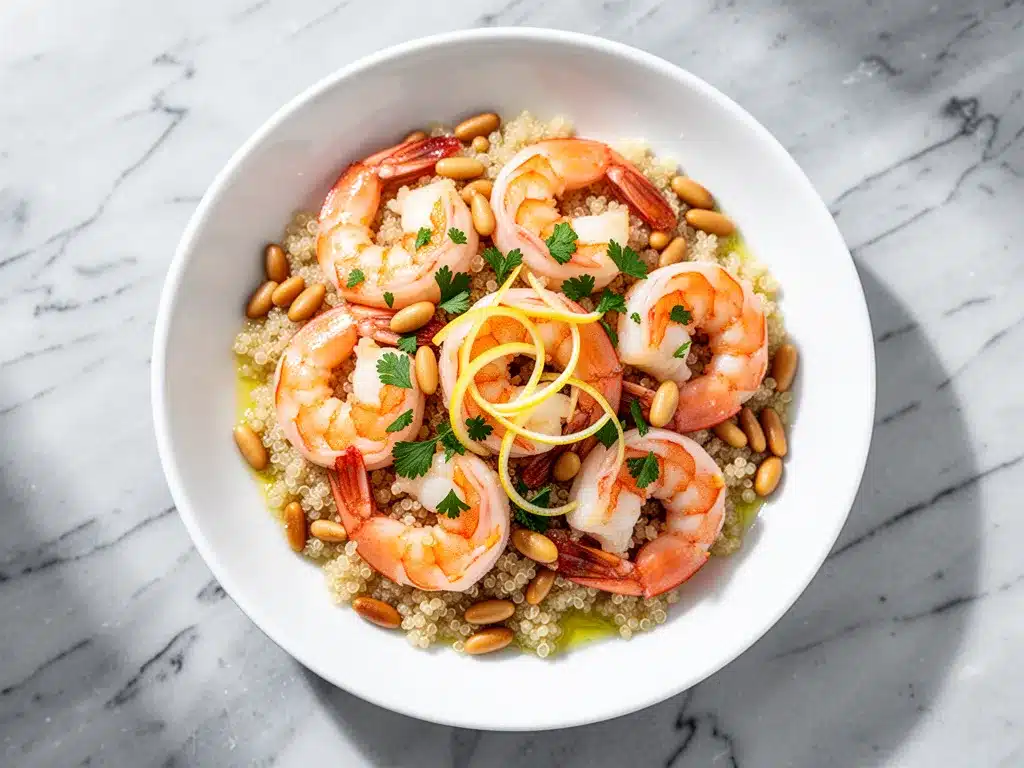
Pine nuts (¼ cup) — Toasted. This is non-negotiable. Raw pine nuts are bland and waxy. Toasted pine nuts are nutty, buttery, and addictive. This is what makes the bowl feel premium.
Fresh parsley (2 tablespoons, chopped) — Adds color and a fresh, clean finish. Flat-leaf parsley is better than curly for flavor.
Equipment Needed
You don’t need fancy gadgets for this. Here’s what I actually use in my home kitchen.
Large skillet or sauté pan — 12-inch is ideal. You need space to cook the shrimp in a single layer so they sear instead of steam. If your pan is too crowded, the shrimp boil in their own juices, and you lose that nice golden crust.
Microwave-safe bowl — For thawing the shrimp quickly in cold water. Or just use a colander under running cold water.
Small saucepan — For cooking the couscous or quinoa. If you use instant couscous, you can actually just use a heat-proof bowl and pour boiling water over it (no stove needed).
Microplane or zester — For the lemon zest. A regular grater works, but a microplane gives you fluffy, aromatic zest without the bitter white pith.
Wooden spoon or spatula — For stirring the shrimp. Metal can scratch non-stick pans.
Sharp knife and cutting board — For prepping the veggies. A dull knife is dangerous and frustrating.
How to Make It: Step-by-Step
Alright, let’s get cooking. This process is streamlined for speed, so have your ingredients prepped before you turn on the heat. I call this “Mise en Place for Lazy People.”
Step 1: Prep the Shrimp (3 minutes)
If your shrimp are frozen, thaw them first. Place them in a bowl and cover with cold water. Let them sit for 10 minutes. Drain and pat them DRY with paper towels. This is crucial. Wet shrimp steam instead of sear. Once dry, toss them in a bowl with the olive oil, minced garlic, lemon zest, half the lemon juice, oregano, salt, pepper, and red pepper flakes. Let them marinate while you cook the grains. The shrimp don’t need long—just enough to absorb some flavor.
Step 2: Cook the Base (5-15 minutes)
While the shrimp marinate, cook your grain. For couscous: bring 1 cup of water (or broth for extra flavor) to a boil, stir in 1 cup of couscous, remove from heat, cover, and let sit for 5 minutes. Fluff with a fork. For quinoa: rinse 1 cup of quinoa, add 2 cups of water, bring to boil, reduce heat, cover, and simmer for 15 minutes. Fluff and set aside. You want the grains fluffy and separate, not clumpy.
Step 3: Sauté the Shrimp (4-5 minutes)
Heat your large skillet over medium-high heat. Add a tiny splash of olive oil if the pan is dry. Once the oil is shimmering, add the shrimp in a single layer. Don’t crowd the pan! If you have a small pan, cook in two batches. Sear for 2 minutes on one side until they turn pink and opaque. Flip and cook for another 1-2 minutes. They’re done when they’re just opaque in the center. Overcooked shrimp are rubbery, so watch them closely. They cook fast.
Step 4: Toast the Pine Nuts (2 minutes)
While the shrimp cook, put a small dry skillet over medium heat. Add the pine nuts. Shake the pan constantly. They go from raw to burnt in seconds. Watch for them to turn golden brown and smell nutty. This takes about 2-3 minutes. Remove them from the pan immediately to stop the cooking. Burnt pine nuts taste bitter and ruin the dish.
Step 5: Assemble the Bowl
Take a large bowl. Add a scoop of the fluffy couscous or quinoa. Top with the seared shrimp, halved cherry tomatoes, diced cucumber, and crumbled feta. Drizzle with the remaining lemon juice. Sprinkle generously with the toasted pine nuts and fresh parsley. Toss everything gently together, or keep it layered for that pretty Instagram look (I do both).
Step 6: Serve Immediately
Eat it right away while the shrimp are warm and the veggies are crisp. Add a wedge of lemon on the side for extra squeeze-ability.
Expert Tips & Tricks
I’ve learned a few hard lessons making this bowl, so you don’t have to. These tips will save your dinner.
Pat the Shrimp Dry
I cannot stress this enough. If the shrimp are wet, they won’t sear. They’ll steam. And steamed shrimp are sad, rubbery shrimp. Use paper towels. Be aggressive with the drying.
Don’t Overcook the Shrimp
Shrimp cook in minutes. Seriously. They go from raw to perfect to rubbery in about 60 seconds. When they turn pink and opaque, they’re done. Pull them off the heat immediately. They’ll continue to cook slightly from residual heat.
Toast Pine Nuts Carefully
Pine nuts have a high oil content and burn easily. Use a dry pan (no oil) and medium heat. Shake the pan constantly. If you walk away, they burn. I keep mine on the counter while the shrimp cook so I don’t forget.
Use Lemon Zest
Most people just use lemon juice. But the zest contains the aromatic oils that give the dish its “Mediterranean” smell. Without zest, it’s just lemony shrimp. With zest, it’s complex and bright. Zest before you juice.
Room Temperature Veggies
Don’t use cold cucumber and tomatoes straight from the fridge if you can help it. Let them sit out for 10 minutes while the grains cook. Cold veggies shock the palate and don’t mix as well with the warm grains.
Variations & Substitutions
Once you master the base, feel free to remix this. I do it all the time.
Grain Swap
Love rice? Use leftover jasmine or basmati rice. Orzo pasta works great too—it’s tiny and absorbs the lemon sauce beautifully. Even farro is a nice chewy alternative, though it takes longer to cook.
Protein Swap
Not a seafood fan? Grilled chicken breast or tofu cubes work well. Marinate them in the same lemon-garlic mix. Salmon fillets are also delicious, though the cooking time changes.
Veggie Boost
Add roasted red peppers for sweetness. Throw in some artichoke hearts for a classic Greek salad vibe. Kalamata olives are traditional, but green olives work too. Even sliced radishes add a nice crunch.
Dairy-Free
Skip the feta and use a drizzle of tahini instead. It adds creaminess and nuttiness without the dairy. Or use a vegan feta alternative—some are surprisingly good.
Spicy Version
Add a diced jalapeño with the garlic, or use a spicy harissa paste in the marinade. It’s a completely different flavor profile but still quick.
Serving & Storage
This bowl is best fresh, but it’s also great for meal prep.
Serving Suggestions
I serve this with a side of warm pita bread or crusty baguette to soak up the lemony juices. A simple arugula salad with a light vinaigrette pairs well if you want more greens. It’s also fantastic over a bed of mixed greens as a full salad.
Storage
Store leftovers in an airtight container in the fridge for up to 3 days. The grains will absorb the lemon juice, so the bowl will taste more marinated the next day, which I actually prefer. The shrimp will be fine, but they won’t be as juicy. Reheat gently in the microwave or eat cold—it’s still delicious cold.
Freezing
Don’t freeze the shrimp. They get rubbery when thawed. You can freeze the grain base, but it’s not worth the effort. Just make it fresh.
Nutrition Information
I’m not a nutritionist, but here’s the general breakdown per serving (based on 4 bowls).
- Calories: 450
- Protein: 35g
- Carbs: 40g
- Fat: 18g
- Fiber: 4g
- Sugar: 4g
It’s high in protein from the shrimp, moderate in carbs from the grains, and has healthy fats from the olive oil and pine nuts. It’s a balanced meal that keeps you full without the food coma.
Final Thoughts
This Mediterranean Lemon Garlic Shrimp Bowl has saved my weeknights more times than I can count. It’s proof that healthy eating doesn’t have to be boring or time-consuming. In 15 minutes, you have a meal that’s vibrant, flavorful, and nourishing. It’s perfect for busy parents, single folks, or anyone who wants to eat well without the fuss.
Make it yours. Add your favorite veggies, swap the grain, adjust the spice. The best recipes are the ones you adapt. If you make this, let me know how it turned out! I love hearing from you. Happy cooking!
Frequently Asked Questions
Can I use frozen shrimp?
Absolutely. In fact, frozen shrimp are often fresher than “fresh” shrimp that’s been sitting in a case. Just thaw them in cold water for 10-15 minutes. Pat them dry thoroughly before cooking. Never cook them frozen—they’ll release too much water.
Why are my shrimp rubbery?
You overcooked them. Shrimp cook incredibly fast. Once they turn pink and opaque, they’re done. If you leave them on the heat for another minute, they become tough. Also, make sure you’re using high heat to sear them quickly.
Can I make this ahead?
Yes, but assemble just before eating. You can prep the veggies and marinate the shrimp ahead of time. Cook the grains in the morning. Just sear the shrimp and toast the nuts right before you eat so everything is fresh and warm.
What grain is best for this bowl?
Couscous is the fastest and absorbs the lemon sauce well. Quinoa is healthier and protein-packed. Orzo is a great pasta alternative. Bulgur is traditional in tabbouleh and adds a nice chew. All work well.
Can I substitute pine nuts?
If pine nuts are too expensive or you don’t like them, use slivered almonds or walnuts. Toast them the same way. They won’t be as buttery, but they’ll add that necessary crunch.
Is this gluten-free?
Yes, if you use quinoa or rice instead of couscous (which is wheat-based). Check your feta and olives to ensure they don’t have added gluten, but generally, this recipe is easily gluten-free.
How do I get the most flavor from the lemon?
Use both the zest and the juice. The zest provides the aroma, and the juice provides the acid. Also, add a pinch of salt to the lemon juice before squeezing—it helps release the oils and brightens the flavor.
Pin This Recipe!
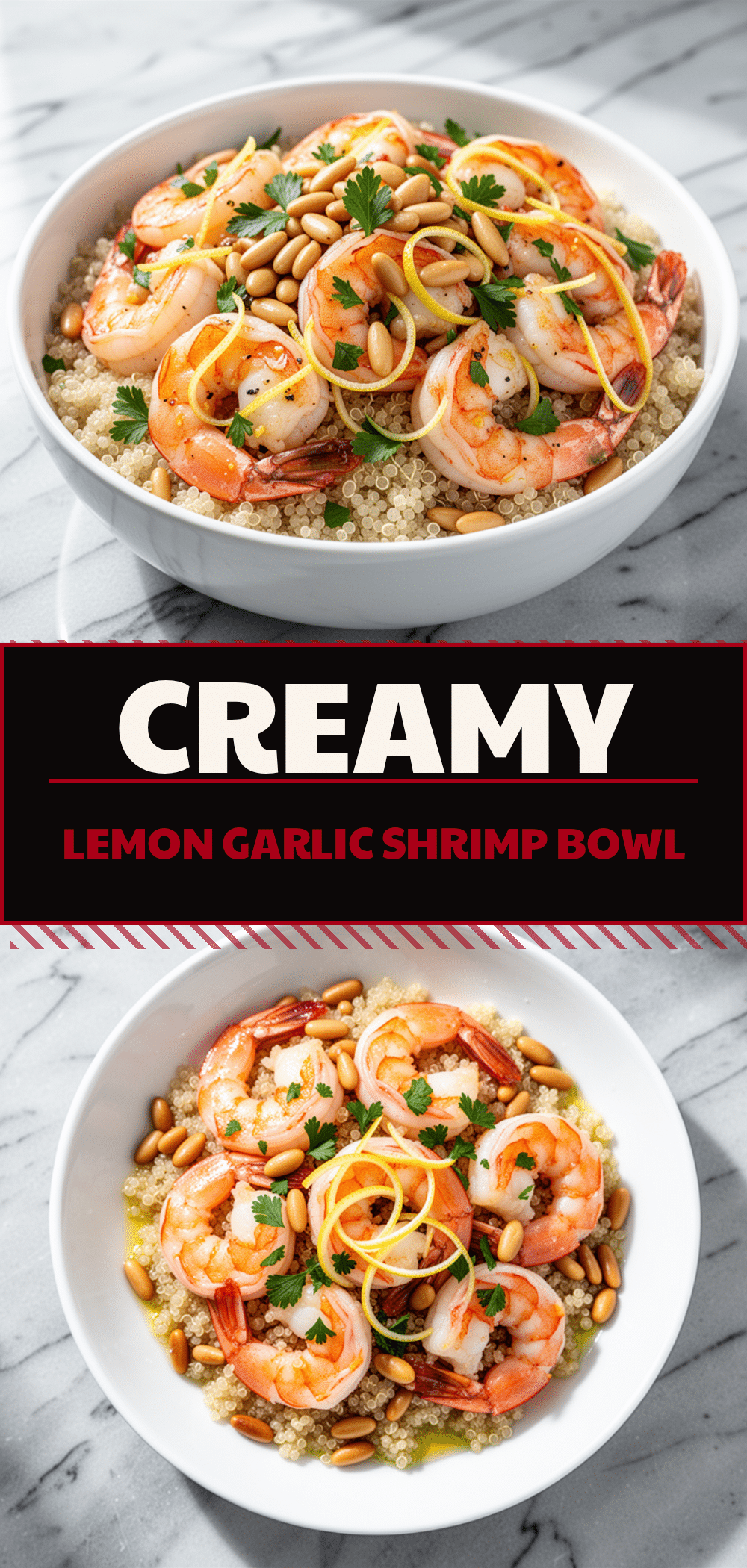
Mediterranean Lemon Garlic Shrimp Bowl
- Total Time: 15 minutes
- Yield: 4 servings 1x
Description
A bright, zesty, and garlicky shrimp bowl that comes together in just 15 minutes. This healthy, protein-packed meal features seared shrimp, fluffy grains, fresh vegetables, and toasted pine nuts for a perfect weeknight dinner.
Ingredients
- 1.5 lbs (680g) jumbo or extra-large shrimp, peeled and deveined
- 3 tablespoons extra virgin olive oil
- 4–5 cloves garlic, minced
- 2 lemons (juice of 1, zest of 2)
- 1 teaspoon dried oregano
- 1/2 teaspoon red pepper flakes (optional)
- Salt and black pepper to taste
- 1 cup dry couscous or quinoa
- 1 cup cherry tomatoes, halved
- 1 medium cucumber, diced
- 1/2 cup feta cheese, crumbled
- 1/4 cup Kalamata olives, pitted and halved
- 1/4 cup pine nuts, toasted
- 2 tablespoons fresh parsley, chopped
Instructions
- Thaw frozen shrimp in cold water for 10 minutes if necessary. Drain and pat shrimp completely dry with paper towels.
- In a bowl, toss the dry shrimp with olive oil, minced garlic, lemon zest, half the lemon juice, oregano, salt, pepper, and red pepper flakes. Let marinate briefly.
- Cook the grain base: For couscous, bring 1 cup water to a boil, stir in couscous, remove from heat, cover, and let sit for 5 minutes. For quinoa, rinse 1 cup quinoa, add 2 cups water, boil, then simmer covered for 15 minutes. Fluff with a fork and set aside.
- Heat a large skillet over medium-high heat. Add shrimp in a single layer and sear for 2 minutes until pink on one side. Flip and cook for another 1-2 minutes until opaque. Remove from heat immediately.
- While shrimp cook, toast pine nuts in a small dry skillet over medium heat, shaking constantly, until golden brown and nutty (about 2-3 minutes). Remove immediately to prevent burning.
- Assemble bowls by adding a scoop of grain, topped with shrimp, cherry tomatoes, cucumber, feta, and olives.
- Drizzle with remaining lemon juice, then sprinkle generously with toasted pine nuts and fresh parsley. Serve immediately.
Notes
Pat shrimp dry thoroughly to ensure they sear rather than steam. Do not overcook shrimp as they become rubbery quickly. Toast pine nuts carefully as they burn easily. For a dairy-free version, substitute feta with tahini or vegan feta. Couscous is the fastest grain option, but quinoa or orzo work well too.
- Prep Time: 10 minutes
- Cook Time: 5 minutes
- Category: Main Course
- Cuisine: Mediterranean
Nutrition
- Serving Size: 1 bowl
- Calories: 450
- Sugar: 4
- Sodium: 600
- Fat: 18
- Saturated Fat: 5
- Carbohydrates: 40
- Fiber: 4
- Protein: 35
Keywords: shrimp bowl, lemon garlic shrimp, quick dinner, healthy weeknight meal, mediterranean diet, gluten-free option, high protein