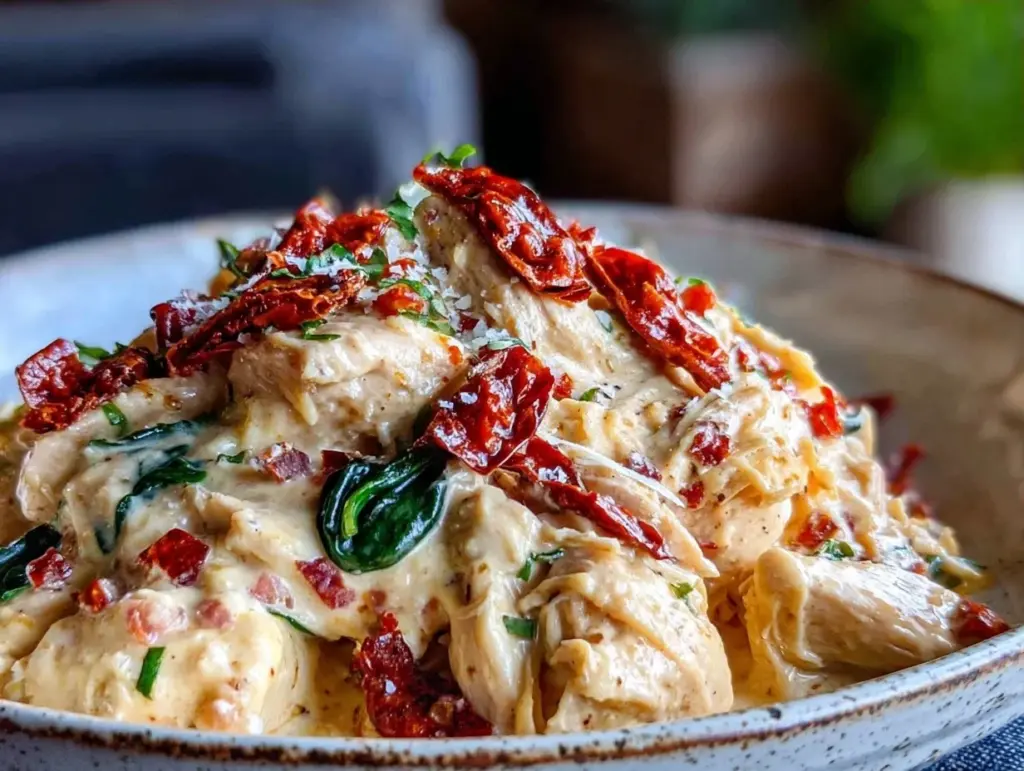
I have a confession to make. For years, I made Creamy Tuscan Chicken that was… fine. It was creamy, it had chicken, it had spinach. But the sauce? It was either too thin and watery or, worse, it separated into a greasy, grainy mess that coated the bottom of the pan. I served it to friends, they smiled politely, and I went back to my kitchen wondering why restaurant versions were always so velvety and mine looked like soup.
Then, last month, I was craving that specific sun-dried tomato tang again. I decided to stop guessing and actually look at what the pros do. I found it. It’s not a fancy technique. It’s not a special ingredient you need to order online. It’s one specific moment in the cooking process that changes everything.
That one trick? Reducing the wine and broth before adding the cream.
Most people add the heavy cream too early. They dump it in, let it simmer for two minutes, and wonder why the sauce tastes thin or breaks. By reducing the liquid base first, you concentrate the flavor and evaporate the water content. This creates a foundation that is rich enough to hold the cream without breaking, resulting in a sauce that clings to the chicken like it was made by a chef, not just thrown together in a panic. This is the difference between “good weeknight dinner” and “I need to make this on repeat.” This Creamy Tuscan Chicken is now my absolute go-to when I want something that feels fancy but takes 30 minutes.
Why You’ll Love This Recipe
I’ve made this Creamy Tuscan Chicken at least a dozen times in the last few months. It’s become the anchor of my weekly menu because it hits every single button I care about. Here’s why it’s staying in the rotation:
- The Sauce Actually Sticks — Thanks to that reduction trick I mentioned, the sauce doesn’t slide off the chicken. It coats it. Every bite has that rich, garlicky creaminess without being heavy or cloying.
- One-Pan Wonders — I brown the chicken in the skillet, remove it, make the sauce in the same pan (using all those delicious browned bits, or “fond”), and put it back in. Cleanup is literally one skillet and a plate. My husband loves this part.
- Flavor Bomb Ingredients — Sun-dried tomatoes bring a concentrated sweetness and acidity that cuts through the richness of the cream. Spinach adds color and nutrition without changing the flavor profile. It’s balance in a pan.
- Stupid Simple Technique — You don’t need to brine or marinate. You just season, sear, and simmer. If you can follow a timer, you can make this. I’ve taught my teenage daughter how to make it, and she hasn’t burned it yet.
- Weeknight Speed — From the moment you take the chicken out of the fridge to the first bite, it’s about 30 minutes. Active time is maybe 15 minutes. The rest is hands-off simmering.
This is the recipe I make when I’m tired but don’t want to settle for takeout. It feels like a date night meal, but it’s actually just Tuesday.
Ingredients You’ll Need
Here’s the best part: you probably have most of this already. This recipe relies on high-quality basics rather than obscure items. I’m particular about three things here, and I’ll tell you exactly why.
For the Chicken
Chicken breasts (4 large, about 1.5 lbs / 680g) — I prefer boneless, skinless breasts because they cook fast and are easy to pound flat. If you use thighs, the cooking time changes slightly, but breasts give you that nice wide surface area for browning. Pound them to an even ½-inch thickness so they cook evenly. No more dry edges and raw centers.
Italian seasoning (1 tablespoon) — Or mix your own with dried oregano, basil, and thyme. This gives the chicken that classic Tuscan profile before it even hits the sauce.
Garlic (4 cloves, minced) — Fresh is non-negotiable here. Jarred garlic has a sulfurous bite that doesn’t mellow out enough in a quick sauce. Take the extra minute to mince it yourself.
Olive oil (2 tablespoons) — Use extra virgin for the best flavor. You’ll need enough to coat the pan generously for browning.
For the Creamy Tuscan Sauce
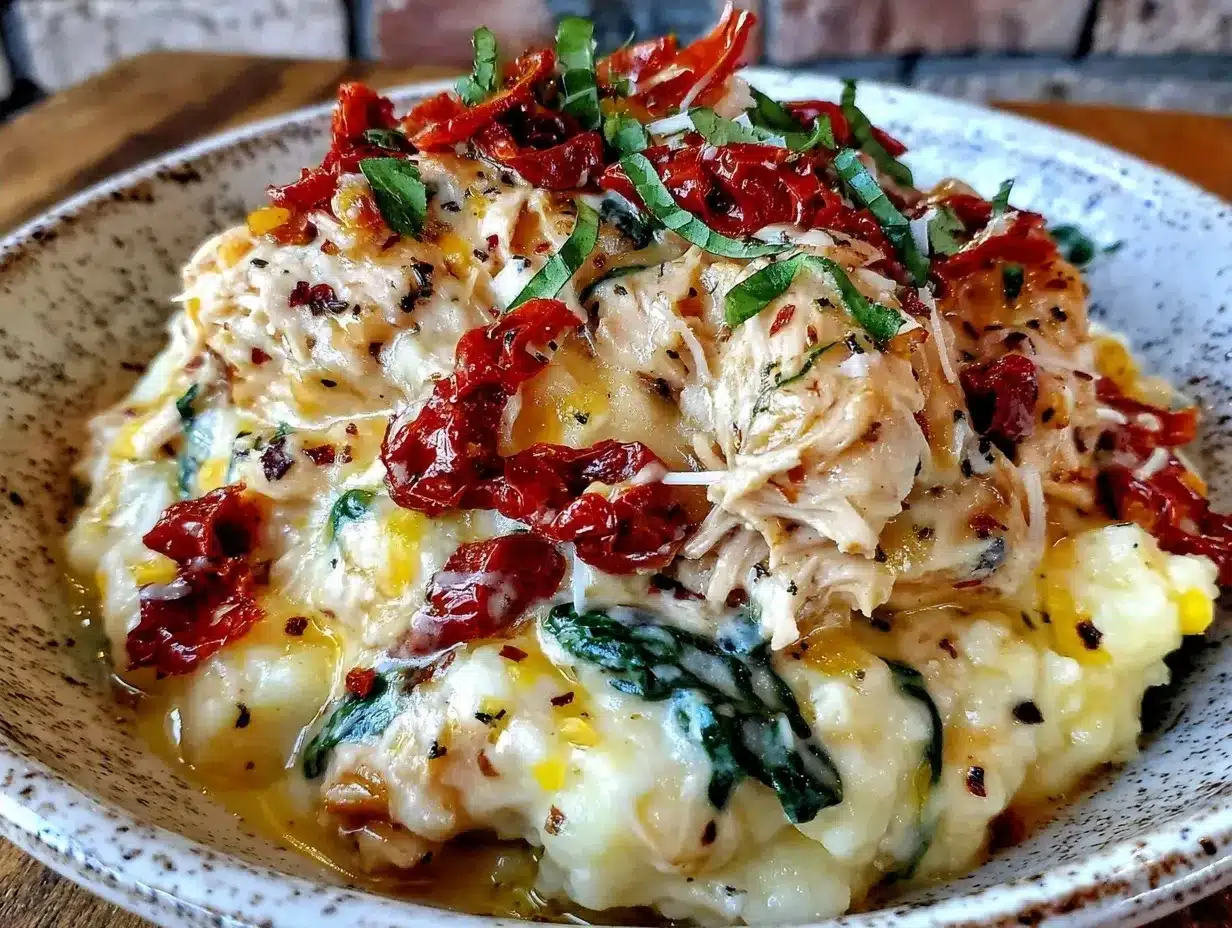
White wine (½ cup / 120ml) — This is where the magic happens. Use a dry wine like Sauvignon Blanc or Pinot Grigio. Do not use “cooking wine” from the vinegar aisle. If you don’t drink alcohol, use low-sodium chicken broth plus a teaspoon of lemon juice for acidity.
Chicken broth (1 cup / 240ml) — I always use low-sodium so I can control the saltiness. The sun-dried tomatoes can be salty, so you want to keep the broth neutral.
Heavy cream (1 cup / 240ml) — Full-fat only. Half-and-half will curdle or separate because the acid from the wine and tomatoes is too strong. Trust me on this. The fat is what makes it luxurious.
Parmesan cheese (½ cup / 50g, freshly grated) — Buy the wedge and grate it yourself. Pre-grated cheese has cellulose (anti-caking agents) that prevents it from melting smoothly. You want silky cheese, not grainy clumps.
Sun-dried tomatoes (½ cup, chopped) — I buy the ones packed in oil. Drain them well, but save a tablespoon of that oil! It’s liquid gold for flavor. Fresh tomatoes won’t work here; you need that concentrated, chewy sweetness.
Fresh spinach (3 cups, packed) — It looks like a lot, but it wilts down to nothing. It adds a vibrant green contrast to the creamy sauce. Baby spinach is tender and cooks instantly.
Red pepper flakes (½ teaspoon) — Just a pinch. It adds a subtle background heat that wakes up the palate without making it spicy.
Equipment Needed
You don’t need fancy gadgets for this. Here’s what I actually use.
Large skillet (12-inch) — I use a stainless steel skillet because it gives me a great sear on the chicken. Cast iron works too, but stainless steel makes it easier to deglaze the pan. If you only have non-stick, it’s fine, but you won’t get as deep a brown crust.
Meat mallet or rolling pin — To pound the chicken breasts. Even thickness is key for even cooking. I use a heavy rolling pin when I’m feeling lazy, and it works just as well.
Tongs — For flipping the chicken. Forks pierce the meat and let the juices escape. Tongs keep everything moist.
Microplane or box grater — For the Parmesan. A microplane makes it melt faster, but a box grater is fine if you’re in a hurry.
Wooden spoon — For stirring the sauce. It’s gentle on the pan and perfect for scraping up those browned bits from the bottom.
How to Make It: Step-by-Step
Alright, let’s make this! I’m walking you through exactly how I do it, including that one trick that changes everything.
Step 1: Prep the Chicken (5 minutes)
Pat your chicken breasts dry with paper towels. Moisture is the enemy of browning. If they’re wet, they’ll steam. Season both sides generously with salt, pepper, and Italian seasoning. Place them between two sheets of plastic wrap or in a zip-top bag and pound them to an even ½-inch thickness. This ensures they cook at the same rate and stay tender.
Step 2: Sear the Chicken (6-8 minutes)
Heat olive oil in your large skillet over medium-high heat. Once the oil shimmers, add the chicken. Don’t crowd the pan—if you have a small skillet, cook in batches. Sear for 3-4 minutes on the first side until you get a deep golden-brown crust. Flip and cook for another 3-4 minutes until cooked through (internal temperature of 165°F / 74°C). Remove the chicken to a plate and tent with foil. Don’t clean the pan. Those brown bits are flavor.
Step 3: The One Trick: Reduce the Liquids (3-4 minutes)
Lower the heat to medium. Add the minced garlic and red pepper flakes to the same pan. Sauté for 30 seconds until fragrant—be careful not to burn the garlic. Pour in the white wine. Let it simmer vigorously for 2 minutes. You’ll smell the alcohol cook off and the wine will reduce slightly. This is the critical step. If you add cream now, the sauce will be thin. By reducing the wine first, you concentrate the flavor and evaporate the water.
Add the chicken broth and the chopped sun-dried tomatoes (plus that saved oil). Let this simmer for another 2 minutes until the liquid is reduced by about a third. The sauce should look syrupy, not watery.
Step 4: Add the Cream and Cheese (2 minutes)
Reduce heat to low. Pour in the heavy cream. Stir gently and let it warm through for 1-2 minutes. Do not boil vigorously now, or the cream might separate. Stir in the freshly grated Parmesan cheese. The sauce will thicken almost instantly as the cheese melts. If it’s too thick, add a splash of broth. If it’s too thin, let it simmer for another minute.
Step 5: Wilt the Spinach and Finish (2 minutes)
Toss in the fresh spinach. It will wilt in about 60 seconds. Stir it into the sauce. Place the chicken breasts (and any juices that pooled on the plate) back into the pan. Spoon the sauce over the chicken. Let it sit for 1-2 minutes to reheat the chicken and let the flavors meld.
Step 6: Serve
Serve immediately. I love mine over crusty bread to soak up every drop of sauce, or with pasta if I’m feeling indulgent. Garnish with fresh parsley if you have it.
Expert Tips & Tricks
Here’s everything I’ve learned from making this dozens of times. These tips will save you from my mistakes.
- Pound the Chicken Evenly — This is the #1 reason chicken turns out dry. Thick ends cook faster than thin ends. Pounding them to an even thickness means they finish at the same time. It’s a small step that makes a huge difference.
- Don’t Skip the Reduction — I know it’s tempting to just dump everything in. But reducing the wine and broth first concentrates the flavor. It’s what makes the sauce taste like it simmered for hours, not minutes.
- Grate Your Own Cheese — I cannot stress this enough. Pre-grated cheese contains potato starch or cellulose to keep it from clumping. That starch prevents smooth melting. Your sauce will be grainy. Grate a wedge of Parmesan—it takes 2 minutes and makes the sauce silky.
- Low Heat for Cream — Once the cream is in, keep the heat low. High heat causes dairy to separate. You want gentle warmth, not a rolling boil.
- Save the Pan Juice — When you remove the chicken to rest, let the juices pool on the plate. Pour those juices back into the sauce at the end. It adds back flavor and moisture you lost during searing.
Common Mistakes:
- Sauce is too thin: You didn’t reduce the wine/broth enough, or you added too much pasta water later. Simmer longer on low heat.
- Sauce is grainy: Cheese was added to high heat, or you used pre-grated cheese. Remove from heat and whisk in a splash of cold cream to try and rescue it.
- Chicken is dry: You overcooked it or didn’t pound it evenly. Use a thermometer! Pull it at 160°F and let it carry-over cook to 165°F while it rests.
Variations & Substitutions
Once you’ve nailed the basic version, here’s how you can mix it up. I’ve tried all of these.
- Shrimp Version — Swap chicken for 1lb of large shrimp. Cook them for 2-3 minutes per side. They cook much faster, so remove them after 2 minutes, make the sauce, and add them back at the very end.
- Vegetarian — Use firm tofu or chickpeas instead of chicken. Pan-fry the chickpeas until crispy, then make the sauce as usual. It’s surprisingly satisfying.
- Mushroom Lover’s — Add 8oz of sliced cremini mushrooms when you sauté the garlic. Cook until they release their water and brown. Adds an earthy depth that pairs beautifully with the sun-dried tomatoes.
- Lighter Version — Use half-and-half instead of heavy cream, and reduce the Parmesan to ¼ cup. It’s thinner, but still good. I make this when I’m trying to be “healthy,” though I’ll admit the full-fat version is worth the indulgence.
- Gluten-Free — This recipe is naturally gluten-free (just check your wine and broth labels). Serve over gluten-free pasta or with roasted potatoes.
If you want to explore more chicken dishes that are easy and flavorful, you might also like my creamy white chicken chili or these fall maple dijon roasted chicken thighs for a different flavor profile.
Serving & Storage
How to Serve
I usually serve this straight from the skillet at the dinner table—it looks rustic and stays warm. But here are other ways I’ve enjoyed it:
- Over Pasta — Fettuccine or linguine is classic. Toss the pasta directly in the sauce so it gets coated.
- With Crusty Bread — A baguette is perfect for mopping up the sauce. If you’re feeling fancy, try these soft pretzel bites for a fun twist.
- With Rice or Quinoa — A neutral grain soaks up the sauce nicely.
- With Roasted Veggies — Asparagus or broccoli roasted alongside works great.
Storage Instructions
Refrigerator: Store leftovers in an airtight container for up to 3 days. The sauce will thicken in the fridge—totally normal.
Reheating: Best method: Add to a skillet with a splash of milk or broth over low heat. Stir until heated through and creamy again. Microwave method: Heat in 30-second intervals, stirring between. Add a splash of liquid if it’s too thick. Never reheat in the pot you cooked it in if it’s non-stick—it often burns on the bottom. Ask me how I know.
Freezing: Honestly, this doesn’t freeze well because of the dairy. The sauce separates when thawed. Make it fresh or store in the fridge for up to 3 days.
Nutrition Information
I’m not a nutritionist, but here’s the breakdown if you’re tracking. This is comfort food, so expect it to be rich.
Per Serving (based on 4 servings):
- Calories: 580
- Protein: 42g
- Carbs: 12g
- Fiber: 2g
- Sugar: 4g
- Fat: 38g
- Saturated Fat: 20g
- Cholesterol: 160mg
- Sodium: 650mg
It’s high in protein and calcium from the cheese, but also high in saturated fat from the cream. If you’re watching calories, the half-and-half version is a great swap. But usually? I just enjoy a reasonable portion and appreciate that it’s made with real ingredients, not processed junk.
Final Thoughts
So that’s my go-to Creamy Tuscan Chicken! I’ve probably talked your ear off at this point, but when you make a recipe this often, you have a lot to say about it. This has saved weeknight dinners more times than I can count. It’s my answer to “what’s for dinner” when I’m tired, don’t want takeout, and still want something that tastes really good. My kids are happy, my husband’s happy, and I’m happy because I’m not stressed about cooking.
Make it yours! Try different add-ins, swap in your favorite vegetables, adjust the garlic (though more is always better in my opinion). The best recipes are the ones you adapt to your family’s tastes.
If you make this, drop a comment and let me know what you think! I love hearing how recipes turn out in your kitchen. And if something doesn’t work, tell me that too—I’m here to help troubleshoot. Happy cooking! And I hope your kitchen smells half as good as mine does right now.
Frequently Asked Questions
Can I use milk instead of heavy cream?
You can, but the sauce will be much thinner and less rich. If you want to try it, use whole milk (not skim) and add 2 tablespoons of flour to thicken it. Whisk the flour into the milk before adding to the pan. I’ve done this when I ran out of cream—it works okay, just not as good as the real thing. Half-and-half is a better middle ground.
Why did my sauce get grainy/lumpy?
The heat was too high when you added the cheese, which made it seize up. Parmesan needs gentle heat. Always remove the pan from the burner before adding cheese, then stir it in off heat. If it’s already grainy, try whisking in a splash of warm cream—sometimes you can save it.
Can I use jarred sun-dried tomatoes?
Yes! In fact, I prefer the ones packed in oil. They have more flavor than the dry ones. Just drain them well before chopping so you don’t make the sauce too oily. If you use dry sun-dried tomatoes, rehydrate them in hot water for 10 minutes first, then chop.
How do I reheat leftovers without it getting dry?
Add a splash of milk or cream to a skillet, add your leftover pasta, and heat gently over low heat, stirring frequently. The extra liquid brings back the creamy texture. Microwave sort of works but tends to dry it out. If you do microwave, definitely add a splash of milk first and heat in short bursts, stirring between.
Can I double this recipe?
Absolutely! Double everything and use your biggest pot. The cooking times stay the same. I do this when I’m meal-prepping or feeding a crowd. Just make sure your skillet is big enough for the sauce—you might need to use two pans or a very large skillet.
What wine should I use?
Use a dry white wine. Sauvignon Blanc, Pinot Grigio, or Chardonnay all work well. Avoid sweet wines like Riesling unless you want a sweet sauce, which isn’t traditional for this dish. If you don’t drink alcohol, use chicken broth with a splash of white wine vinegar or lemon juice.
Pin This Recipe!
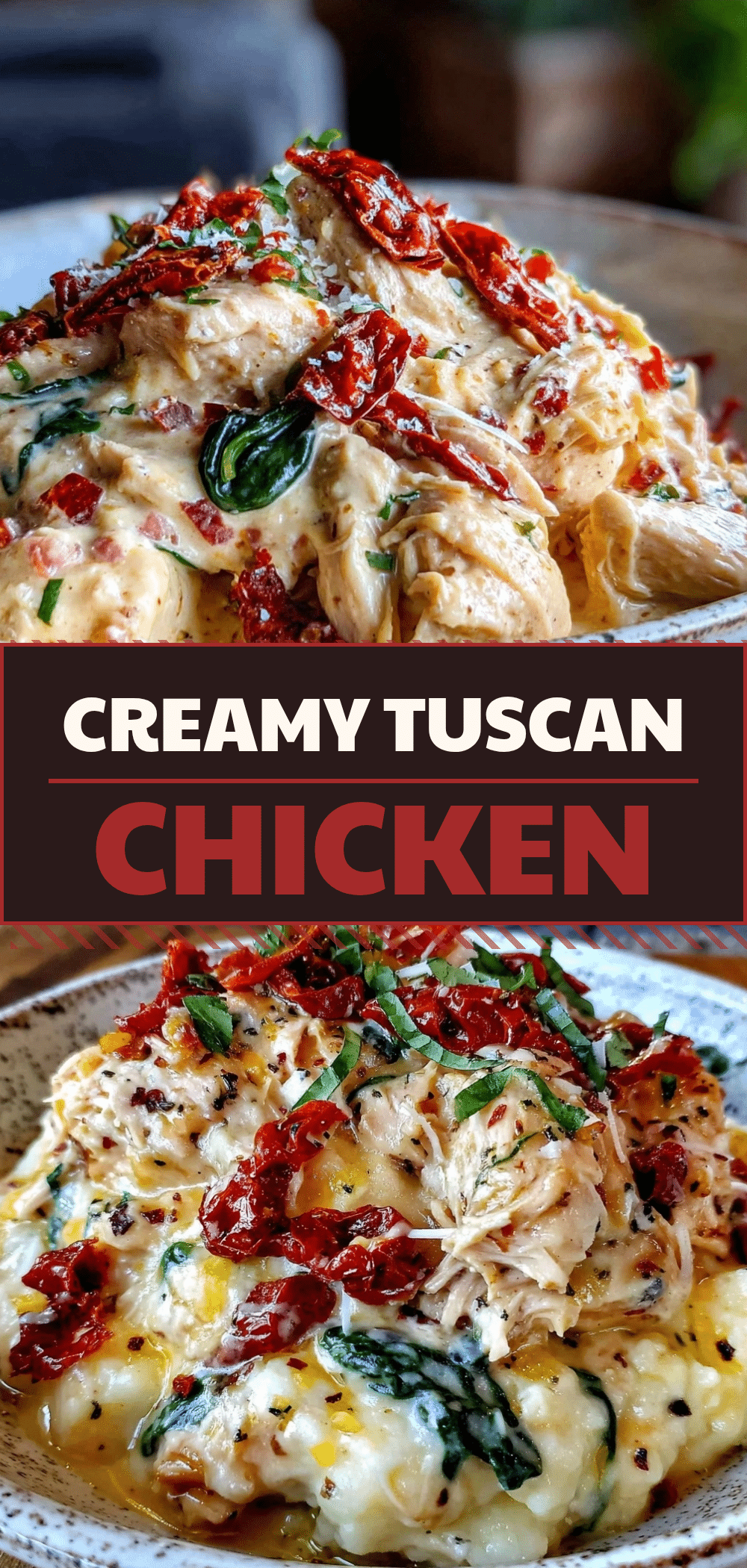

Creamy Tuscan Chicken: The 1 Trick for Perfect Pan Sauce
- Total Time: 30 minutes
- Yield: 4 servings 1x
Description
A rich, velvety one-pan chicken dinner featuring sun-dried tomatoes, spinach, and a creamy parmesan sauce. The secret to a perfect sauce that doesn’t break is reducing the wine and broth before adding the cream.
Ingredients
- 4 large boneless, skinless chicken breasts (about 1.5 lbs / 680g)
- 1 tablespoon Italian seasoning
- 4 cloves garlic, minced
- 2 tablespoons olive oil
- 1/2 cup dry white wine (e.g., Sauvignon Blanc or Pinot Grigio)
- 1 cup low-sodium chicken broth
- 1 cup heavy cream
- 1/2 cup freshly grated Parmesan cheese
- 1/2 cup sun-dried tomatoes, chopped (packed in oil, drained)
- 3 cups fresh baby spinach, packed
- 1/2 teaspoon red pepper flakes
- Salt and black pepper to taste
Instructions
- Pat chicken breasts dry and season with salt, pepper, and Italian seasoning. Pound to an even 1/2-inch thickness.
- Heat olive oil in a large skillet over medium-high heat. Sear chicken for 3-4 minutes per side until golden brown and cooked through (165°F). Remove to a plate and tent with foil.
- Reduce heat to medium. Add garlic and red pepper flakes to the pan; sauté for 30 seconds until fragrant.
- Pour in white wine and simmer vigorously for 2 minutes to reduce.
- Add chicken broth and sun-dried tomatoes (plus 1 tablespoon of the oil from the jar). Simmer for another 2 minutes until liquid is reduced by about a third.
- Reduce heat to low. Stir in heavy cream and let warm through for 1-2 minutes without boiling.
- Stir in Parmesan cheese until melted and sauce is thickened.
- Add spinach and stir until wilted (about 60 seconds).
- Return chicken to the pan along with any accumulated juices. Spoon sauce over chicken and let sit for 1-2 minutes to reheat.
- Serve immediately over pasta, bread, or rice.
Notes
The key to this recipe is reducing the wine and broth before adding the cream to prevent the sauce from breaking. Pound the chicken evenly for consistent cooking. Use freshly grated Parmesan, as pre-grated cheese contains anti-caking agents that can make the sauce grainy. Keep heat low when adding cream to avoid separation.
- Prep Time: 5 minutes
- Cook Time: 25 minutes
- Category: Main Course
- Cuisine: Italian
Nutrition
- Serving Size: 1 chicken breast wit
- Calories: 580
- Sugar: 4
- Sodium: 650
- Fat: 38
- Saturated Fat: 20
- Carbohydrates: 12
- Fiber: 2
- Protein: 42
Keywords: creamy tuscan chicken, one pan dinner, chicken breast recipes, easy weeknight dinner, sun-dried tomato sauce, parmesan chicken